Discovering Move-in Ready Granny Pods for Sale in the United States: Your Complete Guide to Accessory Dwelling Units
Facts:
- Modular construction accelerates housing availability.
- Demand for independent elderly care solutions is rapidly increasing in the US.
Embracing Independent Living with Move-in Ready Granny Pods
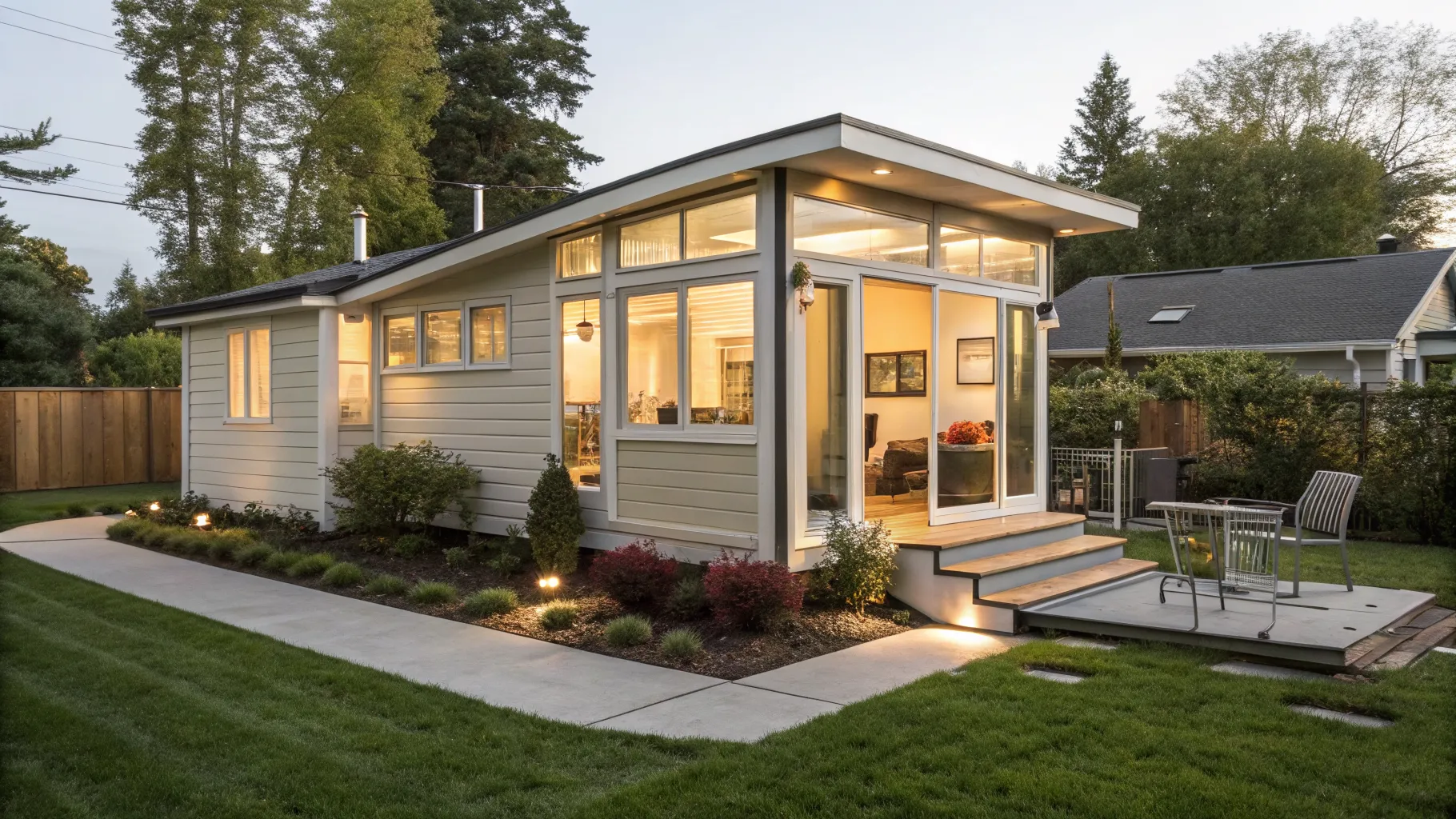
The concept of multi-generational living is undergoing a significant transformation in the United States, with a growing emphasis on independence and proximity. For many families, the ideal solution lies in acquiring move-in ready granny pods, often referred to as Accessory Dwelling Units (ADUs). These self-contained living spaces provide a perfect balance of privacy for elderly relatives or young adults, while keeping them close to family support. The market for these innovative homes is expanding, offering diverse designs and functionalities tailored to various needs and preferences across the nation.
Understanding the Appeal of Granny Pods and ADUs
Granny pods, or Accessory Dwelling Units, represent a burgeoning trend in residential housing, providing flexible living arrangements that cater to a multitude of needs. These units are typically smaller, standalone homes built on the same property as a primary residence, designed to house family members while maintaining their autonomy. The "move-in ready" aspect is particularly attractive, as it minimizes construction timelines and simplifies the entire process for homeowners. This allows for quicker occupancy, which is crucial for families in urgent need of elderly care solutions or those looking to provide immediate housing for college graduates returning home. The benefits extend beyond just proximity; they offer a cost-effective alternative to traditional senior living facilities and foster stronger family bonds.
Types of Move-in Ready Granny Pods Available
The market for granny pods is diverse, offering a range of styles and construction methods. Prefabricated granny pods are a popular choice due to their streamlined manufacturing process, which often occurs off-site in a controlled factory environment. These units are then transported to the property and assembled, significantly reducing on-site disruption and construction time. Other options include modular units, which are constructed in sections and assembled on-site, providing greater customization. Each type offers distinct advantages, from the rapid deployment of prefabricated granny pods to the design flexibility of modular systems. Buyers looking for move-in ready ADUs can explore various floor plans, finishes, and accessibility features to ensure the unit meets specific family requirements.
Navigating Regulations and Zoning for Accessory Dwelling Units
While the concept of adding an ADU to your property is appealing, understanding local regulations and zoning laws is paramount. These rules vary significantly from state to state and even from county to county within the United States. Factors such as lot size, setback requirements, maximum height, and specific utility hookup regulations all play a crucial role in determining the feasibility of installing a granny pod. Engaging with local planning departments early in the process is highly recommended to ensure compliance and avoid potential delays or costly modifications. Many move-in ready granny pods providers offer assistance with navigating these complex regulatory landscapes, helping homeowners obtain the necessary permits for their backyard homes.
Cost-Benefit Analysis of Investing in Granny Pods
The financial implications of purchasing and installing move-in ready granny pods are an important consideration for many families. While the upfront cost can vary widely based on size, features, and level of customization, the long-term benefits often outweigh the initial investment. Compared to the escalating costs of assisted living facilities or nursing homes, an ADU can provide a more affordable and sustainable elderly care solution. Furthermore, Accessory Dwelling Units can add significant value to the primary property, acting as a valuable asset for future resale. Many financial institutions now offer specialized loans for granny pods, making them more accessible to a broader range of homeowners.
Choosing the Right Move-in Ready ADU for Your Family
Selecting the perfect granny pod involves careful consideration of several factors beyond just aesthetics. Accessibility features are critical, especially if the unit is intended for elderly residents. This includes wider doorways, roll-in showers, grab bars, and ramps. Energy efficiency is another key aspect, contributing to lower utility bills and a more comfortable living environment. Modern prefabricated granny pods often come equipped with advanced insulation, energy-efficient windows, and smart home technologies. The overall design should also complement the existing property and blend seamlessly into the neighborhood. Taking the time to research different manufacturers and review their offerings ensures that the chosen move-in ready granny pod meets both current and future needs.
Practical Advice for Granny Pod Installation
- Site Preparation: Ensure your chosen site is level, has adequate drainage, and is accessible for construction and utility connections. Proper ground preparation is essential for the longevity and stability of your move-in ready ADU.
- Utility Connections: Verify that your property has sufficient capacity for additional water, sewer, electrical, and internet connections. This often requires professional assessment and may involve upgrades to existing infrastructure for the new granny pod.
- Foundation Options: Explore various foundation types suitable for prefabricated granny pods, such as concrete slabs, pier and beam, or crawl space foundations, considering local soil conditions and building codes.
- Permitting Process: Begin the permitting process well in advance, as it can be time-consuming. Gather all required blueprints, site plans, and documentation to streamline approval for your Accessory Dwelling Unit.
- Professional Installation: Although many granny pods are designed for ease of installation, hiring experienced contractors ensures proper setup, compliance with codes, and guarantees the structural integrity of your new backyard home.
Frequently Asked Questions
What is the average cost of move-in ready granny pods?
The cost of move-in ready granny pods can range significantly, typically from $50,000 to over $200,000, depending on size, features, finishes, and installation complexities. This often includes the unit itself, transportation, and basic hookups, but not always site preparation or extensive utility upgrades.
Do granny pods increase property value?
Yes, well-designed and properly permitted Accessory Dwelling Units can significantly increase property value. They offer additional living space and flexibility, making the property more attractive to potential buyers, especially those seeking multi-generational living or rental income opportunities.
Are prefabricated granny pods durable?
Prefabricated granny pods are built in factory-controlled environments, often using high-quality materials and stringent quality control standards. This can result in a more durable and consistently built structure than traditional on-site construction, designed to withstand various weather conditions.
What are the common uses for ADUs besides elder care?
Beyond providing elderly care solutions, Accessory Dwelling Units are used as guest houses, home offices, rental units for passive income, studios for artists, or as starter homes for adult children. Their versatility makes them a valuable asset for many different family situations.
References
- National Association of Home Builders – ADU Trends Report.
- U.S. Department of Housing and Urban Development – Accessory Dwelling Units Guide.
- Modular Building Institute – Industry Statistics.
- American Association of Retired Persons (AARP) – Livable Communities Research.
- Local Government Planning Resources for Zoning Ordinances.