Professional Landscaping Cost Guide
Investing in professional landscaping can significantly enhance your property's curb appeal and functionality. However, understanding the potential costs can feel overwhelming due to the wide range of variables involved. From simple garden updates to complete outdoor overhauls, the final price tag is influenced by project scope, materials, labor, and location. This guide will help you navigate the key components that contribute to the overall cost of a professional landscaping project.
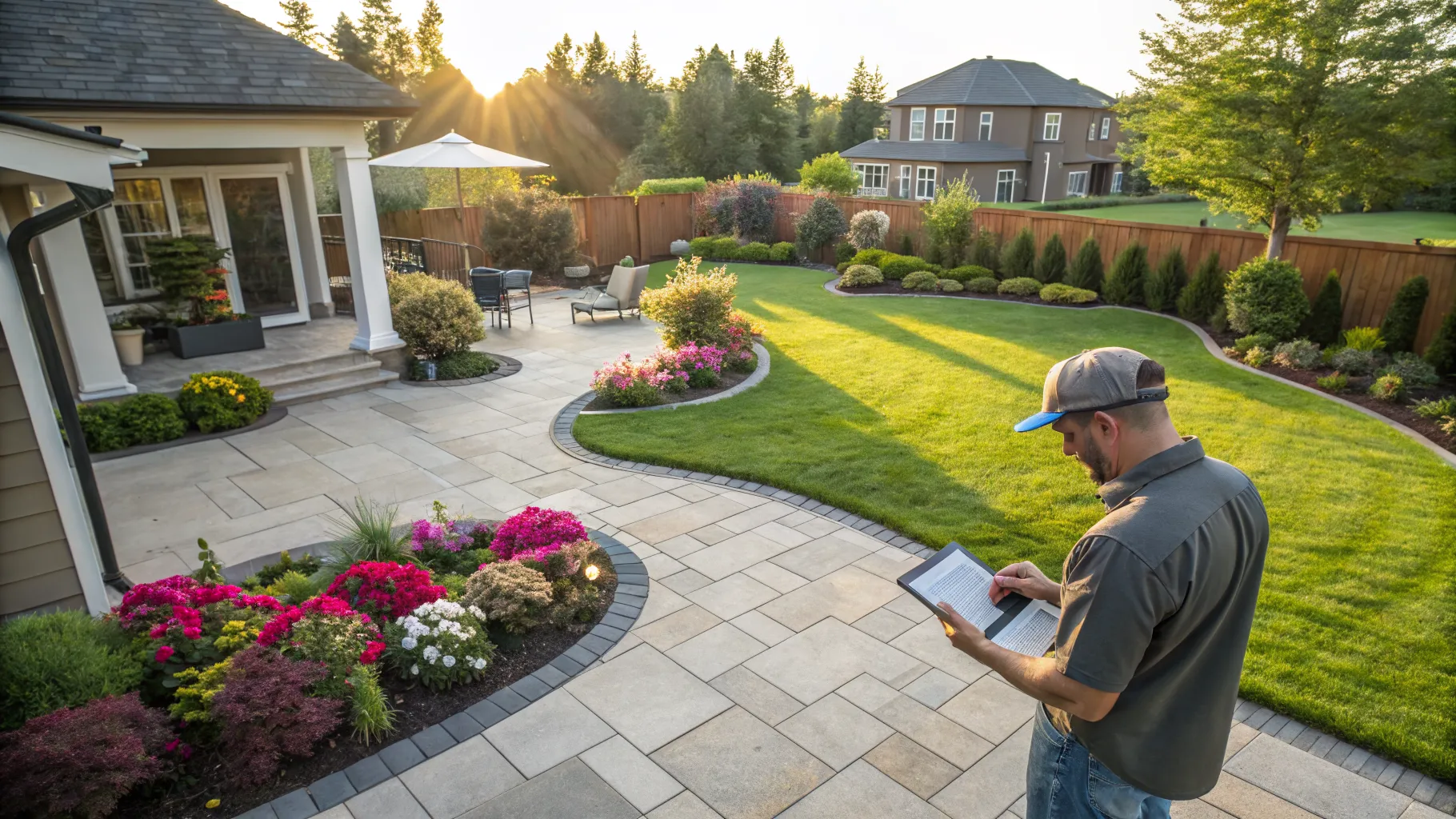
Key Factors Influencing Landscaping Costs
The total cost of any landscaping project is determined by a combination of factors. The most significant is the size and scope of the work. A small front yard refresh will naturally cost much less than a complete backyard redesign that includes hardscaping and new plantings. The complexity of the design, such as intricate patterns for a patio or a multi-level garden, will also increase labor and material costs.
Your geographic location plays a crucial role as well. Labor rates and material prices can vary substantially from one region to another. A project in a major metropolitan area with a high cost of living will typically be more expensive than the same project in a smaller town. The existing condition of your yard, such as poor soil quality or a steep slope that requires grading, can also add to the final bill.
The Role of Landscape Design
For larger or more complex projects, hiring a landscape designer or a landscape architect is a common first step. The design phase itself is a separate cost, often ranging from a few hundred to several thousand dollars. This fee typically covers an initial consultation, site analysis, soil testing, and the creation of detailed plans or blueprints for your outdoor space.
While it is an upfront expense, a professional design can ultimately save you money and prevent costly mistakes. A well-thought-out plan ensures a cohesive look, proper plant selection for your climate, and efficient use of space. The plan acts as a roadmap for the installation crew, clarifying material specifications and placement, which helps the project run smoothly and stay on budget.
Breaking Down Hardscaping Expenses
Hardscaping refers to the non-living elements of a landscape, such as patios, walkways, retaining walls, and decks. These features often form the foundation of an outdoor living area and typically represent a significant portion of the budget. The cost is heavily influenced by the materials you choose and the amount of labor required for installation.
For example, a simple poured concrete patio is one of the more affordable options. Interlocking concrete pavers offer more design flexibility but come at a higher price point. Natural stone, such as flagstone or slate, is usually the most expensive choice due to material cost and the skilled labor needed for proper installation. The same principle applies to walkways and retaining walls, where choices range from simple treated wood to elaborate natural stone systems.
Understanding Softscaping and Planting Costs
Softscaping involves all the living elements of your landscape, including soil, grass, flowers, shrubs, and trees. The initial step often involves preparing the site, which may include clearing existing vegetation, amending the soil with compost, and grading the land for proper drainage. The cost for this preparation work depends on the size of the area and its current condition.
When it comes to plants, the price can vary dramatically based on the type, size, and maturity. Small perennial flowers or groundcovers are relatively inexpensive, while planting large, mature trees is a significant investment. Installing a new lawn also presents options; laying sod provides instant results but costs more than planting grass seed, which requires more time and care to establish.
Additional Features and Their Price Tags
Many homeowners choose to include extra features to enhance the usability and ambiance of their outdoor space. These additions can increase the overall project cost but also add long-term value and enjoyment. It is helpful to consider which features are most important to you and budget for them accordingly.
- Outdoor Lighting: Low-voltage LED lighting systems improve safety and allow you to enjoy your landscape after dark. Costs depend on the number and quality of fixtures.
- Irrigation Systems: An automatic sprinkler or drip irrigation system ensures your plants receive consistent water. The price is based on the lawn size and number of watering zones.
- Fencing: Fencing provides privacy and security. The cost is determined by the linear footage and the material chosen, such as wood, vinyl, or aluminum.
- Water Features: A simple, self-contained fountain can be an affordable accent, while a custom-built pond or waterfall is a much larger investment.
- Fire Pits: Options range from inexpensive, portable metal fire pits to permanent, custom-built structures made of stone or brick.
Labor Costs and Finding a Professional
Labor is a major component of any landscaping budget, often accounting for a large percentage of the total expense. Some companies charge by the hour, but for large installation projects, it is more common to receive a single quote that covers the entire job, including labor, materials, and equipment rental. This project-based pricing provides a clear understanding of the total financial commitment.
When selecting a landscaping company, it is wise to do your research. Obtain at least three detailed quotes from different reputable professionals in your area. Check for proper licensing and insurance, and ask to see a portfolio of their previous work. A clear, written contract is essential; it should outline the full scope of work, a detailed list of materials, the payment schedule, and an estimated timeline for completion.