Discovering Value: Police Impound Pickup Trucks for Sale and Government Vehicle Auctions
Fast Facts:
- Impounded vehicles often offer significant value.
- The volume of vehicles available at government vehicle auctions is steadily increasing for value-seeking buyers.
Navigating the World of Police Impound Pickup Trucks for Sale
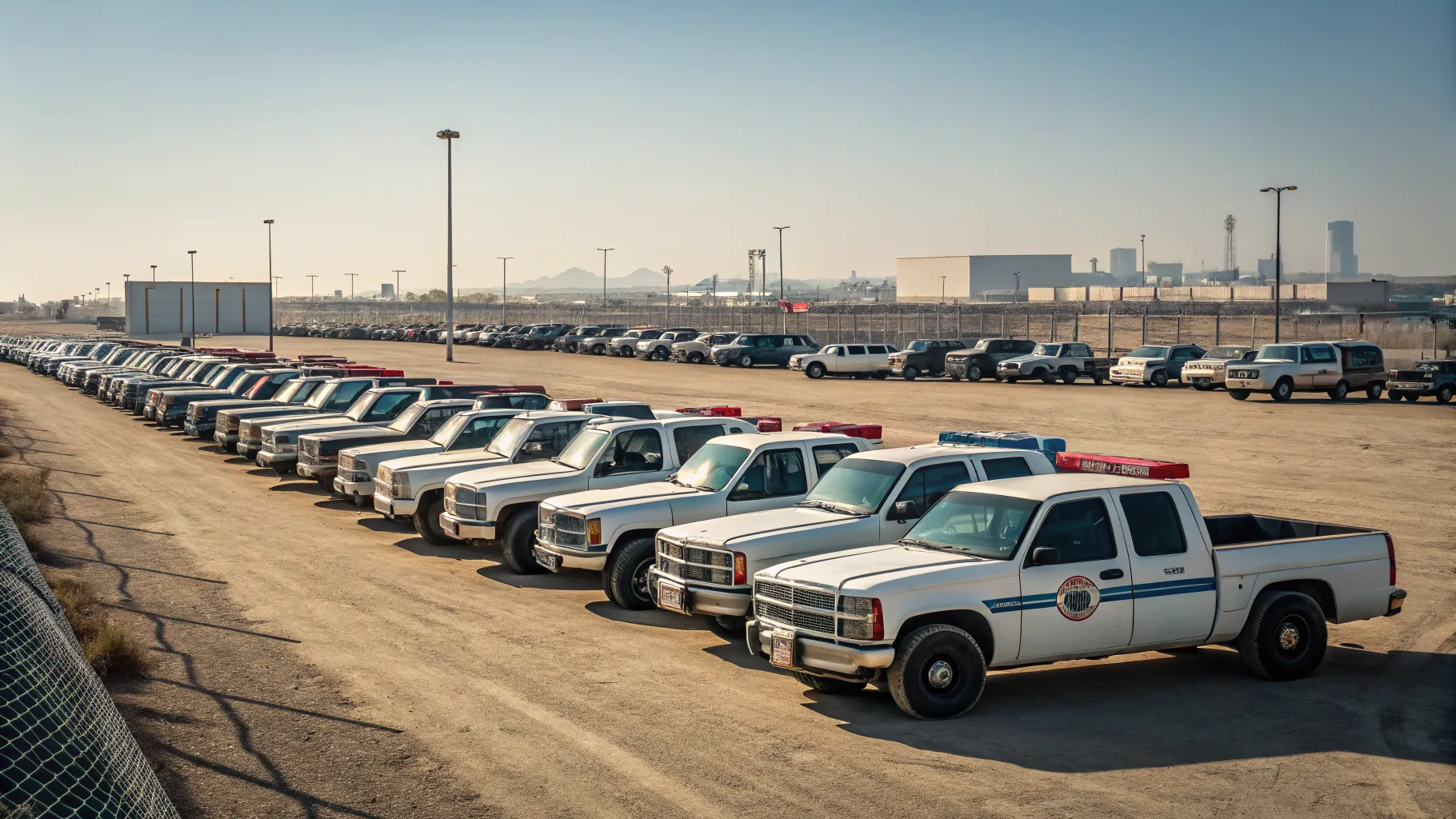
The market for impounded pickup trucks presents a unique opportunity for individuals and businesses seeking vehicles at competitive prices. These trucks, often seized due to legal infractions, abandonment, or other regulatory reasons, are subsequently put up for sale through various channels, predominantly police impound sales and public auctions. Understanding the process of acquiring these vehicles, from initial discovery to final purchase, is crucial for securing a valuable asset and requires careful navigation through various legal and logistical aspects.
Understanding the Sources of Seized Vehicle Sales
Vehicles become available through seized vehicle sales for a multitude of reasons, ranging from outstanding parking tickets and unpaid loans to more serious criminal offenses or abandonment. Law enforcement agencies, including local police departments, sheriff's offices, and even federal agencies, are responsible for impounding these vehicles. Once impounded, these agencies follow a specific legal protocol to determine ownership, attempt notification to registered owners, and eventually process the vehicle for public disposition if unclaimed or forfeited. This process ensures that all legal avenues are exhausted before the vehicle is put up for sale, making these police impound sales a legitimate, albeit often complex, source for used vehicles.
The Auction Process: A Guide to Government Vehicle Auctions
Participating in government vehicle auctions requires a clear understanding of the bidding process, whether online or in-person. These auctions are the primary method through which impounded pickup trucks are sold to the public. Prospective buyers typically need to register in advance, providing identification and sometimes a deposit. Prior to the auction, viewing periods are usually scheduled, allowing potential bidders to inspect the vehicles. This inspection is critical as most sales are 'as-is, where-is' with no warranties. Online auctions have expanded accessibility, enabling remote bidding, but still necessitate diligence in reviewing provided information and images. Both formats of police impound sales demand research into auction house rules, payment methods, and vehicle pickup procedures to ensure a smooth transaction.
Online Impound Auctions
Online platforms specializing in seized vehicle sales have revolutionized access to impounded vehicles. These sites often host detailed listings, including photos, VINs, and sometimes even basic condition reports. Buyers from anywhere can participate, but it's crucial to understand the platform's specific fees, bidding increments, and payment deadlines. Due diligence, such as running a VIN check, becomes even more paramount when a physical inspection isn't practical or possible, providing insights into the truck's history before committing to a bid.
Physical Impound Lot Viewings
For those interested in buying impound trucks, physical viewings at the impound lot or auction facility offer an invaluable opportunity. This allows prospective buyers to personally assess the vehicle's condition, check for major damage, inspect the interior, and listen to the engine if possible. During these viewings, it's advisable to bring a mechanic or someone knowledgeable about vehicle mechanics to help identify potential issues that might not be immediately apparent. This hands-on inspection is often the best way to mitigate risks associated with 'as-is' purchases from police impound sales.
Key Considerations When Buying Impound Trucks
When considering buying impound trucks, potential buyers must weigh the attractive pricing against inherent risks. The history of an impounded vehicle can be opaque, and it's not uncommon for these trucks to have undisclosed mechanical issues, body damage, or even salvage titles. It's essential to conduct thorough research, including VIN checks, to uncover any red flags. A deep-dive text-based comparison of options reveals that while private sales or dealership purchases might offer more transparency and warranties, the significant savings from government vehicle auctions often justify the increased due diligence required. Buyers must assess their tolerance for risk and their capacity to handle potential repairs.
Legalities and Documentation for Police Impound Sales
Navigating the legalities and ensuring proper documentation are critical steps after purchasing from police impound sales. The process for title transfer can vary by state and the type of seizure. Buyers must ensure they receive a clear title, a bill of sale, and any other necessary documents to register the vehicle in their name. In some cases, a lien release might be required, especially if the vehicle was impounded due to outstanding debts. Understanding these legal requirements beforehand can prevent future complications and ensures that the newly acquired impounded pickup trucks can be legally driven and owned without issue.
Maximizing Your Chances: Actionable Advice for Securing a Great Deal
Securing a great deal on police impound sales requires a strategic approach and careful execution. While the allure of low prices is strong, smart buyers employ specific tactics to ensure they walk away with a valuable asset without overpaying or encountering unforeseen problems.
- Research Thoroughly: Investigate the vehicle's history using VIN. Check for recalls, accidents, and previous ownership data to gain a comprehensive understanding of its past. This insight is crucial for making an informed decision about impounded pickup trucks.
- Set a Budget: Determine your maximum bid including potential repair costs, auction fees, and transportation expenses. Stick to this budget rigidly to avoid emotional overbidding in government vehicle auctions.
- Inspect Critically: If possible, physically inspect the impounded pickup trucks before bidding. Look for rust, fluid leaks, tire wear, and test basic functions. A pre-purchase inspection can save significant money down the line.
- Understand Terms: Be fully aware of the auction's terms and conditions, payment deadlines, and pick-up procedures. Failure to comply can result in forfeited bids or additional fees in seized vehicle sales.
- Be Patient: The best deals often come to those who wait for the right opportunity and don't rush into bidding wars. There are many police impound sales regularly, so if one doesn't work out, another opportunity will arise.
Frequently Asked Questions
Are impounded pickup trucks always cheaper than used trucks from dealerships?
While impounded pickup trucks often sell for less than comparable models at dealerships, they typically come with higher risks due to unknown history and lack of warranties. The 'as-is' nature of police impound sales means you might save on the purchase price but could face higher repair costs.
What paperwork do I need for police impound sales?
You will typically need a government-issued ID for registration, and upon purchase, you will receive a bill of sale and a vehicle title. Ensure the title is clear and transferable. Depending on the state and auction rules, additional documentation or fees may apply for buying impound trucks.
References
- State Department of Motor Vehicles Guidelines on Vehicle Titles and Transfers
- National Auto Auction Association Best Practices for Public Sales
- Consumer Reports on Used Vehicle Market Buying Guide