Navigating the North Atlantic: A Guide to Iceland and Greenland Cruises
Cruises to Iceland and Greenland offer a unique opportunity to explore some of the planet's most dramatic and pristine landscapes. These voyages typically combine the vibrant culture and geothermal wonders of Iceland with the immense glaciers, icebergs, and Inuit heritage of Greenland. Whether you're seeking active exploration or scenic relaxation, understanding the various aspects of these cruises is key to planning your journey.
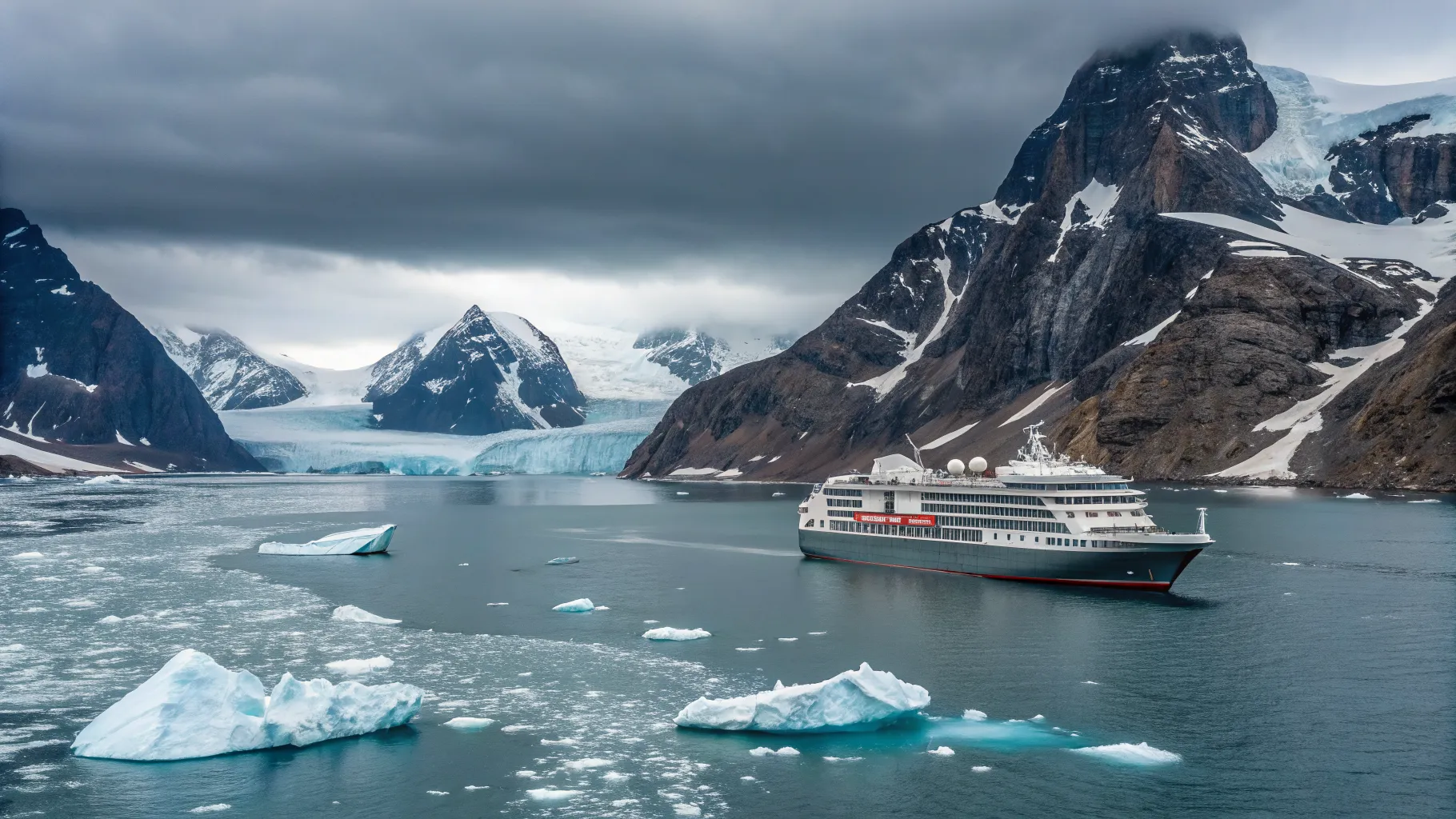
The Appeal of Arctic Cruise Destinations
Iceland and Greenland, while geographically close, offer distinct experiences that captivate travelers. Iceland, known as the 'Land of Fire and Ice,' boasts active volcanoes, vast lava fields, natural hot springs, and impressive waterfalls. Its capital, Reykjavik, is a hub of culture and modern Scandinavian design.
Greenland, the world's largest island, presents a landscape dominated by its massive ice sheet, towering icebergs, and remote Arctic settlements. Cruises to Greenland often focus on exploring its spectacular fjords, witnessing calving glaciers, and learning about the resilient Inuit communities that call this challenging environment home. Together, these destinations provide a comprehensive look at the North Atlantic's natural grandeur.
Types of Cruises: Expedition vs. Traditional
When considering a cruise to Iceland and Greenland, it's helpful to differentiate between expedition cruises and more traditional voyages. Expedition cruises typically utilize smaller, purpose-built ships designed to navigate remote areas, often equipped with Zodiacs for shore landings and a team of naturalists and experts on board. These focus heavily on immersive experiences, wildlife viewing, and educational programs.
Traditional cruises, on the other hand, tend to operate larger ships with more amenities and entertainment options. While they still offer breathtaking scenery and port calls in major towns, the emphasis might be more on comfort and leisure at sea. Both types of cruises can offer a memorable experience, but your choice will depend on your desired level of adventure and exploration.
Optimal Timing for Your Arctic Journey
The cruise season for Iceland and Greenland is relatively short, primarily running from June through September. This period offers the mildest weather, longest daylight hours, and the best conditions for navigating the ice-choked waters, especially in Greenland. Each month within this window offers subtle differences:
- June: Early season, still some snow on the ground in parts, and the midnight sun is most prominent. Fewer crowds.
- July and August: Peak season, warmest temperatures, most accessible areas, and peak wildlife viewing opportunities. This is also when most cruise options are available.
- September: Shoulder season, cooler temperatures, possibility of seeing the Northern Lights (especially later in the month), and autumnal colors begin to appear.
Deciding when to travel often depends on what you hope to experience, from wildlife encounters to specific natural phenomena.
Exploring Key Destinations and Natural Wonders
A typical Iceland and Greenland cruise itinerary will feature a mix of iconic natural sites and cultural experiences. In Iceland, common stops include Reykjavik, with its vibrant arts scene and proximity to the Golden Circle attractions (Thingvellir National Park, Gullfoss waterfall, Geysir geothermal area). Other Icelandic ports might offer access to the Snaefellsnes Peninsula or the volcanic landscapes of the south coast.
Greenland's highlights often center around its stunning fjords and glaciers. Ilulissat Icefjord, a UNESCO World Heritage site, is a popular stop, offering incredible views of massive icebergs calved from the Sermeq Kujalleq glacier. Nuuk, the capital, provides insights into Greenlandic culture, while smaller settlements like Qaqortoq showcase colorful houses and local life. These destinations offer unparalleled photo opportunities and a deep connection with nature.
Understanding Inclusions and Exclusions in Cruise Fares
When researching Iceland and Greenland cruises, it's important to carefully review what is included in the advertised fare. Many cruises will include accommodation, meals, and basic onboard entertainment. However, expedition cruises often include guided excursions, lectures, and Zodiac landings as part of their package, which can add significant value.
Typically excluded from the base fare are international flights, pre- and post-cruise accommodations, gratuities, alcoholic beverages, specialty dining, personal expenses, and travel insurance. Some cruises may also charge extra for specific shore excursions or optional activities like kayaking. Always read the fine print to have a clear understanding of the total cost of your trip.
Responsible Travel in Fragile Arctic Environments
Visiting the delicate ecosystems of Iceland and Greenland comes with a responsibility to minimize your impact. Cruise operators and passengers alike are encouraged to adhere to strict environmental guidelines, such as proper waste disposal, avoiding disturbance to wildlife, and respecting local cultures. Many expedition cruise lines emphasize sustainability and offer educational programs on Arctic conservation.
Travelers should choose operators committed to responsible tourism practices. This not only helps preserve these pristine environments for future generations but also ensures a more authentic and respectful experience for everyone involved. Being mindful of your footprint is an integral part of an Arctic adventure.