Navigating Sales: A Guide to Finding Artisan Denim Jeans in the United States
Artisan denim represents a commitment to traditional manufacturing techniques, high-quality materials, and often a more sustainable production process than mass-market jeans. For many enthusiasts, the appeal lies in the unique texture, the way the denim ages, and the story behind each pair. While these jeans typically come with a higher price point, finding them on sale in the United States is possible if one knows where to look and what to expect.
Understanding Artisan Denim
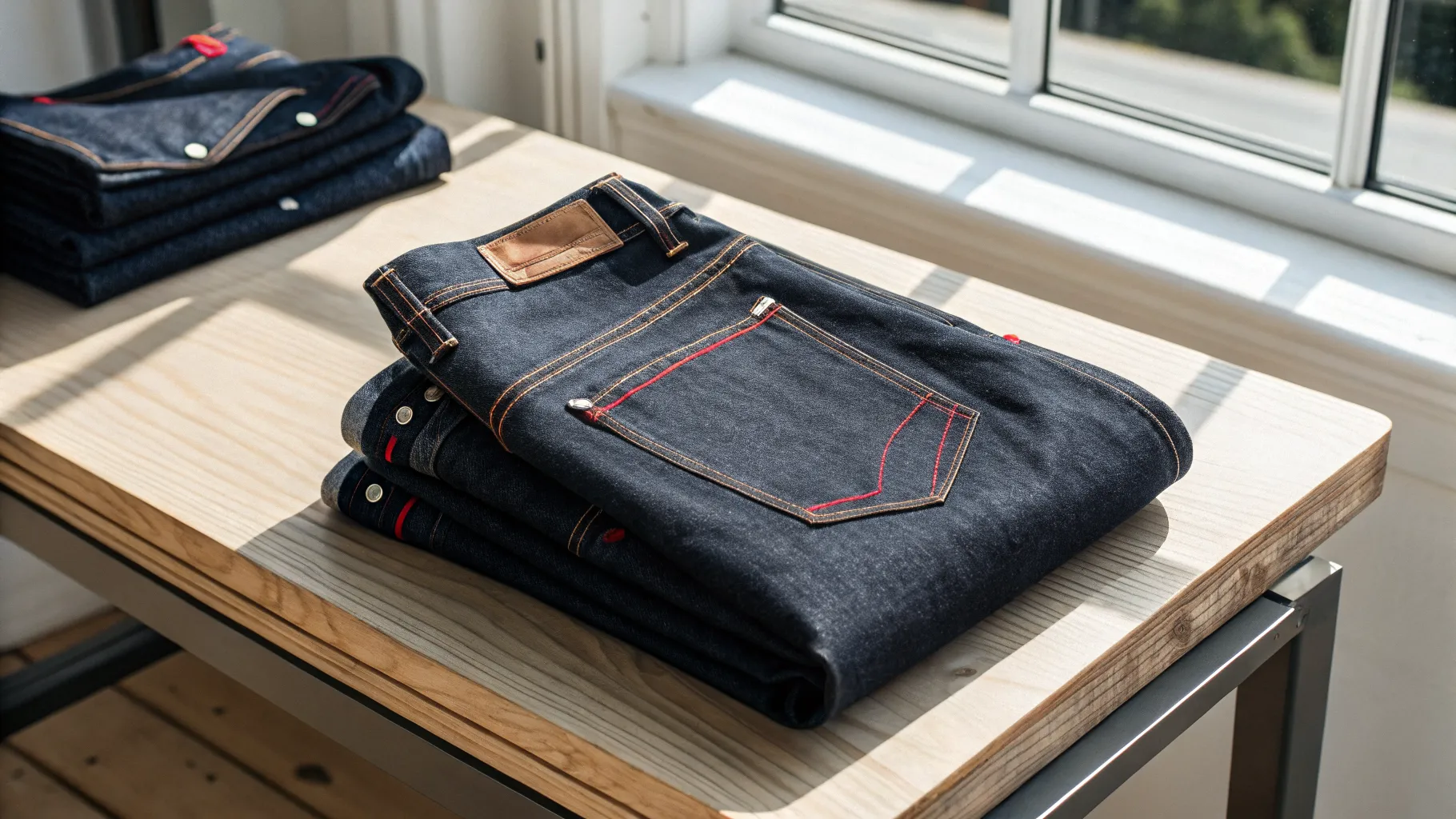
Artisan denim distinguishes itself through meticulous craftsmanship and a focus on premium materials. Unlike conventional denim, which is often mass-produced using automated processes, artisan denim typically involves smaller batches, traditional looms, and a hands-on approach. Key characteristics often include selvedge denim, which features a self-finished edge that prevents fraying, and can often be identified by a colored line along the outseam.
Moreover, the denim itself is frequently made from high-quality cotton, sometimes organic or specifically sourced for its unique properties. Dyes, such as natural indigo, may be used, contributing to a rich color that develops a distinctive fade pattern over time. The hardware, stitching, and overall construction are given careful attention, contributing to the garment's durability and aesthetic appeal.
Why Artisan Denim Commands a Higher Price
The premium price tag associated with artisan denim is a reflection of several factors beyond just the brand name. The use of high-quality raw materials, such as long-staple cotton or specialty blends, contributes significantly to the cost. Traditional weaving methods, particularly on vintage shuttle looms used for selvedge denim, are slower and less efficient than modern industrial processes, increasing production time and labor.
Furthermore, artisan brands often prioritize ethical labor practices and sustainable manufacturing, which can incur higher operational costs. Each pair of jeans is often handled by skilled craftspeople who take pride in their work, ensuring superior construction and attention to detail. This investment in materials, labor, and ethical production translates into a more durable, unique, and long-lasting garment that offers excellent value over its lifespan.
The Concept of 'Sale' in Artisan Denim
For artisan denim, the term 'sale' often carries a different meaning than with fast fashion. Deep, widespread discounts are less common due to the inherent value and lower production volumes. Instead, sales might involve modest seasonal markdowns, special promotions for past-season styles, or opportunities to purchase 'seconds' with minor imperfections that do not affect wearability. These smaller discounts still provide a valuable chance to acquire high-quality denim at a more accessible price point.
Brands may also offer sales to clear out inventory before new collections arrive, or during specific holiday periods. It's important for buyers to manage expectations, as finding artisan denim at heavily reduced prices is rare. The 'sale' might represent a 10-25% reduction rather than a 50% or greater markdown typical of other retail segments.
Where to Look for Artisan Denim Sales
Finding artisan denim jeans on sale in the United States requires knowing the typical avenues. Direct-to-consumer websites of artisan denim brands are often a primary source. These brands may announce sales via their newsletters or social media, offering exclusive access or early notifications to their loyal customers. Subscribing to these updates can be an effective strategy.
Specialty denim boutiques and high-end menswear stores, both physical and online, also carry artisan denim. These retailers might have their own seasonal sales, clearance events, or end-of-stock promotions. Additionally, some brands participate in pop-up shops or sample sales in major cities, offering opportunities to purchase items that may be discounted due to being samples, prototypes, or having slight cosmetic flaws. Online forums and communities dedicated to raw denim also sometimes share information about ongoing sales.
Key Considerations When Buying Artisan Denim on Sale
When purchasing artisan denim on sale, several factors warrant careful attention to ensure a satisfactory investment. Firstly, understand the specific fabric details. Denim weight, whether it's sanforized (preshrunk) or unsanforized, and the blend of cotton can significantly impact fit and how the jeans will age. Researching these details beforehand can prevent surprises.
Secondly, pay close attention to sizing. Artisan denim sizing can vary significantly between brands, and sometimes even within different cuts from the same brand. Since sale items may have more restrictive return policies, confirming measurements against a pair of well-fitting jeans is crucial. Finally, inspect images thoroughly if buying online or the actual garment if in person, especially if the sale is due to minor imperfections, to ensure any flaws are acceptable.
Distinguishing Quality: What to Look For
Even when on sale, the core qualities of artisan denim should still be present. Here are some indicators of high-quality construction:
- Selvedge ID: Look for the clean, finished edge along the outseam, often with a colored thread (e.g., redline selvedge), which signifies denim woven on traditional shuttle looms.
- Stitching: Examine the uniformity and strength of the stitching. Double-stitching in high-stress areas like the crotch and pockets is a good sign, as is chain-stitched hems.
- Hardware: Quality hardware includes durable copper or brass rivets and sturdy buttons, often featuring custom branding. Check that they are securely fastened.
- Fabric Hand: The feel of the denim itself. High-quality raw denim will often feel substantial, sometimes stiff, and have a unique texture that signifies its character.
- Fit and Cut: While subjective, consider how the jeans are cut and tailored. Artisan brands often offer distinct fits designed for specific body types or stylistic preferences.
Caring for Your Artisan Denim
Proper care is essential to maximize the lifespan and aesthetic evolution of artisan denim, particularly as it represents a significant investment even when purchased on sale. Many enthusiasts advocate for minimal washing, especially with raw denim, to allow for unique fading patterns to develop. When washing is necessary, cold water, a gentle cycle, and air drying are generally recommended to preserve the fabric's integrity and prevent excessive shrinkage or dye loss.
Turning jeans inside out before washing can also help protect the outer surface. Avoid harsh detergents and machine drying, which can be detrimental to the denim and its hardware. By following these care guidelines, your artisan denim jeans can develop a personalized character over many years, proving their durability and value well beyond the initial purchase.