Navigating the High-End Gaming PC Price Landscape
Facts:
- Average top-tier gaming rig exceeds $2,500.
- Demand for high-performance GPUs surged for premium gaming experience.
Understanding the True Cost of a High-End Gaming PC
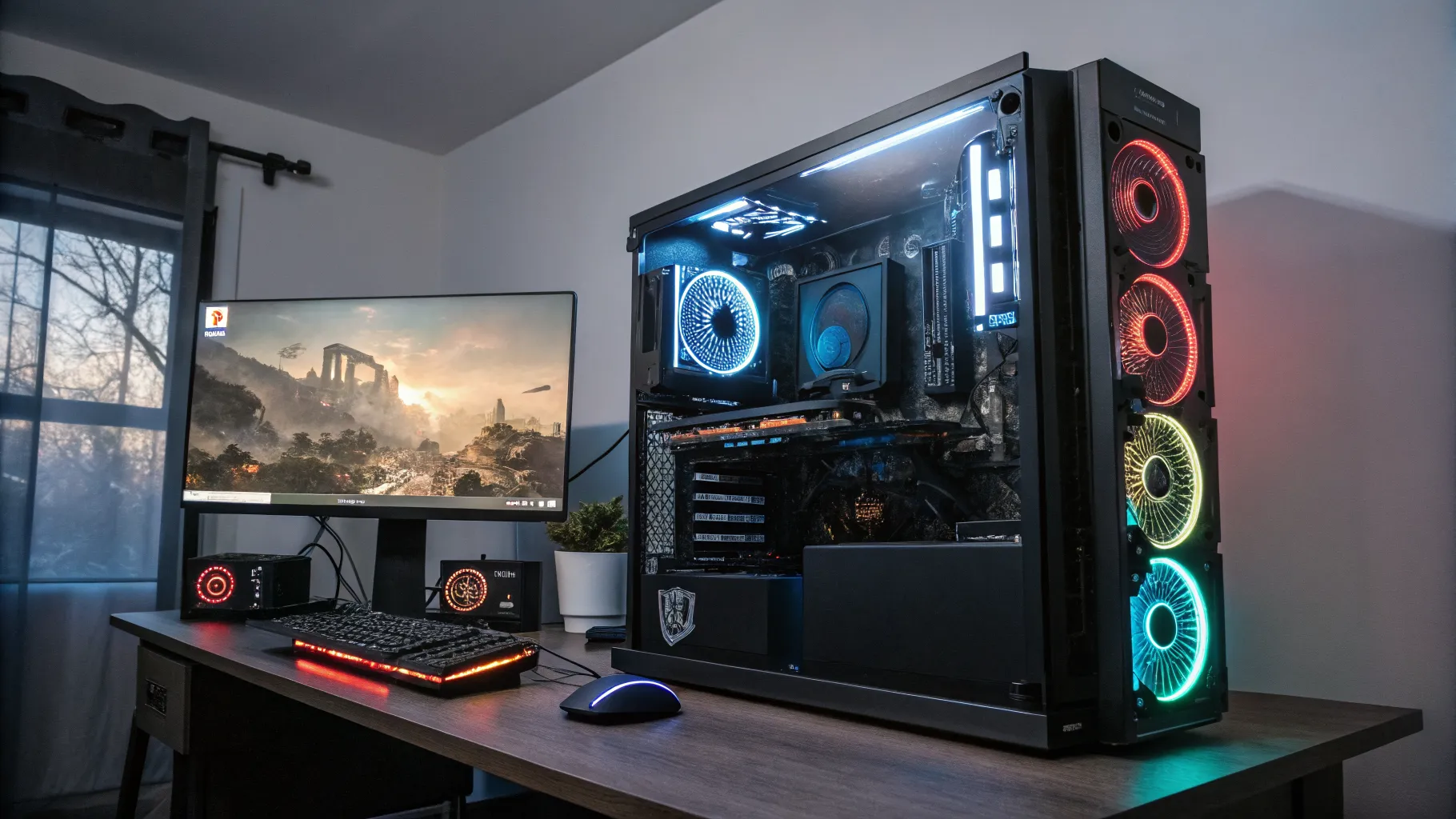
Investing in a high-end gaming PC price requires careful consideration of various factors that contribute to its overall cost. From cutting-edge processors to state-of-the-art graphics cards, assembling a machine capable of delivering a truly premium gaming experience involves more than just picking parts; it's about optimizing for performance, longevity, and future-proofing. This guide will delve into the intricacies of what drives the price of these formidable machines, helping you make informed decisions for your next ultimate gaming setup.
Core Gaming PC Components Driving Up the Price
Graphics Processing Unit (GPU)
The GPU is arguably the most critical and often the most expensive component in any high-end gaming PC price equation. Leading-edge graphics cards from NVIDIA and AMD are designed to render incredibly detailed visuals at high frame rates, which is essential for a premium gaming experience. The cost varies significantly based on VRAM, clock speed, and brand reputation. For a truly high-end build, expect to allocate a substantial portion of your budgeting for a gaming PC towards this single part, as it dictates the visual fidelity and performance ceiling of your system.
Central Processing Unit (CPU)
While the GPU handles most of the graphical heavy lifting, a powerful CPU is crucial for managing game logic, AI, and background tasks without bottlenecking your system. Intel's i9 series or AMD's Ryzen 9 processors are common choices for a custom gaming PC, offering multi-core performance vital for modern AAA titles and multitasking. The price point for these processors is a significant contributor to the overall high-end gaming PC price, ensuring smooth gameplay and efficient operation across demanding applications.
RAM and Storage Solutions
High-speed RAM (typically 32GB or more for high-end builds) and fast storage (NVMe SSDs) are non-negotiable for a snappy and responsive premium gaming experience. RAM impacts game loading times and multitasking capabilities, while an NVMe SSD dramatically reduces game load times and overall system responsiveness. The combination of ample, fast memory and rapid storage is a key factor in the final gaming PC components cost, ensuring that your system can keep up with the demands of the latest games and applications.
Motherboard and Power Supply Unit (PSU)
The motherboard serves as the backbone connecting all your gaming PC components. High-end motherboards offer superior power delivery, better cooling, and advanced connectivity features essential for overclocking and future upgrades, adding to the high-end gaming PC price. A robust PSU is equally important, providing stable and sufficient power to all parts, especially power-hungry GPUs and CPUs. Skimping on these can compromise system stability and longevity, making them crucial investments when budgeting for a gaming PC.
Cooling Systems and Case
Effective cooling is vital for maintaining optimal performance and extending the lifespan of your custom gaming PC, especially when pushing components to their limits. Liquid cooling (AIO or custom loops) and high-performance air coolers can significantly add to the high-end gaming PC price. A well-designed case not only provides airflow but also showcases your expensive components, making aesthetics and functionality both contribute to the final cost. These elements ensure your powerful gaming PC components operate within safe thermal limits, preventing throttling.
Comparison: Pre-built vs. Custom Gaming PC Build Cost
When considering the high-end gaming PC price, prospective buyers often face the dilemma of choosing between a pre-built system and a custom gaming PC. Pre-built systems from reputable manufacturers offer convenience, often come with warranties for the entire system, and can sometimes be found at competitive prices during sales. However, they may involve compromises on specific gaming PC components or include unnecessary bloatware. On the other hand, building a PC yourself offers unparalleled customization, allowing you to select every part to perfectly match your desired premium gaming experience and budget. While the upfront time investment is higher, a custom build can potentially offer better value for money and a deeper understanding of your machine, influencing the overall high-end gaming PC price significantly in the long run.
Actionable Advice for Budgeting for a Gaming PC
Prioritize Components: Allocate the largest portion of your budget to the GPU and CPU, as these have the most significant impact on gaming performance. Other components like RAM and storage are important but can be slightly adjusted to manage the overall high-end gaming PC price.
Research Market Trends: Component prices fluctuate. Keep an eye on sales, new product releases, and market reviews to identify the best time to purchase gaming PC components. Patience can significantly reduce the total PC build cost.
Consider Future-Proofing: Invest in a motherboard with modern features (e.g., PCIe 5.0, DDR5 support) and a PSU with ample wattage. While it may increase the initial high-end gaming PC price, it extends the system's longevity and upgradeability, saving money in the long term for your custom gaming PC.
Don't Overlook Peripherals: A fantastic gaming PC needs excellent peripherals. Factor in a high refresh rate monitor, a comfortable gaming keyboard, and a precise mouse into your overall budgeting for a gaming PC to complete the premium gaming experience.
DIY Assembly: Building your own PC can save on labor costs typically included in pre-built systems. This hands-on approach allows for a deeper understanding of your machine and can be a rewarding part of the custom gaming PC journey.
Frequently Asked Questions
What is the typical high-end gaming PC price range?
The typical high-end gaming PC price for a top-tier system can range from $2,000 to $5,000 or more, depending on the specific gaming PC components, brand choices, and cooling solutions. Enthusiast-level builds with the absolute best hardware can even exceed this range, especially for a truly custom gaming PC.
Are pre-built high-end gaming PCs worth the investment?
Pre-built high-end gaming PCs offer convenience and often come with professional assembly and warranty support. While they might sometimes carry a slight premium over building your own, they can be a great option for those who prefer a hassle-free experience and don't want to delve into the intricacies of selecting individual gaming PC components. The value heavily depends on the specific build and the manufacturer's pricing strategy, impacting the overall high-end gaming PC price.
How often should I upgrade components in a high-end gaming PC?
For a premium gaming experience, you might consider upgrading key gaming PC components like the GPU every 2-4 years, depending on new game releases and technological advancements. CPUs typically have a longer lifespan, often lasting 4-6 years or more before a significant performance upgrade is necessary. Regular evaluation of new hardware and your performance needs is crucial for effective budgeting for a gaming PC.
Does the brand of components significantly affect the high-end gaming PC price?
Yes, the brand of gaming PC components can significantly influence the high-end gaming PC price. Premium brands often command higher prices due to their reputation for quality, reliability, advanced features, and customer support. While less expensive alternatives might exist, investing in reputable brands for critical components like GPUs, CPUs, and PSUs is generally recommended for a stable and reliable premium gaming experience.
References
- TechReview Gaming Hardware Annual Report
- PC Builder's Guide to Enthusiast Systems
- Digital Foundry Component Analysis
- Gamers Nexus Hardware Reviews
- Industry Trends in Custom PC Building