Mastering Your Bathroom Remodeling: 5 Crucial Steps for a Perfect Renovation
Facts:
- Average bathroom remodeling projects often yield a high return on investment.
- Sustainable materials are a growing trend in bathroom design for eco-conscious homeowners.
Navigating the Path to a Perfect Bathroom Renovation
Embarking on a bathroom remodeling project can be an exciting yet daunting endeavor. From initial design concepts to the final touches, each phase demands meticulous planning and execution. This comprehensive guide will walk you through the 5 Crucial Steps for Bathroom Remodeling, providing you with the essential knowledge to transform your vision into a stunning, functional reality. Understanding these key stages will not only help you manage expectations but also ensure a smooth and successful bathroom renovation from start to finish, avoiding common pitfalls and maximizing your investment in one of the most vital spaces in your home.
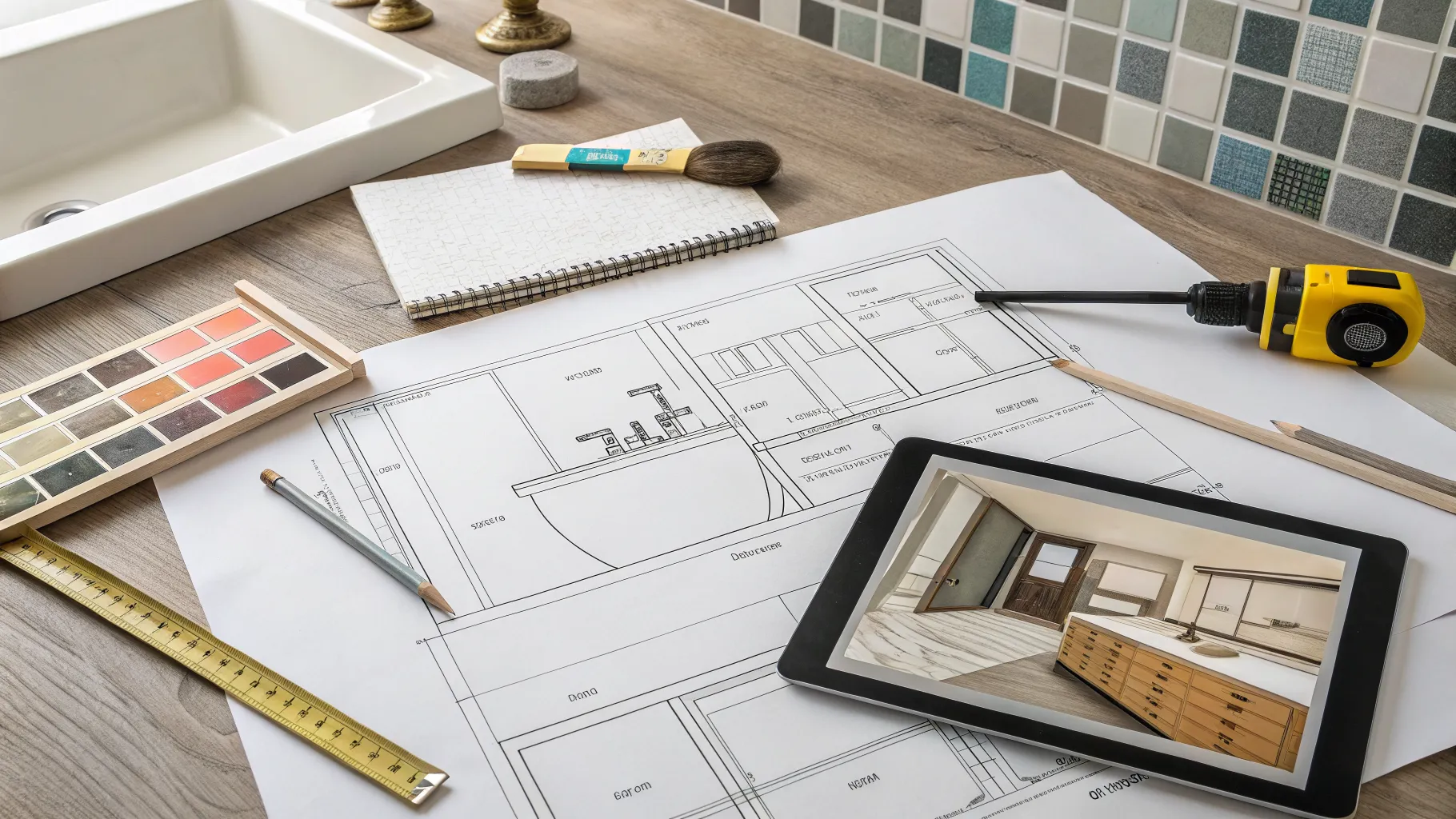
Step 1: Meticulous Planning and Bathroom Design
The foundation of any successful bathroom remodeling project lies in thorough planning and impeccable design. Before swinging a single hammer, it's crucial to define your aesthetic preferences, functional needs, and long-term goals for the space. Begin by gathering inspiration from magazines, online galleries, and showrooms to crystallize your desired style – be it modern minimalist, classic traditional, or rustic chic. Consider the existing architectural style of your home to ensure cohesion. Crucially, think about the practical aspects: how many people will use the bathroom? Do you need more storage, a larger shower, or an accessible design? Sketch out different bathroom layout options, paying attention to traffic flow and the placement of fixtures. A well-thought-out design phase will prevent costly changes down the line and ensure the end result truly reflects your lifestyle and tastes. Investing time here means investing in the longevity and satisfaction of your new bathroom.
Step 2: Establishing a Realistic Bathroom Remodeling Budget
Once your design vision is clear, the next crucial step is to create a detailed and realistic budget. Bathroom remodeling costs can vary widely depending on the scope of work, material choices, and labor rates in your area. Start by categorizing expenses: demolition, plumbing, electrical, flooring, tiling, fixtures (toilet, sink, shower/tub), cabinetry, lighting, ventilation, and accessories. Research average costs for each item and don't forget to allocate a contingency fund, typically 10-20% of the total budget, for unforeseen issues that commonly arise during renovations. Obtaining multiple quotes from contractors and suppliers is essential for comparison and negotiation. Be transparent about your budget with your design and build team; they can often suggest alternative materials or approaches that align with your financial parameters without compromising quality or aesthetics. A well-managed budget is key to avoiding financial stress and ensures your bathroom renovation stays on track.
Step 3: Sourcing Materials and Hiring Professionals for Your Bathroom Renovation
With a clear design and budget in place, the third step involves sourcing all necessary materials and assembling your professional team. This phase is critical for the smooth execution of your bathroom remodeling. Begin by selecting finishes, tiles, vanity units, countertops, and fixtures that align with your design vision and budget. Pay attention to material durability, maintenance requirements, and availability. Simultaneously, begin the process of hiring qualified and reputable contractors, plumbers, electricians, and tilers. Request portfolios, check references, and verify licenses and insurance. A clear contract outlining the scope of work, timeline, payment schedule, and warranty information is non-negotiable. Effective communication with your chosen professionals is paramount to ensure everyone is aligned on the project goals, minimizing misunderstandings and ensuring that every aspect of your bathroom renovation is handled by experienced hands. High-quality materials and skilled labor are investments that pay off in the long run.
Step 4: The Demolition and Installation Phases of Bathroom Remodeling
This is where your bathroom remodeling project truly comes to life. The demolition phase, while often messy and noisy, is the necessary removal of old fixtures, tiles, and anything else being replaced. Ensure proper dust containment and protection for other areas of your home. Following demolition, the rough-in installation begins. This involves any structural changes, relocation or installation of new plumbing lines, electrical wiring for lighting and outlets, and ventilation systems. These behind-the-walls components are critical for the safety and functionality of your new bathroom, so ensure they are installed correctly and inspected according to local building codes. Once the rough-ins are complete and approved, the finishing work commences: installing drywall, waterproofing wet areas, tiling floors and walls, painting, and finally, installing the vanity, toilet, shower, and other fixtures. Each step in this phase requires precision and attention to detail to ensure a flawless and durable outcome for your bathroom renovation.
Step 5: Finishing Touches and Final Inspection for Your New Bathroom Layout
The final step in your bathroom remodeling journey involves adding the finishing touches and conducting a thorough final inspection. This is the stage where your new space truly comes together. Install mirrors, lighting fixtures, towel bars, shelving, and other accessories that enhance both aesthetics and functionality. Connect plumbing to all fixtures and test everything for leaks and proper operation. Pay close attention to details such as grout lines, caulking, paint finishes, and the alignment of cabinet doors. Once all the cosmetic work is complete, perform a comprehensive walk-through with your contractor. Create a punch list of any remaining items that need attention or minor adjustments. Ensure all aspects of the project meet your agreed-upon standards and local building codes. Your contractor should address any issues promptly. This final inspection is your opportunity to ensure every detail of your new bathroom layout is perfect and ready for enjoyment, marking the successful completion of your significant investment.
Comparing DIY vs. Professional Bathroom Renovation
When considering a bathroom remodeling project, homeowners often weigh the pros and cons of a DIY approach versus hiring professionals. A DIY renovation can save significantly on labor costs, appealing to those with extensive experience in plumbing, electrical, tiling, and general construction. It offers complete control over every detail and the satisfaction of personal accomplishment. However, DIY projects can quickly become overwhelming for the inexperienced, leading to costly mistakes, extended timelines, and potential safety hazards, especially when dealing with complex plumbing or electrical work. Professional contractors, on the other hand, bring expertise, efficiency, and established relationships with suppliers, often securing better material prices. They ensure the work meets code, is completed on schedule, and comes with warranties. While the upfront cost is higher, the peace of mind, quality of work, and reduced stress often make professional help a worthwhile investment for a smooth and successful bathroom renovation, particularly for significant structural or layout changes. Consider your skill level, time commitment, and the complexity of your desired bathroom design before making this crucial decision.
Actionable Advice for a Seamless Bathroom Remodeling Project
- Plan Extensively: Dedicate sufficient time to finalize your design, layout, and material selections before starting any physical work. A well-defined plan prevents mid-project changes that can cause delays and cost overruns in your bathroom remodeling.
- Set a Realistic Budget (and Stick to It): Account for all potential costs, including a 10-20% contingency fund. Track expenses rigorously and communicate openly with your contractor about budget constraints for your bathroom renovation.
- Prioritize Functionality: While aesthetics are important, ensure your new bathroom meets your practical needs. Consider storage, accessibility, and ease of cleaning for a truly functional bathroom layout.
- Vet Professionals Thoroughly: Always check references, review portfolios, and verify licenses and insurance for any contractors or tradespeople you hire. A reliable team is crucial for a high-quality remodeling steps process.
- Communicate Continuously: Maintain open and regular communication with your contractor and design team. Address questions and concerns promptly to keep the bathroom design project on track and avoid misunderstandings.
- Protect Your Home: During demolition and construction, ensure sensitive areas of your home are protected from dust and debris. This minimizes clean-up and prevents damage to other parts of your property during bathroom remodeling.
Frequently Asked Questions
What is the average duration for a bathroom remodeling project?
The duration of a bathroom remodeling project can vary significantly based on its scope. A minor cosmetic update might take 1-2 weeks, while a full renovation involving layout changes, plumbing, and electrical work can range from 3-8 weeks, sometimes longer for larger or more complex bathrooms. Unexpected issues can also extend the timeline.
How much should I budget for a typical bathroom renovation?
The cost of a bathroom renovation depends heavily on size, materials, and labor. A small, basic remodel might cost between $5,000-$15,000. Mid-range projects typically fall between $15,000-$30,000, while high-end or luxury remodels can easily exceed $30,000. Always include a contingency fund of 10-20% for unforeseen expenses when planning your remodeling steps.
What are some popular trends in bathroom design for 2026?
For 2026, popular bathroom design trends include a strong emphasis on smart technology (e.g., smart showers, heated floors, touchless faucets), sustainable materials (reclaimed wood, low-VOC paints), spa-like aesthetics with natural elements, freestanding tubs, large format tiles, and personalized storage solutions. Bold colors and unique textures are also making a comeback.
Is it worth investing in a full bathroom layout change?
Investing in a full bathroom layout change can be highly worthwhile if the current layout is highly dysfunctional, cramped, or doesn't meet your lifestyle needs. It can significantly improve usability, aesthetics, and overall home value. However, it's typically the most expensive type of renovation due to extensive plumbing and electrical work, so ensure the benefits outweigh the costs.
References
- National Kitchen and Bath Association (NKBA) design guidelines.
- Remodeling Magazine's Cost vs. Value Report for average renovation returns.
- Architectural Digest articles on current bathroom design trends.