Unveiling the Most Popular Sustainable Fabrics in 2026 for Eco-Conscious Consumers
Facts:
- Global demand for sustainable fabrics is rapidly increasing.
- Innovation in eco-friendly textiles for younger, environmentally-aware consumers.
The Rise of Sustainable Fabrics: Shaping the Future of Fashion
As consumer awareness around environmental impact grows, the demand for truly sustainable fabrics continues its exponential rise. The fashion industry, historically a significant contributor to pollution, is undergoing a pivotal transformation, embracing innovative eco-friendly textiles that prioritize both planet and people. This article delves into the materials poised to dominate the market in 2026, highlighting their unique properties, benefits, and the role they play in fostering a more responsible fashion ecosystem.
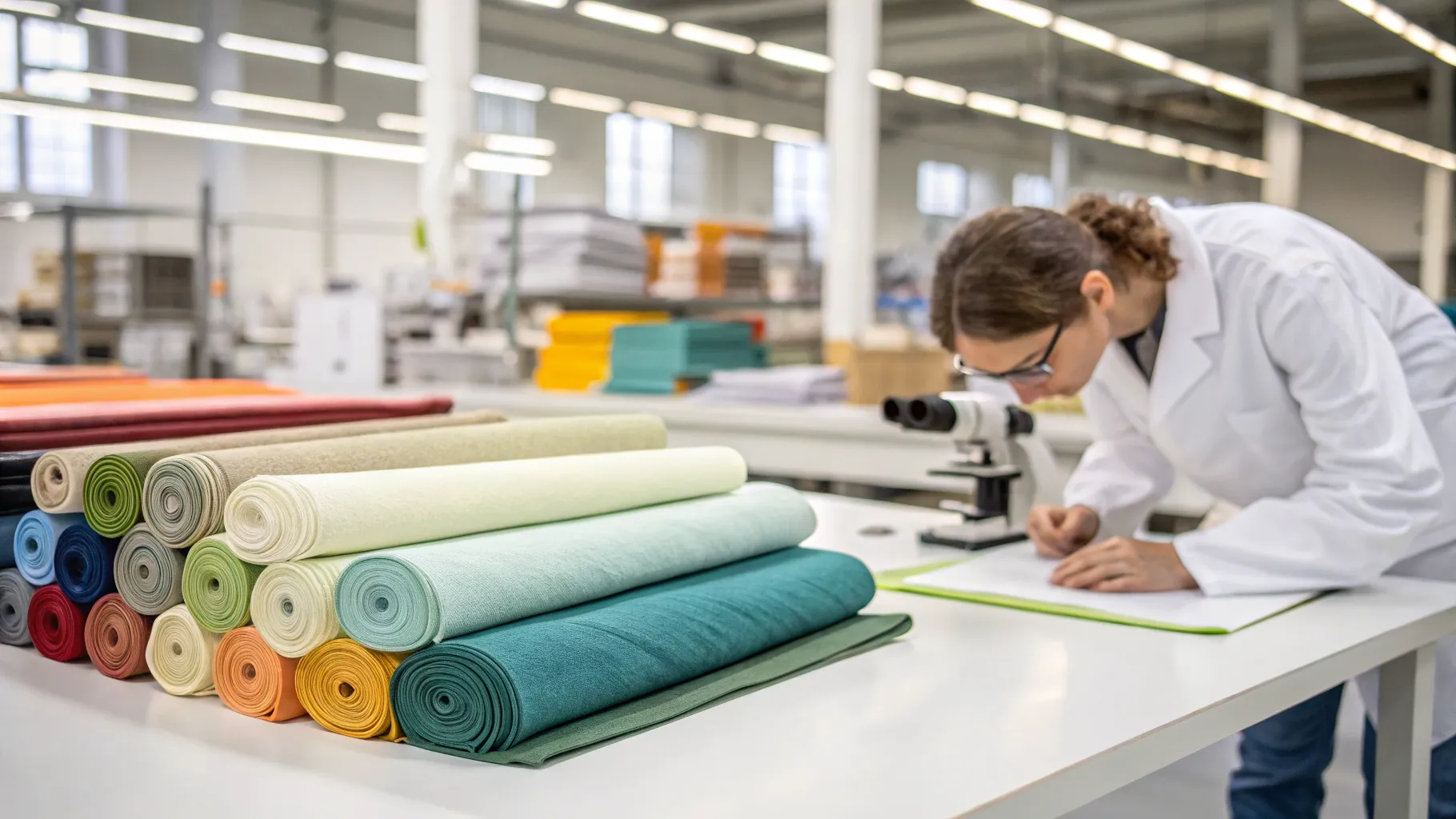
Leading the Charge: The Most Popular Sustainable Fabrics in 2026
The landscape of eco-friendly textiles is constantly evolving, with new technologies and processes enhancing the environmental credentials of various materials. In 2026, several key players are set to dominate the market, driven by their reduced environmental footprint, durability, and versatility. Understanding these materials is crucial for anyone interested in the future of responsible fashion.
Recycled Polyester (rPET)
Recycled materials, particularly recycled polyester, remain a cornerstone of sustainable fashion. rPET is produced by melting down existing plastic, usually PET bottles, and re-spinning it into new polyester fibers. This process significantly reduces energy consumption and diverts waste from landfills and oceans. While often criticized for still being plastic, the circularity aspect and reduced reliance on virgin fossil fuels make it a highly practical and widely adopted sustainable fabric, especially in activewear and outerwear where its performance properties are highly valued. Advancements in chemical recycling are further improving the quality and reusability of rPET.
Organic Cotton
Organic cotton stands as a perennial favorite among eco-friendly textiles. Grown without synthetic pesticides, herbicides, or genetically modified organisms (GMOs), it protects biodiversity and farmer health. Its cultivation relies on natural processes, such as composting and crop rotation, which replenish soil fertility rather than depleting it. The benefits extend beyond the farm, as organic cotton production typically uses less water and energy compared to conventional cotton. Consumers are increasingly seeking out garments made from this soft, breathable, and truly biodegradable fiber, recognizing its superior environmental credentials.
TENCEL Lyocell
TENCEL Lyocell, a branded lyocell fiber from Lenzing, is consistently recognized as a frontrunner in sustainable fabrics. Derived from sustainably sourced wood pulp, typically eucalyptus, its production utilizes a closed-loop solvent spinning process that recycles up to 99% of water and solvents. This makes it exceptionally efficient and minimizes waste. TENCEL Lyocell is known for its incredible softness, breathability, moisture-wicking properties, and natural resistance to bacteria, making it ideal for a wide range of apparel, from activewear to luxury garments. Its commitment to environmental responsibility resonates deeply with the core principles of responsible fashion.
Hemp
Hemp is experiencing a significant resurgence as a highly versatile and eco-friendly textile. This remarkable plant requires minimal water, no pesticides, and naturally enriches the soil it grows in. Its fibers are incredibly strong and durable, becoming softer with each wash, and naturally resistant to mold, mildew, and UV light. From sturdy denim alternatives to soft jersey knits, hemp's applications are expanding rapidly. As processing techniques improve, making it softer and more pliable, hemp is set to become an even more prominent player in the lineup of sustainable fabrics, offering a robust alternative to conventional fibers.
Piñatex (Pineapple Leaf Fiber)
Innovation continues to drive the creation of novel sustainable fabrics, with materials like Piñatex gaining traction. This innovative material is made from the discarded leaves of pineapples, a byproduct of existing agriculture. By transforming waste into a valuable resource, Piñatex offers a cruelty-free and environmentally sound alternative to leather. It requires no additional land, water, or pesticides beyond what's used for pineapple cultivation. Its unique texture and durability make it suitable for accessories, footwear, and even upholstery, embodying the principles of both recycled materials and ethical sourcing in responsible fashion.
The Environmental Impact of Textile Production: A Comparison
When evaluating sustainable fabrics, it's essential to compare their environmental footprints. Conventional cotton, for instance, is notorious for its heavy water usage and reliance on harmful pesticides. Polyester, while durable, is a petroleum-based product that contributes to microplastic pollution. In contrast, materials like organic cotton significantly reduce chemical and water input. TENCEL Lyocell boasts a closed-loop production system, minimizing effluent and resource consumption. The rise of recycled materials, such as rPET, addresses the global plastic waste crisis by giving new life to discarded plastics. Even emerging biodegradable fibers like hemp and Piñatex offer stark contrasts to resource-intensive alternatives. The industry's shift towards these cleaner production methods and more conscious material choices underscores a fundamental pivot towards genuine eco-friendly textiles.
Implementing Sustainable Choices: Actionable Advice for Consumers
Making informed decisions about sustainable fabrics is empowering. Here’s how you can actively contribute to a more responsible fashion industry:
- Educate Yourself: Understand the origins and production processes of different eco-friendly textiles. Look beyond marketing hype for certifications like GOTS (Global Organic Textile Standard) for organic cotton or OEKO-TEX for verified safety.
- Prioritize Durability and Quality: Invest in high-quality garments made from durable sustainable fabrics that are designed to last. Longer-lasting clothing reduces the need for frequent replacements, lowering overall environmental impact.
- Support Brands with Transparency: Choose brands that are open about their supply chains and their commitment to sustainability. Many brands now highlight their use of recycled materials and ethical manufacturing practices.
- Care for Your Clothes Properly: Extend the life of your garments by following care instructions, washing less frequently, and opting for cold water and air-drying. Proper care maintains the integrity of biodegradable fibers and other textiles.
- Embrace Second-Hand and Circularity: Consider buying pre-owned clothing or participating in clothing swaps. When a garment reaches its end of life, look for recycling programs that handle textiles to ensure materials like rPET are properly processed.
Frequently Asked Questions
What defines a sustainable fabric?
A sustainable fabric is generally defined by its reduced environmental impact throughout its lifecycle, from raw material sourcing to disposal. Key factors include low water and energy consumption, minimal use of harmful chemicals, biodegradability or recyclability, and ethical production practices. Materials like TENCEL Lyocell and organic cotton are prime examples of eco-friendly textiles.
Are recycled materials truly sustainable?
Recycled materials, such as recycled polyester (rPET), significantly contribute to sustainability by diverting waste from landfills and reducing the demand for virgin resources. While rPET is still plastic, its environmental footprint is considerably smaller than that of conventional polyester, making it a crucial component in responsible fashion's move towards circularity.
How can consumers identify truly eco-friendly textiles?
Consumers can identify truly eco-friendly textiles by looking for reputable certifications like GOTS, OEKO-TEX, Bluesign, or Fair Trade. Researching brand transparency regarding their supply chain and manufacturing processes also helps in making informed choices about genuinely sustainable fabrics and their environmental credentials.
References
- Lenzing AG Corporate Website - TENCEL Fibers.
- Organic Cotton Accelerator (OCA) Annual Reports.
- Ananas Anam (Piñatex) Official Website.
- Textile Exchange: Preferred Fiber and Materials Market Report.
- Various academic studies on industrial hemp cultivation and textile applications.