10 Foods that Support Bone Strength: A Guide to Bone Health Foods
Facts:
- Bone is a living tissue that is constantly being broken down and replaced.
- A diet rich in bone health foods is a key trend for proactive wellness.
Fortify Your Frame: The Ultimate Guide to Bone-Boosting Nutrition
Building and maintaining strong bones is a lifelong process, with nutrition playing a pivotal role. While we often think of bone health in our later years, the foundation is laid much earlier. Your diet directly impacts your bone mass density, resilience, and overall skeletal integrity. Incorporating a variety of bone health foods is not just a recommendation but a crucial strategy for preventing conditions like osteoporosis. This guide explores the essential nutrients your bones crave and highlights the top 10 foods for bone strength, providing a clear roadmap to better bone wellness nutrition and a stronger you.
The Top 10 Foods for Bone Strength
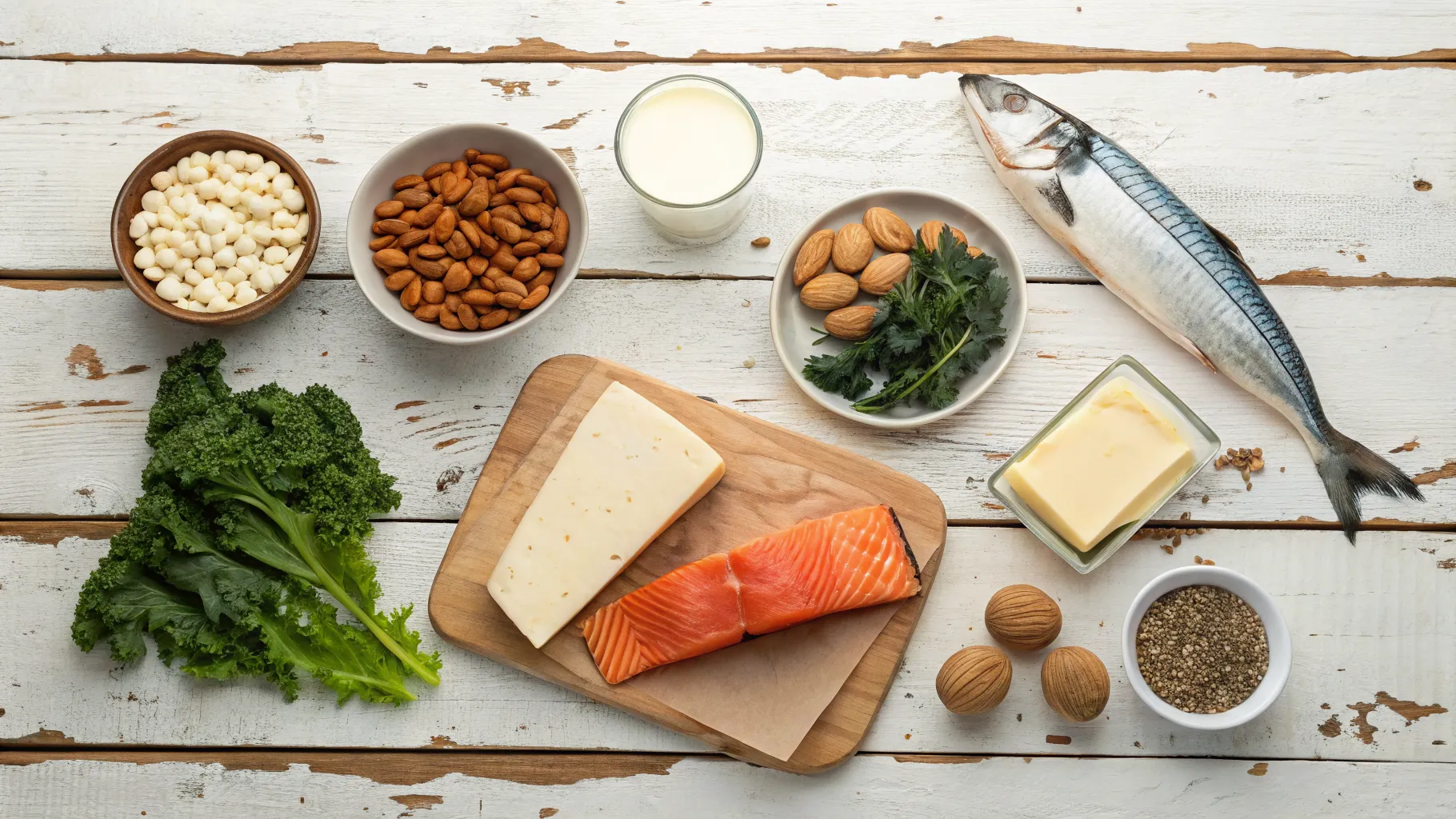
Integrating specific nutrients into your daily meals is the most effective way to support your skeletal system. These foods are packed with calcium, vitamin D, magnesium, and other vital minerals that act as the building blocks for healthy bones. Below are the top ten categories of foods linked to bone support.
1. Dairy Products (Milk, Yogurt, and Cheese)
Dairy products are arguably the most famous calcium rich foods, and for good reason. Calcium is the primary mineral in your bones, giving them their structure and strength. A single cup of milk or yogurt can provide about 30% of your daily calcium needs. Additionally, many dairy products are fortified with Vitamin D, which is essential for calcium absorption. Opting for low-fat or non-fat versions provides these benefits without excess saturated fat, making them a cornerstone of any diet focused on bone wellness nutrition.
2. Leafy Green Vegetables
Don't overlook the power of greens. Vegetables like kale, collard greens, spinach, and broccoli are excellent sources of calcium. Beyond that, they are rich in Vitamin K, another critical nutrient for bone health. Vitamin K helps bind calcium to the bone matrix. While spinach contains calcium, it also has oxalates which can interfere with its absorption, so it's important to have a variety of these powerful bone health foods in your diet.
3. Fatty Fish
Fatty fish such as salmon, sardines, and mackerel offer a fantastic one-two punch for bone health. They are one of the best natural sources of Vitamin D, the 'sunshine vitamin' that your body needs to effectively absorb calcium from your gut. Furthermore, they are packed with omega-3 fatty acids, which studies suggest may help reduce bone loss. Including these fish in your diet twice a week is a great strategy among the 10 foods for bone strength.
4. Fortified Foods
For those who may not consume enough dairy or fatty fish, fortified foods are a practical solution. Many breakfast cereals, plant-based milks (like almond, soy, and oat), and orange juices are fortified with both calcium and Vitamin D. Reading labels is key to identifying these products, which serve as excellent foods linked to bone support, especially for individuals with dietary restrictions.
5. Nuts and Seeds
Nuts and seeds are small but mighty when it comes to bone nutrition. Almonds, for example, are a good source of calcium and magnesium. Magnesium plays a vital role in converting Vitamin D into its active form, which in turn helps with calcium absorption. Seeds like chia, flax, and sesame are also rich in these minerals as well as phosphorus, another key component of the bone matrix. They are versatile bone health foods that can be easily added to salads, yogurt, or smoothies.
6. Tofu and Edamame
Soy-based products like tofu and edamame are fantastic plant-based calcium rich foods. A half-cup of calcium-set tofu can contain as much calcium as a glass of milk. Additionally, soy contains isoflavones, plant compounds that are thought to have a positive effect on bone density, particularly in postmenopausal women. This makes them an important part of a comprehensive bone wellness nutrition plan.
7. Lean Proteins
Protein is a major component of bone tissue, making up about 50% of its volume. Insufficient protein intake can negatively impact calcium absorption and bone formation. Lean sources like chicken, turkey, and eggs provide the necessary amino acids for building a strong bone framework. Ensuring adequate protein is a fundamental aspect of consuming foods linked to bone support.
8. Prunes
While not the first food that comes to mind, prunes (dried plums) have been shown in multiple studies to support bone health. They are rich in vitamins and minerals, including Vitamin K and potassium, and contain antioxidants that may help prevent bone breakdown. Incorporating a serving of 5-6 prunes a day could be a sweet addition to your list of 10 foods for bone strength.
9. Bell Peppers and Broccoli
Vitamin C is essential for the production of collagen, the protein that forms the structural framework of bones. A deficiency in Vitamin C can lead to brittle bones. Brightly colored fruits and vegetables like red and yellow bell peppers, broccoli, and strawberries are packed with this vital nutrient, making them powerful contributors to bone integrity and overall bone wellness nutrition.
10. Mushrooms
Mushrooms are one of the few plant-based sources of Vitamin D. Similar to human skin, mushrooms can synthesize Vitamin D when exposed to UV light. Some commercially grown mushrooms are specifically exposed to UV light to increase their Vitamin D content. Check the label to confirm they are a Vitamin D-enhanced variety to get the most benefit from these unique bone health foods.
Practical Tips for a Bone-Healthy Diet
Knowing which foods to eat is the first step. The next is integrating them into your daily life. Focus on creating balanced meals that include a source of calcium, vitamin D, and protein. For example, a breakfast of fortified cereal with milk and a side of fruit, a lunch of salmon salad with leafy greens, and a dinner with tofu stir-fry and broccoli covers many of your bases. Smart snacking on yogurt, almonds, or an orange can further boost your intake of these crucial nutrients, making it easy to consume the 10 foods for bone strength regularly.
Frequently Asked Questions
What are the most important nutrients in bone health foods?
The most critical nutrients are Calcium and Vitamin D. Calcium is the primary building block of bone, and Vitamin D is essential for your body to absorb that calcium. Other important nutrients include Protein, Magnesium, Phosphorus, and Vitamin K, which all play supporting roles in building and maintaining a strong bone matrix. A diet rich in calcium rich foods is a great starting point.
Can diet alone improve bone density?
Diet is a cornerstone of bone health, but it works best in conjunction with other lifestyle factors. A diet focused on bone wellness nutrition can significantly help maintain and even improve bone density. However, for optimal results, it should be combined with regular weight-bearing exercise (like walking, jogging, or weightlifting) and lifestyle choices like avoiding smoking and excessive alcohol consumption.
Are there any foods to avoid for better bone wellness nutrition?
While no food needs to be completely eliminated, some should be consumed in moderation. Diets very high in sodium can cause your body to lose calcium, potentially leading to bone loss. Similarly, excessive caffeine and alcohol can interfere with calcium absorption and bone formation. It's about balance and prioritizing nutrient-dense foods linked to bone support.
References
- National Institute of Arthritis and Musculoskeletal and Skin Diseases
- The Role of Nutrition in Bone Health - American Society for Nutrition
- International Osteoporosis Foundation Nutritional Guidelines
- Journal of Bone and Mineral Research