Leaky Heart Valve: What to Know About Heart Valve Regurgitation
Facts:
- A leaky heart valve allows blood to flow backward.
- Early diagnosis improves outcomes for patients with heart valve disease.
Understanding the Mechanics of a Leaky Heart Valve
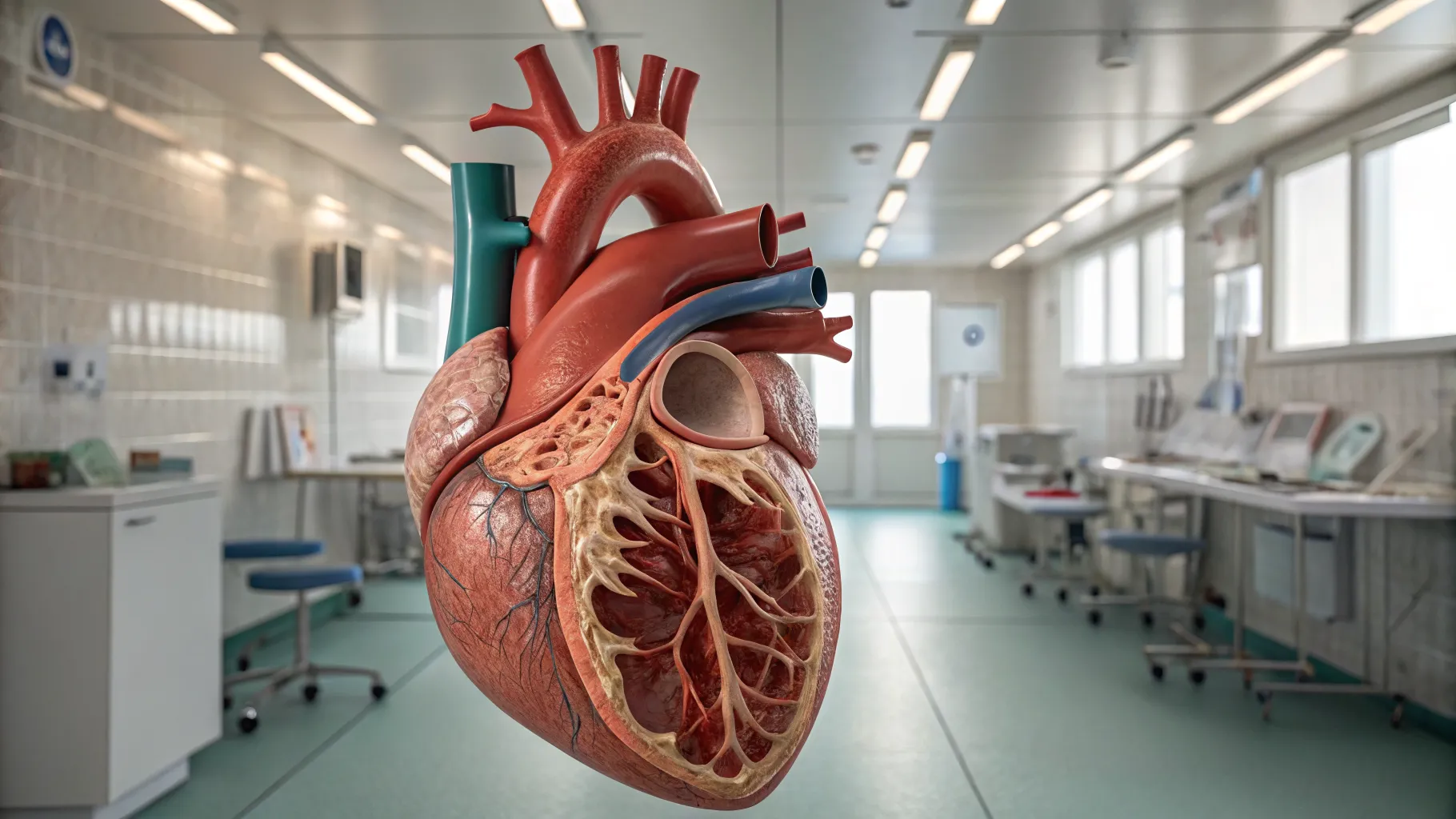
When you hear the term leaky valve heart, it refers to a condition medically known as heart valve regurgitation. In a healthy heart, four valves act as one-way gates, ensuring blood flows in the correct direction through the heart's chambers. When a valve doesn't close tightly, a small amount of blood can leak backward, forcing the heart to work harder to pump the same amount of blood. Over time, this extra strain can lead to significant cardiovascular problems. Understanding the fundamental mechanism of this condition is the first step toward recognizing the various heart valve disease signs and seeking timely medical intervention. This condition can affect any of the heart's four valves: the mitral, tricuspid, aortic, or pulmonary valve, each presenting a unique set of challenges and symptoms.
Uncovering Common Leaky Heart Valve Symptoms
Recognizing the leaky heart valve symptoms is crucial for early detection and management. Many individuals may live with a minor leak for years without any noticeable issues. However, as the condition progresses, the signs become more apparent. The most common indicators include shortness of breath, especially during physical activity or when lying down, and persistent fatigue or weakness that doesn't improve with rest. Some people experience lightheadedness, dizziness, or even fainting spells. Another one of the key heart valve disease signs is the development of a heart murmur, which is an unusual sound a doctor can hear with a stethoscope. Other symptoms can include swelling in the ankles, feet, or abdomen (edema) and a rapid or irregular heartbeat, often described as palpitations. It's important to note that the severity of the leaky heart valve symptoms does not always correlate with the severity of the valve leak itself.
Investigating the Primary Leaky Heart Valve Causes
The leaky heart valve causes are diverse and can range from congenital defects present at birth to conditions acquired later in life. One of the most common causes is mitral valve prolapse, where the flaps of the mitral valve bulge back into the left atrium. Other significant factors include damage from rheumatic fever, a complication of untreated strep throat, which can scar the heart valves. High blood pressure and coronary artery disease can also weaken the heart muscle and valve structures, leading to heart valve regurgitation. Furthermore, certain infections like endocarditis can directly damage the valves. Age-related degeneration, where the valve tissue wears down over time, is another primary contributor. Understanding the specific underlying cause is essential for determining the most effective treatment plan for a leaky valve heart and preventing further complications.
Diagnosis and Evaluation of Heart Valve Disease Signs
A definitive diagnosis is key to managing a leaky valve heart. The process typically begins with a physical examination where a doctor listens for a heart murmur. If a murmur or other heart valve disease signs are detected, further testing is required. The most common and effective diagnostic tool is an echocardiogram, an ultrasound of the heart that provides detailed images of the heart valves and chambers, showing how well they are functioning and the extent of any heart valve regurgitation. Other diagnostic tests may include an electrocardiogram (ECG or EKG) to check the heart's electrical activity, a chest X-ray to see if the heart is enlarged, and cardiac catheterization to get a detailed view of the heart's arteries and valve function. These tests help cardiologists confirm the diagnosis, identify the specific valve involved, and assess the severity of the leak, which guides the entire treatment strategy.
Actionable Steps for Managing a Leaky Heart Valve
Once diagnosed, managing a leaky valve heart involves a combination of lifestyle adjustments, medication, and, in some cases, surgical procedures. The goal is to reduce symptoms, prevent complications, and improve heart function. Here are some key strategies your doctor may recommend:
- Medication: Doctors may prescribe medications to manage symptoms and reduce the heart's workload. These can include diuretics to reduce fluid retention, blood pressure medications like ACE inhibitors or beta-blockers, and anti-arrhythmic drugs to control an irregular heartbeat. These treatments help manage the leaky heart valve symptoms but do not cure the valve issue itself.
- Regular Monitoring: For mild to moderate cases, regular check-ups with a cardiologist are essential. Periodic echocardiograms will be scheduled to monitor the condition of the valve and the heart's response to the leak, ensuring any progression is caught early.
- Lifestyle Modifications: Adopting a heart-healthy lifestyle can significantly impact your overall health. This includes eating a balanced, low-sodium diet, engaging in regular, doctor-approved physical activity, quitting smoking, and limiting alcohol and caffeine intake. These changes help manage blood pressure and reduce strain on the heart.
- Surgical Intervention: If the heart valve regurgitation is severe or causing significant symptoms or heart enlargement, surgery may be necessary. The two main options are heart valve repair, which is often preferred, or heart valve replacement. The decision depends on the specific leaky heart valve causes, the valve affected, and the patient's overall health.
Frequently Asked Questions
What are the first signs of a leaky heart valve?
The earliest heart valve disease signs can be very subtle and may include unusual fatigue, shortness of breath upon exertion, or a heart murmur detected by a doctor. As the condition of the leaky valve heart progresses, more noticeable symptoms like palpitations or swelling in the legs may appear.
Can a leaky heart valve be cured without surgery?
A minor leaky valve heart may not require a cure and can be managed with medication and lifestyle changes to control symptoms. However, these treatments do not fix the underlying structural problem with the valve. Significant heart valve regurgitation that causes symptoms or heart damage often requires surgical repair or replacement to be effectively corrected.
What are the main leaky heart valve causes to be aware of?
The most common leaky heart valve causes include congenital conditions, age-related degeneration, high blood pressure, heart attacks, and infections like endocarditis or rheumatic fever. Understanding your personal risk factors is an important part of proactive heart health.
How serious is heart valve regurgitation?
The seriousness of heart valve regurgitation varies widely. Mild cases may cause no problems and only require monitoring. However, severe regurgitation can strain the heart, leading to heart failure, arrhythmias, and other serious complications if left untreated. Promptly addressing leaky heart valve symptoms with a healthcare professional is crucial.
References
- American Heart Association: Problem: Heart Valve Disease
- Mayo Clinic: Heart valve disease - Symptoms and causes
- Cleveland Clinic: Heart Valve Disease: Regurgitation
- National Heart, Lung, and Blood Institute (NHLBI): What Is Heart Valve Disease?