10 Constipation Causing Foods to Watch in Your Diet
Facts:
- Low-fiber diets are a leading cause of constipation worldwide.
- A rising trend in processed food consumption impacts digestive health foods choices.
Understanding the Link Between Your Constipation and Diet
Navigating the complex world of digestive health can be challenging. Many people experience occasional constipation, but few realize how significantly their daily meals contribute to the problem. Identifying the specific constipation causing foods is a crucial step towards improving regularity and overall well-being. This guide will explore the top 10 culprits, explaining why these foods that may cause constipation can disrupt your system and how making informed dietary choices can lead to significant relief and better overall digestive health foods management.
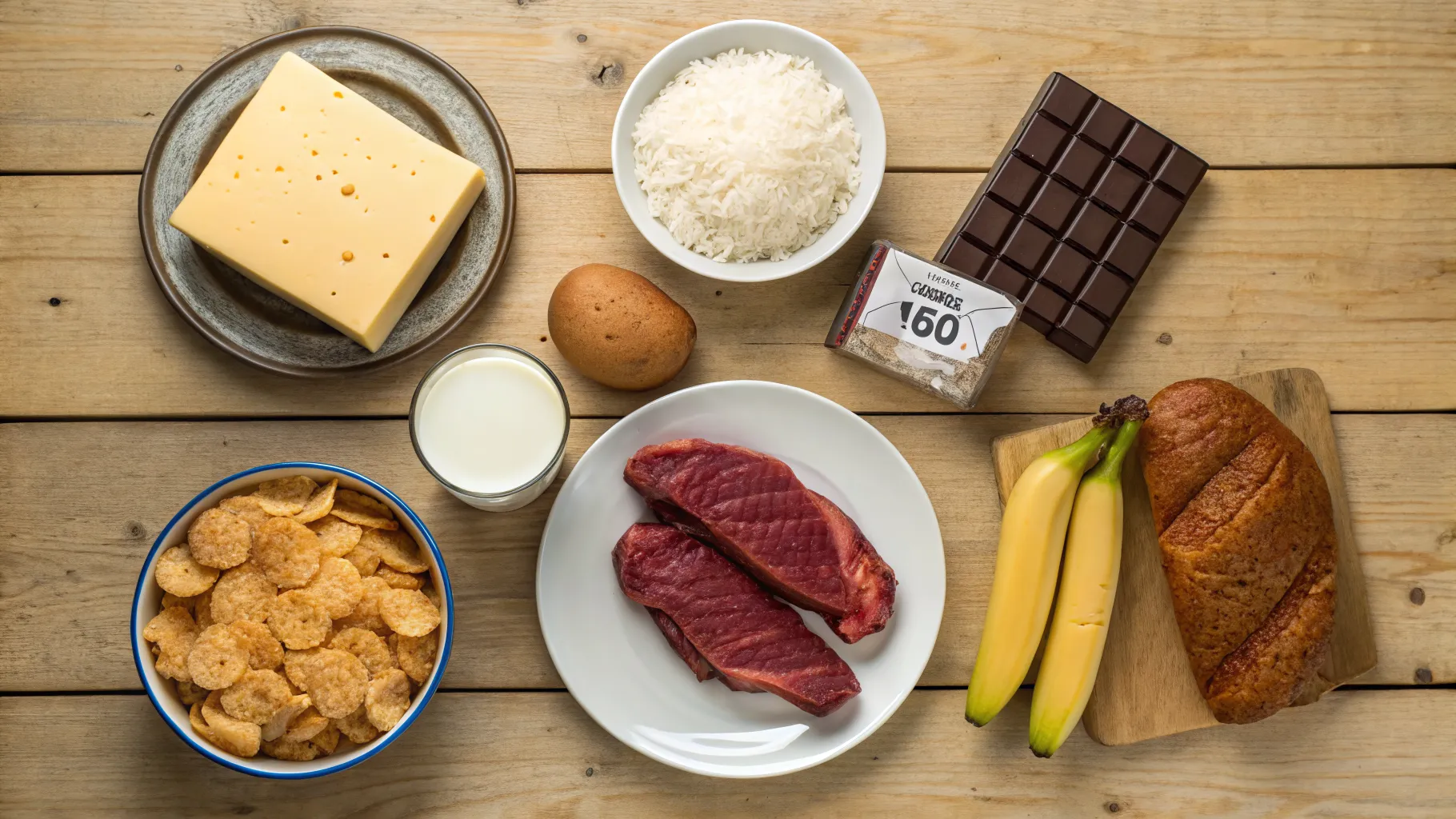
The Top 10 Constipation Causing Foods to Be Aware Of
While individual reactions can vary, certain foods are notorious for slowing down digestion. This is often due to their low fiber content, high fat levels, or dehydrating properties. Being mindful of these items is essential for anyone looking to maintain a healthy digestive rhythm. Here are the primary foods that may cause constipation.
1. Dairy Products
Cheese, milk, and ice cream are common culprits. They are high in fat and low in fiber, a combination that can slow down the digestive process. Additionally, the lactose in dairy can cause gas and bloating in sensitive individuals, further contributing to discomfort. While dairy offers calcium, excessive consumption is a known factor in discussions about constipation and diet.
2. Red Meat
Beef, pork, and lamb are often harder for the body to digest due to their high fat content and tough protein fibers. Furthermore, red meat contains no fiber, which is essential for adding bulk to stool and helping it move through the digestive tract. Substituting some red meat meals with fiber-rich plant proteins can be beneficial for those struggling with irregularity.
3. Processed Grains
Foods made with refined white flour, such as white bread, white rice, and many pastas, have had their fiber-rich bran and germ removed. This stripping process makes them one of the most common constipation causing foods. Without fiber, these foods move sluggishly through the colon, potentially leading to blockages.
4. Fried and Fast Foods
Burgers, fries, and other fried items are loaded with fat and are difficult to digest. This high fat content significantly slows down gastric emptying, meaning food stays in your stomach and intestines longer. This category of foods that may cause constipation offers little nutritional value and almost no fiber, making it a poor choice for digestive health.
5. Unripe Bananas
While ripe bananas can help with constipation due to their soluble fiber content, unripe (green) bananas have the opposite effect. They contain a high amount of resistant starch, which can be difficult for the body to digest and may exacerbate existing constipation. It's a key distinction to make when considering digestive health foods.
6. Chocolate
Unfortunately for chocolate lovers, this treat can be a factor in constipation, particularly for those with Irritable Bowel Syndrome (IBS). The exact reason is debated, but it's thought that the high fat content and potential presence of caffeine in some chocolates could slow down muscle contractions in the intestines, thereby hindering bowel movements.
7. Processed and Frozen Meals
Convenience often comes at a cost to your digestive system. Pre-packaged meals are typically high in sodium, fat, and preservatives, and very low in fiber. Relying heavily on these foods is a surefire way to disrupt your gut and is a frequent topic when analyzing the link between constipation and diet.
8. Certain Supplements
While not a food, it's critical to mention that iron and calcium supplements are well-known for causing constipation as a side effect. If you need these supplements, it's important to discuss strategies with your doctor, such as increasing water and fiber intake, to counteract this effect.
9. Alcohol
Alcohol is a diuretic, meaning it causes you to lose more fluid through urination. Dehydration is a major cause of constipation because your body needs adequate water to form soft, passable stools. Excessive alcohol consumption can harden stool and make it difficult to pass, making it one of the problematic constipation causing foods and drinks.
10. High-Sugar Baked Goods
Cookies, cakes, and pastries made with refined flour and high amounts of sugar and fat are a triple threat. They are low in fiber and fluids and high in fat, a perfect storm for slowing digestion. Opting for whole-grain alternatives or fruit-based desserts is a better choice for regularity.
Promoting Better Digestive Health: Practical Dietary Swaps
Understanding the problematic foods is only half the battle. Actively incorporating better choices is key to long-term relief. Instead of focusing only on avoidance, try making positive additions to your daily intake. Managing your constipation and diet is about creating a sustainable, healthy lifestyle.
- Increase Fiber Gradually: Instead of white bread, choose 100% whole wheat. Swap white rice for brown rice, quinoa, or barley. Add beans, lentils, and chickpeas to soups and salads to boost fiber intake without causing gas and bloating from a sudden change.
- Stay Hydrated: Aim for at least 8 glasses of water a day. Water helps fiber do its job by softening stool. Herbal tea and clear broths also contribute to your daily fluid intake.
- Incorporate Probiotics: Foods like yogurt with live cultures, kefir, and sauerkraut can help balance your gut bacteria, which plays a crucial role in overall digestive health. These are excellent digestive health foods.
- Choose Lean Proteins: Opt for poultry, fish, and plant-based proteins like tofu and tempeh over high-fat red meats. They are generally easier for your body to digest.
Frequently Asked Questions
Which are the top 3 constipation causing foods to avoid?
While it varies for everyone, the most common offenders are typically dairy products (especially cheese), processed grains (like white bread and pasta), and high-fat red meat. These items share the problematic traits of being low in fiber and high in fat, which slows down digestion significantly.
How does my constipation and diet relate to hydration?
The relationship is critical. Your colon's main job is to absorb water from food waste. If you are dehydrated, your colon will pull too much water, leaving your stool hard, dry, and difficult to pass. Even a diet high in fiber won't work effectively without enough fluid to soften and bulk up the stool.
Can I still eat my favorite foods that may cause constipation?
Yes, moderation is key. You don't necessarily have to eliminate these foods entirely. Try reducing portion sizes and frequency. For example, if you have a steak, pair it with a large serving of high-fiber vegetables like broccoli or a large salad to balance the meal and aid digestion.
References
- National Institute of Diabetes and Digestive and Kidney Diseases (NIDDK)
- American Gastroenterological Association Guidelines on Constipation
- Journal of Human Nutrition and Dietetics
- World Journal of Gastroenterology