Seized Construction Equipment on Sale: A Journalistic Analysis of Legal Liquidations and Market Dynamics
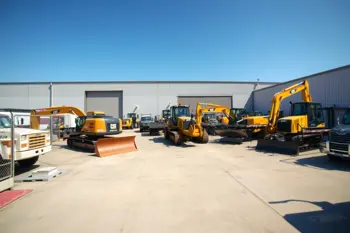
For industrial operators seeking alternative fleet acquisition pathways, tracking down seized construction equipment on sale has become an increasingly vital logistical avenue. The legal systems in various global jurisdictions regularly coordinate the seizure, forfeiture, and repossession of heavy machinery when owners default on commercial obligations or violate regulatory rules. These high-value assets are eventually placed back into the commercial sphere through public bidding channels. This structured framework offers an objective pathway for businesses to explore capital-intensive machinery without relying on standard retail inventories.
The Legal Framework of Asset Forfeiture and Repossession
The mechanisms that bring heavy machinery to public sales are deeply rooted in corporate defaults, tax enforcement, or civil asset forfeitures. In civil law, a creditor may execute a writ for levy of property, which formally authorizes a local sheriff or law enforcement officer to seize and liquidate a debtor's physical assets to satisfy outstanding construction or contract debts 1. This direct legal process shifts ownership of the machinery to designated custodians who must clear all outstanding titles and convert physical inventory back into liquid capital for creditors.
Corporate distress also frequently results in court-ordered receiverships where operational machinery must be liquidated. In these instances, a court-appointed receiver manages the liquidation of a business's operational footprint, which can range from plate rolls and industrial ironworkers to heavy transport trailers and diesel lift trucks 2. Similarly, default under an operating line or distributor financing agreement can trigger a public sale under Section 9-610 of the Uniform Commercial Code (UCC) 3. This occurs when major manufacturers exercise first-priority security interests over a dealer's entire inventory after default.
Government and Law Enforcement Liquidation Platforms
Public agencies at municipal, state, and federal levels maintain established portals to dispose of forfeited, seized, and surplus state property. Federal disposal programs utilize centralized portals like GSA Auctions to liquidate diverse portfolios that often include heavy-duty digger derricks, municipal snow plows, and heavy-duty trailers 4. These items are cleared through specialized compliance pipelines to ensure all governmental liens and federal obligations are resolved before public release.
At the state level, surplus property offices manage the direct sale of surplus state property, distributing federal equipment to municipal entities or listing them on state portals 5. Online systems such as the Illinois iBid portal allow registered buyers to bid on everything from utility vehicles and generators to hand tools and specialized agricultural equipment 6. These platforms operate under strict guidelines where physical viewing is restricted to virtual catalogs, and bidding is conducted entirely online.
Commercial Auction Portals and Case Profiles
When court-appointed receivers and secured parties seek to liquidate large fleets, they frequently partner with established commercial auction companies. Leading industrial auctioneers manage both timed and live-webcast events that attract regional and international bidding pools 7. These events often consolidate machinery from major business closures, complete quarry liquidations, or secured party actions, putting thousands of high-value lots up for bid. Recent auction data highlights the scale and diversity of assets cleared through these channels:
| Auctioneer / Channel | Primary Location | Featured Equipment & Assets |
|---|---|---|
| Alex Lyon & Son Auctions 8 | Richmond, Virginia | Vacuum pump trucks, hydraulic excavators, rubber-tired loaders, and utility service trucks. |
| Powell Auction & Realty, LLC 9 | Knoxville, Tennessee | Police seizure items, farm equipment, skid steers, and heavy transportation trailers. |
| Holland Industrial Group 7 | Dominican Republic | Late-model earthmoving equipment, water tanks, and infrastructure development machinery. |
This structured distribution method allows industrial entities to quickly absorb capital-intensive assets. The logistics of these sales, however, require detailed coordination, as buyers are solely responsible for local taxes, transport, and third-party shipping arrangements 9.
Recovery of Stolen Assets and Criminal Seizures
A significant portion of seized construction equipment originates from criminal investigations, specifically the recovery of stolen property from rural and industrial sites. Law enforcement agencies regularly conduct targeted operations to recover high-value machinery. In Brazeau County, police executed search warrants to recover excavators, bulldozers, skid steers, and semi-tractors linked to sixteen separate theft cases 10. Such investigations often rely on advanced aerial surveillance and drone support to identify hidden or modified machinery on remote properties.
Similarly, a joint investigation in Rocky View County successfully recovered approximately half a million dollars in stolen heavy machinery, including compact excavators, skid steers, and flatbed trailers 11. When stolen machinery is recovered, law enforcement works to identify the original owners. If the original owners cannot be located, or if the assets are legally forfeited, these items are eventually sent to public auctions to clear storage yards and fund operations.
Government Redeployment and Non-Auction Alternatives
In some instances, governments choose not to sell seized construction machinery to the public. Instead, they redeploy these assets directly into national infrastructure or environmental recovery programs. For example, during anti-illegal mining operations in Ghana, the Ministry for the Interior coordinated the seizure of heavy excavators from unauthorized sites 12. Rather than putting these machines up for sale, the government chose to redeploy seventy of the seized excavators to the National Disaster Management Organisation.
These redeployed machines were utilized for a nationwide desilting exercise aimed at clearing vital drainage channels and flood-prone waterways in major municipal centers 12. This alternative approach demonstrates how state organizations can directly utilize confiscated machinery to address public safety concerns, bypass procurement lag times, and reduce municipal capital expenditures without introducing the equipment to commercial auction blocks.
Operational Risks and Buyer Due Diligence
While purchasing seized or forfeited machinery presents a potential alternative to high retail pricing, it carries inherent structural and operational risks. Virtually all seized equipment is sold on an as-is, where-is basis, with no warranties, guarantees, or return policies 13. Buyers must recognize that these machines are often seized from distressed businesses or illegal operations where regular preventative maintenance was neglected.
A common issue with abandoned or poorly maintained equipment is severe mechanical wear, such as a seized pin caused by missed grease applications 14. Resolving these hidden defects requires costly and labor-intensive procedures, such as heating the components from the inside to slowly free the moving parts. Furthermore, bidding on these assets typically incurs a standard buyer's premium, which can add up to fifteen percent to the final hammer price, alongside applicable regional sales taxes 9. Prospective buyers must factor in these additional fees, together with potential transportation and repair costs, to accurately evaluate the total cost of acquisition.
Sources
- Contracts Specialist Law Firm
- CIA Industrial
- DailyDAC
- GSA Auctions
- South Carolina Department of Administration
- iBid State of Illinois Online Auction
- PR Newswire - Holland Industrial Group
- Alex Lyon & Son Auctions
- Powell Auction & Realty, LLC
- Edmonton CityNews
- Calgary CityNews
- MyJoyOnline
- JD Auction
- LinkedIn - Mid-North Equipment