Inspiring Makeover Ideas for Your Small Backyard
A small backyard isn't a drawback; it's an opportunity for clever design. With the right approach, even the most compact outdoor area can become a cherished extension of your home, perfect for relaxing, entertaining, or gardening. The key is to think smart about space, scale, and function, turning limitations into stylish features.
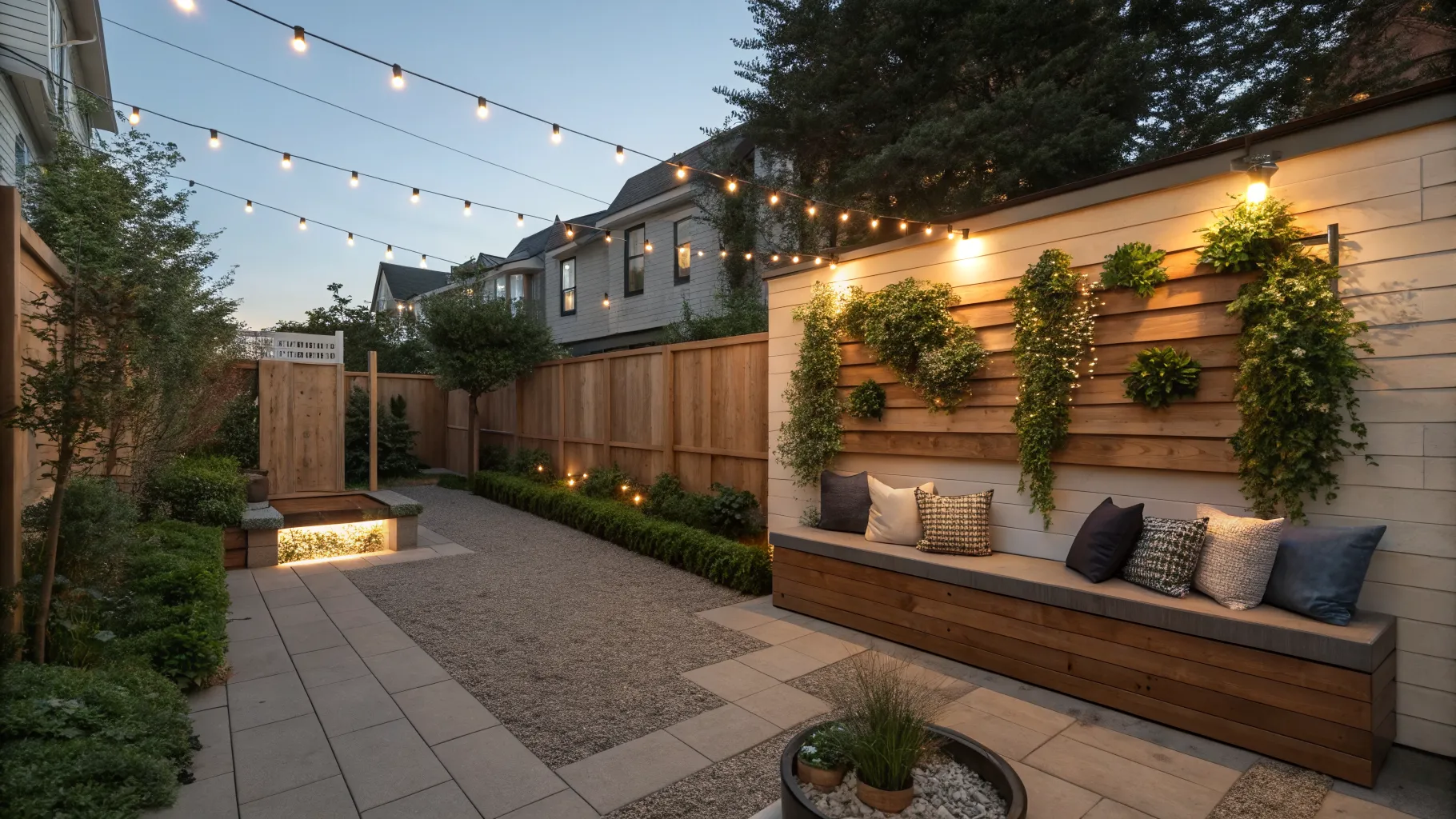
Maximize Space with Vertical Gardening
When you can't build out, build up. Vertical gardening is a transformative technique for small yards, allowing you to use walls and fences as a canvas for lush greenery. This approach involves using structures like trellises, wall-mounted planters, and hanging baskets to grow plants upwards, freeing up valuable floor space for other uses.
This method not only adds a vibrant, living element to your yard but can also serve practical purposes. A wall covered in climbing vines or a series of planters can create a natural privacy screen from neighbors. It's also an excellent way to cultivate a small herb or vegetable garden without needing traditional garden beds, bringing fresh ingredients right to your doorstep.
Choose Smart Seating Solutions
Furniture can easily overwhelm a small space, so choosing the right pieces is crucial. Opt for furniture that is proportional to the size of your yard. Consider multi-functional items, such as benches with built-in storage or ottomans that can double as tables. Foldable or stackable chairs and tables are also excellent options, as they can be easily stored away when you need more open space.
The arrangement of your seating is just as important as the pieces themselves. Tucking a slim bench into a corner can create a cozy nook without disrupting traffic flow. An L-shaped built-in bench along the perimeter can provide ample seating while defining the edge of a patio or deck, making the central area feel more open and usable.
Create Distinct Zones
Dividing a small yard into distinct zones can paradoxically make it feel larger and more organized. By designating separate areas for different activities, such as lounging, dining, and planting, you create a more dynamic and functional space. This approach adds a sense of purpose and flow, preventing the yard from feeling like a single, cluttered area.
You can define these zones without building walls. Use different materials on the ground, such as wood decking for a seating area and gravel or pavers for a pathway. An outdoor rug can instantly anchor a conversation set, while a cluster of large planters can serve as a soft boundary between a grilling station and a small garden patch.
Incorporate Illusions of Space
Visual tricks can have a major impact on the perception of space in a small backyard. One of the most effective techniques is to use mirrors. Placing a large, weatherproof mirror on a fence or wall can reflect light and greenery, creating an illusion of depth and making the yard feel more expansive. It can trick the eye into thinking the garden continues beyond its actual boundary.
Lighting also plays a vital role. Well-planned outdoor lighting can add depth and drama after sunset, extending the usability of your backyard. Use a variety of sources, such as string lights overhead for ambiance, uplighting to highlight a feature tree or plant, and path lights to guide the way. This layering of light creates visual interest and makes the space feel more intimate and magical.
Select Plants Strategically
The right plants can make or break a small garden design. Avoid large, sprawling trees or shrubs that will quickly outgrow the space and cast too much shade. Instead, focus on dwarf varieties of your favorite plants, slender columnar trees, and climbing vines that grow upwards rather than outwards. Pay attention to foliage texture and color to create visual interest without relying on a large number of plants.
When planning your planting, consider these strategies:
- Stick to a limited color palette for flowers to create a cohesive, uncluttered look.
- Use containers and pots of various sizes to add height and layers to your garden.
- Place darker-leaved plants in the foreground and lighter ones in the background to create a sense of depth.
- Choose low-maintenance plants if you prefer to spend more time relaxing than gardening.
Add an Eye-Catching Focal Point
Every good design needs a focal point to draw the eye and anchor the space. In a small yard, a single, well-chosen feature can provide structure and prevent the design from feeling scattered. This doesn't have to be something large or expensive; it just needs to be visually compelling and proportional to the area.
Your focal point could be a small, bubbling water feature, whose gentle sound can also help mask neighborhood noise. Other options include a compact, modern fire pit for evening gatherings, a unique piece of sculpture, or a particularly striking plant in a beautiful, oversized pot. Arrange your seating and other elements around this central feature to create a harmonious and inviting composition.