9 Beautiful Indoor Plants That Are Completely Safe for Cats
For many people, indoor plants are a non-negotiable part of home decor, bringing life, color, and a touch of nature indoors. When you share your home with a curious cat, however, that beautiful foliage can pose a hidden risk. Many common houseplants are toxic to felines if ingested, leading to a range of health issues. Fortunately, you don't have to choose between your love for plants and the safety of your pet. A wide variety of stunning, easy-to-care-for plants are perfectly safe for your furry companions.
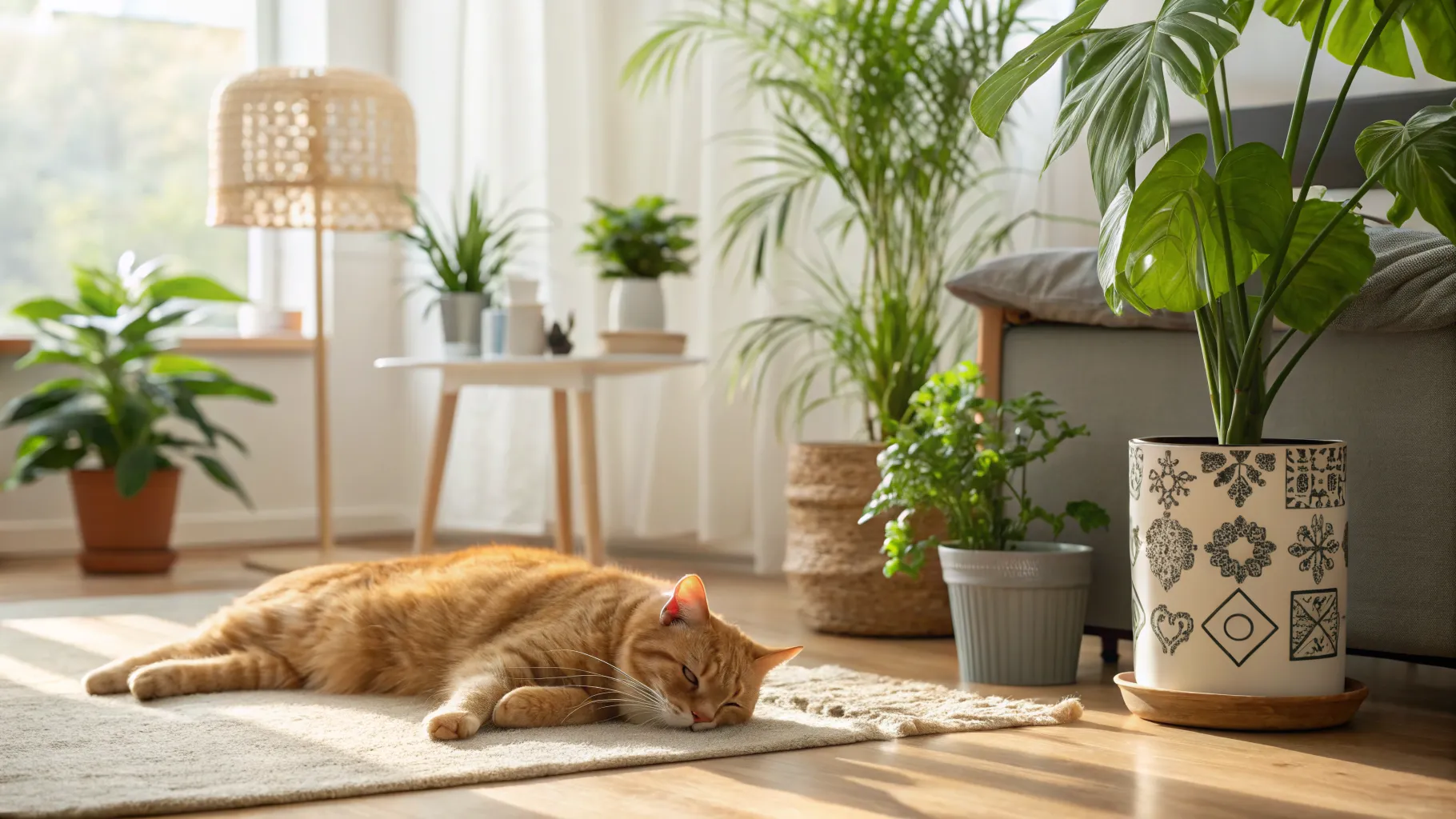
Why Choosing Cat-Safe Plants Is Crucial
Cats are naturally inquisitive creatures. They love to explore their environment with their paws, noses, and, unfortunately, their mouths. A dangling leaf or a rustling frond can be an irresistible toy for a playful cat, often leading to a nibble or a full-on chew. While this behavior is normal, it can be dangerous if the plant in question contains toxic compounds.
The effects of ingesting a toxic plant can range from mild oral irritation and stomach upset to severe issues like kidney failure or worse. Since it's nearly impossible to watch your pet every second of the day, the most effective way to prevent an accidental poisoning is to fill your home exclusively with plants that are certified as non-toxic to cats. This proactive approach gives you peace of mind and allows your cat to roam freely without risk.
9 Popular and Stylish Cat-Friendly Houseplants
Here are nine wonderful houseplants that add beauty to your space without posing a threat to your cat.
1. Spider Plant (Chlorophytum comosum)
A classic for a reason, the spider plant is incredibly resilient and a fantastic air purifier. Its arching leaves and dangling 'spiderettes' (baby plants) are often attractive to cats for a playful bat, and you can rest easy knowing they are completely harmless. They are easy to care for, thriving in a variety of light conditions.
2. Areca Palm (Dypsis lutescens)
If you want to create a tropical vibe, the Areca Palm is an excellent choice. Its feathery, arching fronds are dramatic and elegant. This plant is non-toxic to cats and dogs, making it a perfect pet-friendly statement piece for a bright corner in your home.
3. Boston Fern (Nephrolepis exaltata)
With their lush, shaggy fronds, Boston Ferns add a touch of woodland charm to any room. They are completely safe for cats, who may enjoy batting at their gentle leaves. These ferns love humidity and indirect light, making them ideal for bathrooms or kitchens.
4. Calathea (Prayer Plant family)
Calatheas are famous for their stunning, ornate leaves that often feature intricate patterns of green, pink, and cream. Often called 'Prayer Plants' because their leaves fold up at night, they are a fascinating and beautiful addition to your home. The entire Calathea family is non-toxic to felines.
5. Money Tree (Pachira aquatica)
Often featuring a braided trunk, the Money Tree is another popular, pet-safe option. It's considered a symbol of good luck and prosperity. Its bright green, palmate leaves are well out of reach on taller specimens, but even if your cat manages a nibble, this plant is not harmful.
6. Haworthia (Zebra Plant)
For those who love the look of succulents, the Haworthia is a fantastic, cat-safe alternative to potentially toxic ones like Aloe Vera. Its striking, striped appearance gives it the 'Zebra Plant' nickname. It is a small, slow-growing succulent that is very low-maintenance.
7. Orchid (Phalaenopsis)
Elegant, beautiful, and sophisticated, orchids are a surprisingly pet-friendly choice for a flowering plant. While you probably don't want your cat chewing on the delicate blooms, Phalaenopsis orchids are non-toxic and safe to have in a home with curious pets.
8. Peperomia (Radiator Plant)
The Peperomia genus is a huge family of plants, and the good news is that most common varieties, like the Watermelon Peperomia, are non-toxic. They are generally compact, easy-care plants with interesting foliage, making them a versatile choice for any home.
9. Cast Iron Plant (Aspidistra elatior)
As its name suggests, the Cast Iron Plant is nearly indestructible. It can tolerate low light, infrequent watering, and general neglect, making it perfect for beginners or those with less-than-ideal growing conditions. Best of all, its tough, dark green leaves are completely safe for cats.
Common Houseplants That Are Toxic to Cats
Just as important as knowing which plants are safe is knowing which ones to avoid. Many of the most popular houseplants are unfortunately toxic to cats. If you have a cat, it is best to avoid these plants or keep them in a room that your pet cannot access under any circumstances.
Some of the most common plants to keep away from your feline friends include:
- Lilies (All parts of the plant are extremely toxic and can be fatal)
- Pothos (Devil's Ivy)
- Philodendron
- Snake Plant (Sansevieria)
- Dieffenbachia (Dumb Cane)
- Sago Palm
- Jade Plant
- Aloe Vera
Signs of Plant Poisoning in a Cat
Even with the best precautions, accidents can happen. If you suspect your cat may have ingested part of a toxic plant, it's important to recognize the signs of poisoning. While symptoms vary depending on the plant, some common indicators should prompt immediate action.
Look out for any of the following symptoms:
- Vomiting and diarrhea
- Excessive drooling or foaming at the mouth
- Difficulty breathing or swallowing
- Lethargy, weakness, or stumbling
- Loss of appetite
- Swelling of the mouth or tongue
What to Do If You Suspect Your Cat Ate a Toxic Plant
If you see your cat eating a plant you know is toxic, or if they begin to show any symptoms of poisoning, it's crucial to act quickly and calmly. First, gently remove any remaining plant material from your cat's mouth and paws. Do not try to induce vomiting unless specifically instructed to by a professional.
Your next step should be to contact your veterinarian or an animal poison control center immediately. If possible, take a photo of the plant or bring a sample with you to the vet. This will help them identify the toxin and determine the best course of treatment for your pet. Fast action can make a significant difference in the outcome.
Creating a Safe Environment for Plants and Pets
Living with both cats and plants can be a rewarding experience with a little planning. Even with safe plants, you might want to discourage your cat from treating them like a salad bar to keep your plants looking their best. Consider placing plants on high shelves or in hanging baskets that are out of your cat's reach.
Another effective strategy is to provide your cat with their own designated plant to chew on. Cat grass (typically made from oat, rye, or wheat grass) is a safe and healthy alternative that can redirect their chewing instincts away from your decorative houseplants. Providing plenty of toys and enrichment can also keep your cat entertained and less likely to bother your plants out of boredom.