How Spa Salons Create the Ultimate Relaxation Experience
In our fast-paced world, finding a true escape to unwind and recharge is more valuable than ever. Spa salons are designed specifically for this purpose, offering a haven where stress melts away and rejuvenation begins. They achieve this through a carefully curated combination of therapeutic treatments, serene environments, and professional expertise, all working together to soothe the mind, body, and spirit.
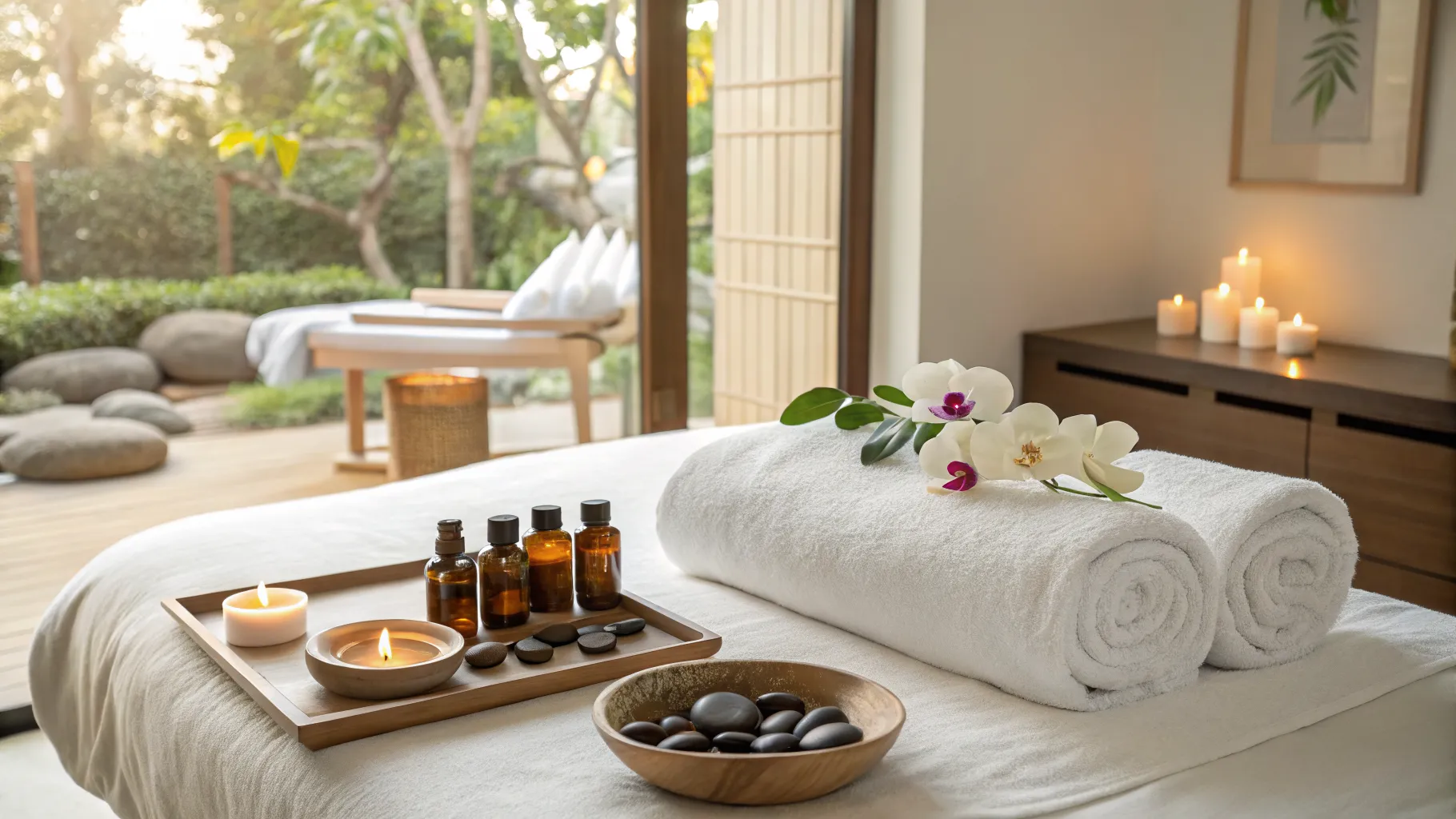
The Power of Ambiance and Sensory Details
The relaxation journey at a spa salon begins the moment you walk through the door. The environment is meticulously crafted to engage the senses in a calming way. Soft, ambient lighting, often with dimmable fixtures and natural elements, helps to lower stress levels. This is frequently paired with tranquil music or natural sounds, like flowing water or gentle chimes, which help to quiet the mind and block out the noise of the outside world.
Aromatherapy is another key component. The subtle scent of essential oils such as lavender, chamomile, or eucalyptus can have a profound effect on mood. These scents are often diffused throughout the facility, creating a consistent atmosphere of peace. Combined with a commitment to quiet, including designated quiet zones and policies against loud conversations, the ambiance becomes a powerful tool for inducing a state of deep calm before any treatment even begins.
Foundational Relaxation: Massage Therapies
Massage is often the cornerstone of the spa experience, and for good reason. It involves the systematic manipulation of the body's soft tissues to relieve tension, improve circulation, and promote overall wellness. Spas typically offer a wide variety of massage styles to suit different needs and preferences. Some common options include Swedish massage, known for its long, flowing strokes, and deep tissue massage, which targets deeper layers of muscle to release chronic knots.
Beyond these, you might find hot stone massage, where heated stones are placed on the body to warm and relax muscles, or aromatherapy massage, which incorporates essential oils into the massage lotion. Regardless of the specific technique, a professional massage can help reduce levels of the stress hormone cortisol while increasing levels of dopamine and serotonin, which contribute to feelings of happiness and well-being. This physical release of tension often leads to significant mental and emotional relief.
Rejuvenating Body Treatments and Wraps
While massage focuses on muscle tension, body treatments are designed to nurture the skin, which is the body's largest organ. These services often involve exfoliation, hydration, and detoxification, leaving you feeling refreshed from head to toe. Body scrubs, for example, use materials like sea salt, sugar, or coffee grounds to gently slough away dead skin cells, revealing smoother, more radiant skin underneath.
Body wraps are another popular offering. During a wrap, the body is coated with a beneficial ingredient, such as nutrient-rich mud, detoxifying clay, or hydrating algae, and then wrapped in warm blankets. This process helps the skin absorb the ingredients while promoting detoxification through perspiration. Common types of body treatments include:
- Seaweed Wraps: Aimed at detoxifying and nourishing the skin with minerals.
- Mud Wraps: Often used to ease muscle and joint discomfort while pulling out impurities.
- Herbal Wraps: Involve cloths soaked in herbal infusions to soothe and heal the skin.
- Moisturizing Wraps: Focus on deeply hydrating dry or dehydrated skin with rich creams and oils.
The Role of Hydrotherapy and Heat
Water-based therapies, collectively known as hydrotherapy, are a staple in many spa salons. The use of water at varying temperatures can have significant therapeutic effects. Facilities may include features like whirlpools, hydrotherapy jets, steam rooms, and saunas. Soaking in a warm whirlpool can help relax muscles and improve circulation, preparing the body for a massage or other treatment.
Steam rooms and saunas use heat to induce sweating, which helps to flush toxins from the body. The moist heat of a steam room can be beneficial for the respiratory system, while the dry heat of a sauna provides a different kind of deep, penetrating warmth. Many spas also offer contrast therapy, encouraging guests to alternate between hot (sauna) and cold (a cool shower or cold plunge pool) to invigorate the body and boost circulation and immunity.
Skincare as a Form of Relaxation
Facials and other advanced skincare services are not just about cosmetic improvement; they are also deeply relaxing experiences. The process itself encourages you to lie still, close your eyes, and receive gentle, focused touch. A professional esthetician will typically begin with a gentle cleansing, followed by exfoliation, steam, and extractions if needed.
The most relaxing part for many is the facial massage, which can help relieve tension in the forehead, jaw, and neck. The application of serums, masks, and moisturizers is done with deliberate, soothing strokes. The combination of calming scents, soft music, and gentle touch can easily lull you into a state of near-meditation, making a facial a powerful tool for both skin health and mental peace.
Creating a Complete Holistic Experience
The ultimate relaxation at a spa salon comes from the holistic approach that ties everything together. Beyond the treatment rooms, spas often feature dedicated relaxation lounges where guests can rest before or after their services. These lounges typically offer comfortable seating, warm blankets, and complimentary refreshments like herbal tea, fruit-infused water, and light, healthy snacks.
The professionalism and attentiveness of the staff are also crucial. Well-trained therapists, estheticians, and support staff contribute to a seamless and stress-free experience. They guide guests through the process, customize treatments to individual needs, and maintain a quiet, respectful environment. This comprehensive attention to detail ensures that a visit to a spa salon is more than just a series of treatments; it is a complete, immersive escape designed for total rejuvenation.