A Guide to Game Skin Trading Marketplaces in 2026
The world of in-game cosmetic items, or 'skins', has grown into a multi-billion dollar industry. While many players acquire skins directly through games, a vibrant secondary market has emerged. This guide explores the landscape of game skin trading marketplaces as we look toward 2026, offering insights into how they operate, what to look for, and potential future trends.
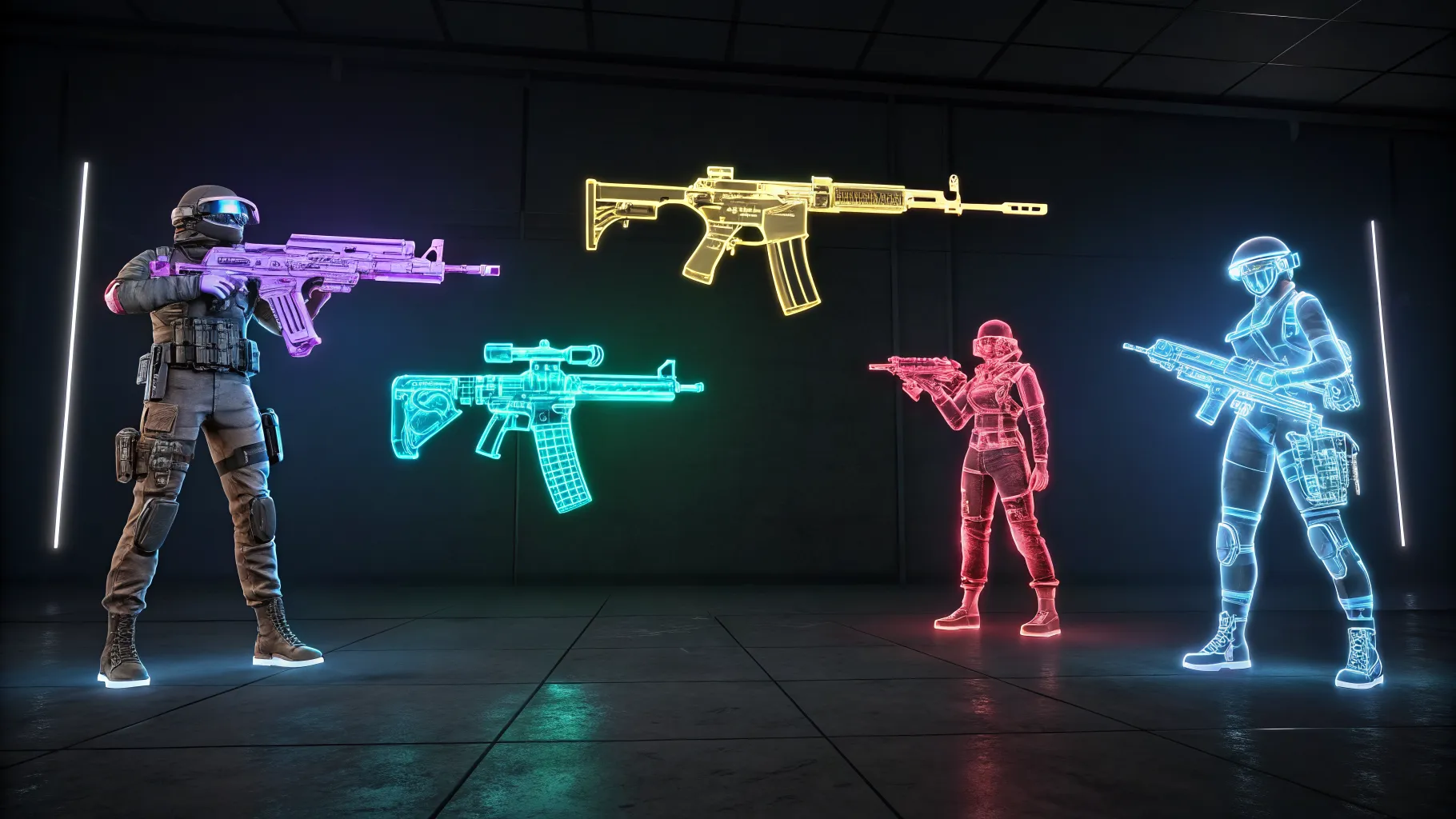
What Are Game Skin Trading Marketplaces?
Game skin trading marketplaces are third-party websites and platforms that facilitate the buying, selling, and trading of virtual in-game items. These items are typically cosmetic and do not affect gameplay, such as character outfits or weapon finishes. These platforms operate independently of the game developers and official in-game stores, creating a player-driven economy for digital goods.
Users turn to these marketplaces for several reasons. For some, it's a way to 'cash out' their inventory, converting digital items into real-world currency. For others, it's an opportunity to acquire rare or discontinued items that are no longer available in the game's official store. Often, these platforms offer more competitive pricing and a wider selection than the official markets, which may have price limits or other restrictions.
Key Features to Look for in a Marketplace
When evaluating a skin trading marketplace, several key features determine its usability and reliability. A clean, intuitive user interface is paramount. You should be able to easily search for specific items, filter results by price or rarity, and view your own inventory without confusion. The overall experience should be smooth and professional.
Beyond aesthetics, practical features are crucial. It's important to understand the platform's fee structure and payment options. Here are some things to consider:
- Transaction Fees: Most platforms charge fees. These can include a commission on sales, a fee for depositing funds, or charges for withdrawing money. These should be clearly stated.
- Payment and Withdrawal Methods: A reputable site will offer a variety of secure payment and withdrawal options, such as bank transfers, credit cards, and popular digital wallets. Some are also integrating cryptocurrency options.
- Supported Games: Check which games the platform supports. While some specialize in a single game, many larger marketplaces support items from a wide range of popular titles.
- Price History and Data: Transparent platforms often provide historical sales data for items, allowing users to gauge market trends and make informed decisions about pricing.
Understanding Security and Trustworthiness
Security is the most critical aspect of using a third-party trading site. Because you are dealing with valuable digital assets, it is essential to choose a platform with robust security measures. Always look for mandatory Two-Factor Authentication (2FA) for logging in and confirming trades. This adds a vital layer of protection to your account.
A platform's reputation and history are also strong indicators of its trustworthiness. Look for established marketplaces that have been operating for several years and have a large, active user base. Read independent reviews and see what other users are saying about their experiences with customer support, transaction speed, and overall reliability. Be cautious of new, unproven sites that offer deals that seem too good to be true.
The Role of Item Verification and Pricing
The value of a game skin is determined by a combination of factors, including its rarity, visual appeal, wear level (in games like Counter-Strike 2), and current market demand. Reputable marketplaces provide tools and data to help users understand an item's value. They often have a dynamic pricing system that reflects recent sales and market trends.
To facilitate secure transfers, most platforms use an automated system involving trade bots. When you list an item for sale or purchase one, you will typically be prompted to complete a trade with one of the platform's official bots. This system verifies that the correct item is being exchanged and automates the transfer process, which helps protect both the buyer and the seller from manual trade scams.
Common Pitfalls and How to Avoid Them
The unregulated nature of skin trading can attract malicious actors. One of the most common threats is phishing. Scammers may create fake websites that mimic legitimate marketplaces or send you fake trade offers through the game's platform, hoping to steal your login credentials or valuable items. Always double-check website URLs and never log in through a link sent by an unknown user.
Another pitfall involves hidden fees or complicated withdrawal processes. Before depositing funds or items, carefully read the platform's terms of service to understand all potential charges. Additionally, some platforms may have very slow customer support, which can be frustrating if you encounter an issue with a transaction. Researching user reviews about a platform's support response times can save you significant trouble later on.
The Future Outlook for Skin Trading in 2026
The landscape of skin trading is expected to continue evolving. One significant trend is the growing integration of blockchain technology and Non-Fungible Tokens (NFTs). This could lead to a future where digital item ownership is more secure, transparent, and not tied to a single game's ecosystem. A skin could become a verifiable asset that you truly own and can trade on decentralized marketplaces.
We may also see more game developers and publishers stepping into the space. Instead of fighting third-party markets, some may choose to create their own sophisticated, official trading systems that offer more flexibility than current models. This could include allowing players to trade directly for real-world currency within a secure, developer-sanctioned environment, potentially changing the role of the third-party platforms that dominate the market today.