Understanding Hardwood Floor Installation Cost Per Square Foot
Fast Facts:
- New hardwood floors significantly boost home value.
- Average hardwood floor installation cost varies by region.
- DIY attempts can often lead to higher overall wood floor installation cost due to errors for homeowners.
Decoding Hardwood Floor Installation Cost Per Square Foot
Embarking on a home renovation often brings the question of flooring. For many, the timeless appeal of hardwood makes it a top choice. However, understanding the true hardwood floor installation cost per square foot is paramount for any homeowner planning a flooring project. This introductory section will delve into the primary elements that dictate the overall cost of hardwood floors, from the initial material selection to the intricate labor involved. We aim to provide a comprehensive overview that empowers you to make informed decisions, ensuring your investment aligns with both your aesthetic desires and your financial parameters. The decision to install hardwood flooring is a significant one, and a clear grasp of the associated expenditures is the first step towards a successful and satisfying outcome for your home.
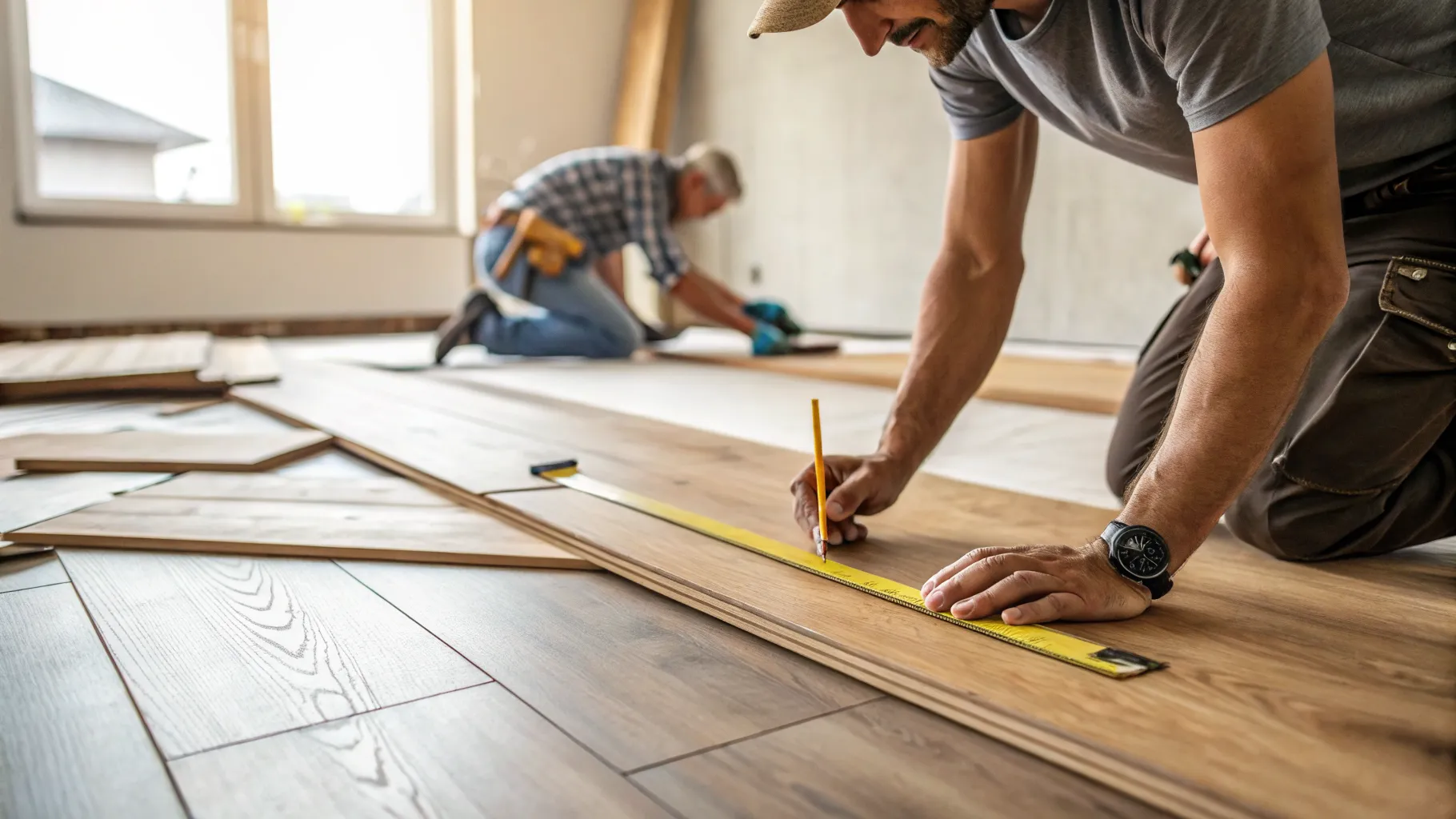
Key Factors Influencing Your Wood Floor Installation Cost
Several critical factors converge to determine the final wood floor installation cost. These elements include the type of wood selected, the complexity of the installation process, regional labor rates, and any necessary subfloor preparation. Exotic hardwoods or engineered options with specific finishes often command higher material prices compared to common domestic varieties. Furthermore, the installation method—whether nail-down, glue-down, or floating—can impact both the labor time and the specialized tools required, directly affecting the total flooring project budget. Understanding these variables allows for a more accurate estimation and helps in anticipating potential expenses before the project begins.
Breakdown of Material and Labor Costs for Hardwood Flooring
The material and labor costs represent the two largest components of your overall hardwood floor installation cost per square foot. Material costs are influenced by the wood species (oak, maple, cherry, etc.), board width and thickness, pre-finished versus unfinished options, and the quality grade. Premium materials inherently come with a higher price tag. Labor costs, on the other hand, encompass the professional fees for installers, which can vary significantly based on local market rates, the installer's experience, and the difficulty of the job. For instance, intricate patterns like herringbone or chevron will demand more specialized skill and time, thereby increasing labor expenses. It's essential to obtain detailed quotes that itemize both material and labor to fully comprehend where your investment is going and ensure you're getting competitive square foot pricing.
Exploring Different Hardwood Flooring Types and Their Price Points
When considering the cost of hardwood floors, the choice of flooring type is a primary driver. Solid hardwood, a classic and durable option, typically comes at a higher initial price but offers the benefit of multiple refinishes over its lifespan. Engineered hardwood, composed of multiple layers with a real wood veneer, is generally more budget-friendly and offers greater stability in fluctuating humidity levels. Beyond these, specialty woods like bamboo or cork also present unique price points and installation considerations. Each type has distinct advantages and disadvantages concerning durability, maintenance, and aesthetic appeal, all of which contribute to the varied hardwood flooring installation cost. Homeowners must weigh these factors against their long-term goals and lifestyle to select the most appropriate and cost-effective solution.
Estimating Your Flooring Project Budget: Tips for Accuracy
Accurately estimating your flooring project budget requires careful planning and attention to detail. Beyond the basic hardwood floor installation cost per square foot, it's crucial to account for additional expenses such as subfloor repairs, old flooring removal and disposal, trim and molding installation, and potential unforeseen issues. Always measure your space accurately, adding a 5-10% allowance for cuts and waste. Obtaining multiple bids from reputable contractors is also invaluable, as it provides a clearer picture of competitive labor and material costs in your area. Don't shy away from asking for detailed breakdowns of quotes, ensuring all potential charges are transparently laid out. This proactive approach helps prevent budget overruns and ensures a smoother installation process for your new wood floor installation.
Navigating the Installation Process: What to Expect
Understanding the installation process can help manage expectations regarding your hardwood floor installation cost per square foot and overall project timeline. The process typically begins with acclimatization of the wood, followed by subfloor preparation, which might include leveling or repairing existing damage. The actual installation involves laying the planks according to the chosen method (nail-down, glue-down, or floating). After installation, finishing touches like sanding, staining, and sealing might be applied, depending on whether you chose pre-finished or unfinished wood. Each stage requires specific expertise and time, contributing to the total cost of hardwood floors. Open communication with your installer about the timeline and potential disruptions is key to a successful project.
Actionable Advice for Minimizing Hardwood Floor Installation Costs
- Source Multiple Quotes: Always get at least three detailed bids from different contractors to compare hardwood flooring installation cost and identify the best value.
- Consider Off-Peak Seasons: Scheduling your wood floor installation during slower periods for contractors (e.g., late winter, early spring) might result in more competitive pricing.
- DIY Demolition: If you're physically capable, removing your old flooring yourself can reduce the overall flooring project budget by cutting down on labor costs.
- Choose Standard Wood Species: Opting for common domestic woods like oak or maple can significantly lower your material and labor costs compared to exotic or rare species.
- Buy Materials Separately: Sometimes, purchasing the hardwood planks from a wholesaler or discount supplier can reduce the square foot pricing, but ensure compatibility with your installer.
Frequently Asked Questions
What is the average hardwood floor installation cost per square foot?
The average hardwood floor installation cost per square foot typically ranges from $6 to $12 for professional installation, including both materials and labor, though this can vary significantly based on wood type and regional rates.
How does wood species affect the cost of hardwood floors?
The wood species dramatically impacts the cost of hardwood floors. Common domestic woods like oak or maple are generally more affordable, while exotic woods such as Brazilian cherry or tigerwood command higher prices due to their rarity and unique characteristics.
Is it cheaper to install pre-finished or unfinished hardwood?
Generally, pre-finished hardwood is more expensive upfront in terms of material cost, but it saves on labor for on-site sanding, staining, and finishing. Unfinished hardwood is cheaper per square foot but requires additional labor for finishing, which can often make the total hardwood flooring installation cost comparable or even higher.
What factors contribute to high labor and material costs?
High labor and material costs can stem from several factors, including complex installation patterns (e.g., herringbone), extensive subfloor preparation, removal of old flooring, the use of premium or exotic wood species, and installation in hard-to-reach areas or multiple small rooms.
How can I save on my flooring project budget without compromising quality?
To save on your flooring project budget without compromising quality, consider standard wood species, get multiple contractor quotes, undertake minor DIY tasks like old floor removal, and inquire about any available discounts or sales on materials. Ensuring your subfloor is in good condition beforehand also prevents unexpected repair costs.
References
- National Wood Flooring Association (NWFA)
- HomeAdvisor Cost Guides
- Remodeling Magazine Cost vs. Value Report
- Consumer Reports Home Improvement Guides
- Local Flooring Contractor Surveys