A Guide to Understanding Asphalt Driveway Paving Costs
An asphalt driveway can be a durable and cost-effective option for many homeowners, but understanding the final price requires looking at several key variables. The cost isn't just about the blacktop itself; it involves preparation, labor, and the specific conditions of your property. This guide will break down the components of asphalt paving costs to help you budget for your project.
Key Factors Influencing Overall Cost
The most significant factor in determining the price of an asphalt driveway is its size. Costs are typically calculated per square foot, so a long, wide driveway will naturally cost more than a short, narrow one. Accurately measuring the length and width of the proposed area is the first step in estimating your budget.
Beyond size, the thickness of the asphalt plays a crucial role. A standard residential driveway usually requires two to three inches of compacted asphalt. However, if you have heavy vehicles like an RV or a large truck, a thicker layer may be recommended for added durability, which will increase the material cost. The condition of the existing ground is also critical. A project that requires significant excavation, grading, or removal of an old driveway will have higher labor and disposal costs than paving on a pre-prepared, level surface.
Breaking Down Material and Labor Prices
The total quote from a paving contractor is generally a mix of material costs and labor charges. Asphalt is a petroleum-based product, so its price can fluctuate with oil markets. Your contractor purchases the hot mix asphalt from a local plant, and the cost they pay is passed on to you. This is one reason why prices can vary from one season to another or between different regions.
Labor is the other major component. This covers the wages for the entire crew, from the foreman to the equipment operators. It also includes the use of specialized, heavy machinery like dump trucks, pavers, and rollers. A professional installation is labor-intensive, involving site preparation, grading, asphalt laying, and compacting. Geographic location heavily influences labor rates, with prices often being higher in urban areas compared to rural locations.
The Importance of a Proper Foundation
An asphalt driveway is only as good as the foundation it's built on. A stable, well-draining sub-base is essential for preventing cracks, sinking, and other forms of premature failure. This foundation is typically made of compacted crushed rock or gravel, and its installation is a critical part of the overall project cost.
If you're installing a new driveway, the process involves excavating several inches of soil to create space for this aggregate base. The area must then be graded properly to ensure water drains away from your home's foundation. If you're replacing an old driveway, the cost will include the demolition and removal of the old material before the new base can be laid. Skipping or skimping on this step is one of the biggest mistakes a homeowner can make, as a poor foundation will drastically shorten the lifespan of the new asphalt surface.
Optional Features That Affect the Price
While a basic rectangular driveway has a straightforward cost, several optional features can enhance its appearance and functionality, but also add to the final bill. These upgrades can be discussed with your contractor to see what fits your needs and budget.
- Sealcoating: While not always done immediately, applying a sealant a few months after installation and every few years thereafter protects the asphalt from water, oil, and UV damage. Some contractors may bundle the initial sealcoating into their quote.
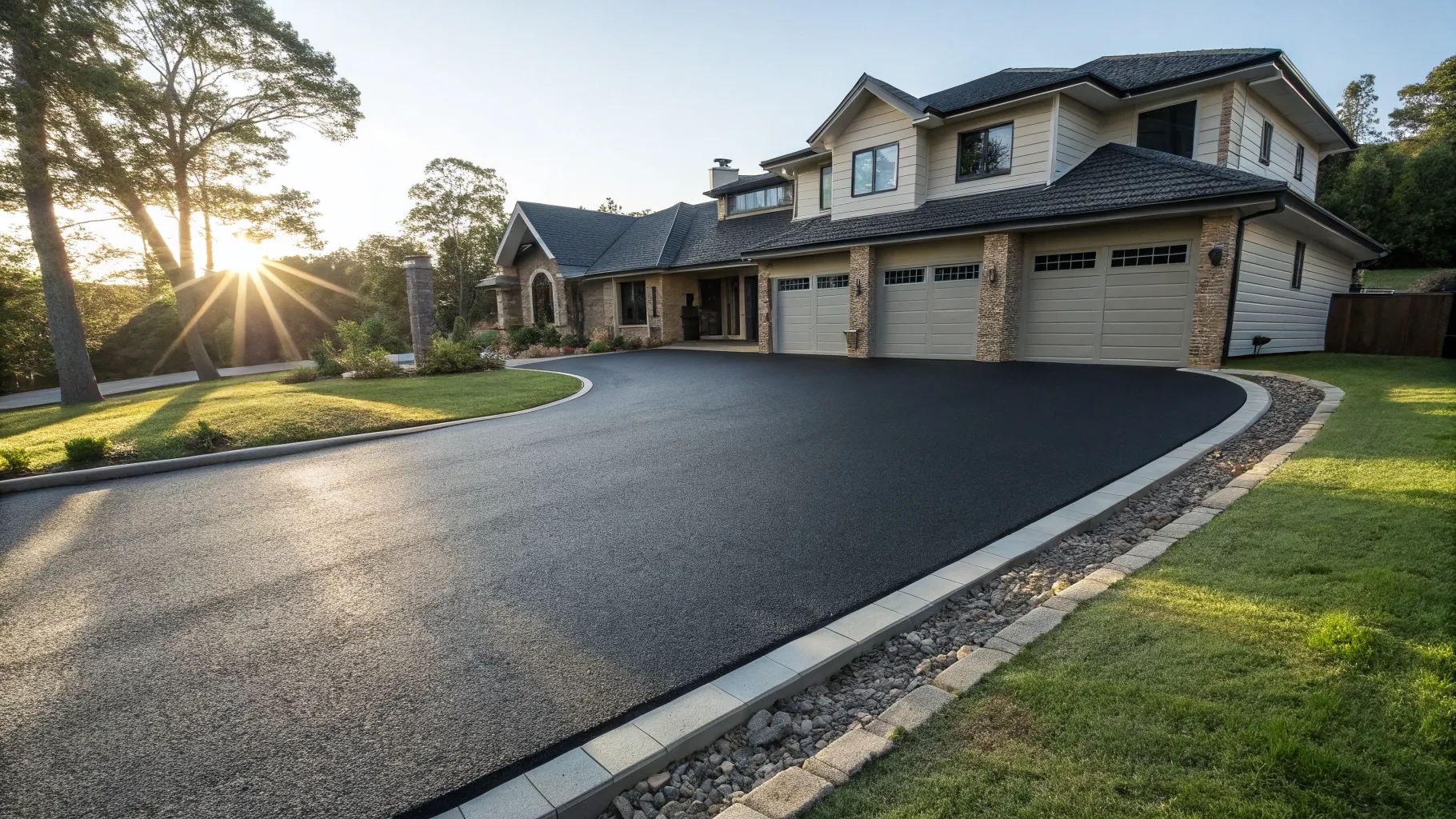
- Decorative Edging: Installing a border of pavers, bricks, or cobblestones along the edges of the driveway can create a high-end, finished look. This adds material and labor costs.
- Drainage Solutions: If your property has water runoff issues, you may need to install a trench drain or culvert to manage water flow, which is an additional expense.
- Asphalt Thickness: As mentioned, opting for a thicker layer of asphalt for enhanced durability will increase the cost.
Repairing vs. Replacing Your Driveway
If you have an existing asphalt driveway that's showing its age, you'll need to decide between repairing it and replacing it entirely. A simple crack-filling and sealcoating job is the most affordable option but is only suitable for minor, cosmetic issues. This is considered routine maintenance and helps extend the life of the surface.
For more significant damage, such as widespread cracking or sunken areas, you have two main choices. An asphalt overlay or resurfacing involves adding a new 1.5 to 2-inch layer of asphalt on top of the existing one. This is less expensive than a full replacement but requires the original foundation to be in good shape. A full replacement is the most expensive option, as it involves tearing out the old driveway, rebuilding the sub-base, and laying all-new asphalt. This is necessary when the foundation has failed and there are deep structural problems.
How to Get an Accurate Paving Quote
To ensure you're getting a fair price and quality work, it's wise to get quotes from at least three reputable, local contractors. A professional estimator should visit your property to take precise measurements and assess the site conditions, including soil type, drainage, and any existing surface that needs to be removed. Avoid any quotes given over the phone without a site visit.
When comparing quotes, make sure they are itemized and include the same scope of work. A detailed quote should specify the square footage, the depth of the aggregate base, the compacted thickness of the asphalt, and any costs for demolition or excavation. Ask contractors about their warranty, proof of insurance, and whether they will handle any necessary local permits. This due diligence helps you compare prices effectively and choose a contractor who will deliver a long-lasting driveway.