A Guide to Estimating Your Bathroom Remodel Cost
A bathroom remodel can significantly improve your home's comfort and value, but understanding the potential costs is the first step toward a successful project. Creating a detailed budget requires more than just picking out new tiles; it involves understanding the scope of your renovation, the materials you choose, and the cost of professional labor. This guide will walk you through the essential components of a bathroom remodel budget to help you plan effectively.
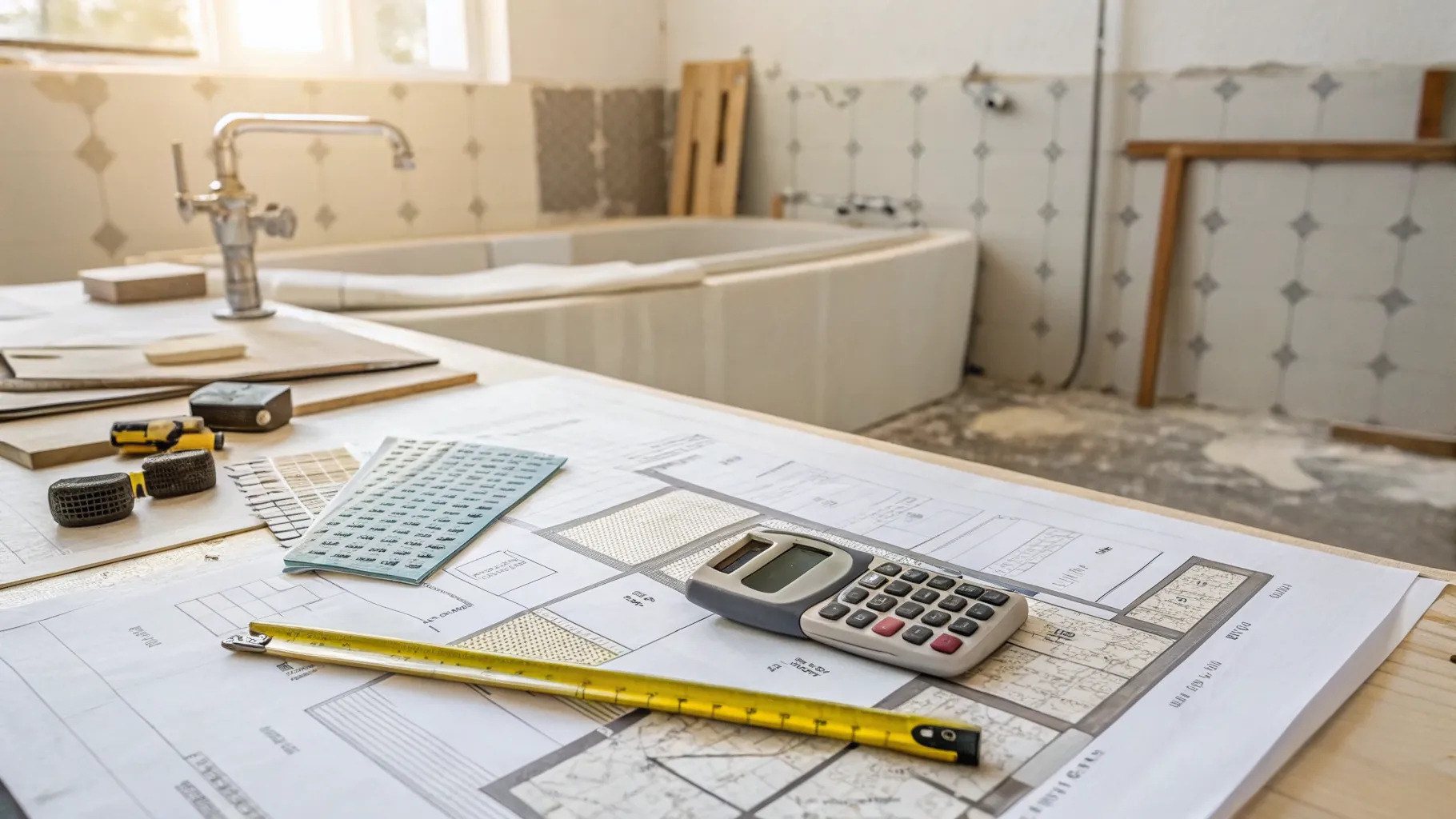
Understanding the Scope of Your Remodel
The total cost of your bathroom project is primarily determined by its scope. Renovations can be categorized into three main levels: a basic cosmetic update, a mid-range remodel, and a high-end, custom renovation. A cosmetic update is the most affordable and might include new paint, updated light fixtures, a new faucet, and refinishing the existing tub or vanity. This level focuses on surface changes without altering the bathroom's layout.
A mid-range remodel is the most common type of project. It often involves replacing major components like the toilet, vanity, and tub, as well as installing new flooring and tile. The layout typically stays the same to avoid the high cost of moving plumbing and electrical lines. A high-end renovation involves a complete overhaul, often including expanding the bathroom's footprint, moving walls, relocating plumbing, and installing luxury items like a steam shower, custom cabinetry, and high-end materials like natural stone.
Key Factors Influencing Total Cost
Several key variables will have a significant impact on your final bill. Being aware of these factors allows you to make informed decisions that align with your budget. The most influential elements include the size of the room, the quality of materials selected, regional labor rates, and the complexity of any layout changes.
Here are the primary cost drivers to consider:
- Bathroom Size: A larger bathroom requires more materials and more labor hours for flooring, painting, and tile work, directly increasing the overall cost.
- Quality of Materials: The price of fixtures and finishes varies dramatically. A prefabricated acrylic tub is much less expensive than a custom-tiled, walk-in shower with a frameless glass door.
- Labor Rates: The cost of skilled labor varies significantly by location. Major metropolitan areas typically have higher labor costs than rural areas.
- Layout Changes: The most expensive part of a remodel often involves moving plumbing stacks or electrical wiring. Keeping your existing layout is one of the most effective ways to control costs.
A Typical Breakdown of Expenses
When creating a budget, it helps to understand how costs are typically distributed across a project. While every remodel is unique, a standard mid-range renovation budget often follows a general pattern. Labor is almost always the largest single expense, frequently accounting for 40% to 60% of the total cost, especially if plumbing or electrical systems need to be moved or updated.
After labor, cabinetry and countertops are often the next largest expense, followed closely by tile work for the floor and shower walls. Fixtures such as the sink, toilet, and tub or shower can also represent a significant portion of the budget. Smaller but important costs include lighting, ventilation, paint, and accessories. Allocating your funds according to these categories can help you see where your money is going and identify areas to adjust if needed.
The Role of Labor in Your Budget
Unless you are an experienced DIYer with significant plumbing and electrical skills, you will need to hire professionals. A bathroom remodel can involve a general contractor, a plumber, an electrician, a tile setter, and a painter. A general contractor will manage the entire project and all the subcontractors, which adds to the cost but simplifies the process and can prevent costly mistakes.
Labor costs are influenced by the complexity of the job and your geographic location. It is essential to hire licensed and insured professionals to ensure the work is done correctly and up to code. While attempting to save money with unskilled labor might seem tempting, it can lead to water damage, safety hazards, and failed inspections, costing you far more in the long run to fix.
Materials and Finishes: Where to Splurge and Save
One of the best ways to manage your budget is to be strategic about your choice of materials. You can achieve a high-end look without a high-end price tag by mixing premium and budget-friendly options. The key is to spend money on items that are high-use or have a big visual impact while saving on things that are less noticeable or easily replaced.
For example, you might choose to splurge on a durable and beautiful quartz countertop for the vanity and a high-quality, water-efficient faucet that you will use every day. To balance the budget, you could save by selecting classic, affordable ceramic subway tile for the shower walls and a standard, pre-fabricated vanity from a big-box store instead of a custom-built unit. Thoughtful choices allow you to create a functional and stylish space without overspending.
Planning for Unexpected Costs
No renovation project is without its surprises, especially in a room with extensive plumbing. It is crucial to build a contingency fund into your budget to cover unforeseen expenses. A good rule of thumb is to set aside an extra 15% to 20% of your total estimated project cost. This buffer will prevent a small problem from derailing your entire renovation.
Common issues discovered during demolition include hidden water damage from old leaks, mold growth behind walls or under floors, outdated plumbing that needs to be replaced, and electrical wiring that is not up to current safety codes. Having a contingency fund provides peace of mind and ensures you have the resources to address these problems correctly without having to compromise on other parts of your remodel.
How to Get Accurate Estimates from Professionals
To create a truly reliable budget, you need to get detailed quotes from qualified contractors. Before you start contacting professionals, have a clear idea of what you want, including the layout, types of fixtures, and finishes. The more detailed your plan, the more accurate the estimates will be, making it easier to compare bids apples-to-apples.
Aim to get at least three written, itemized quotes from licensed and insured contractors. A proper quote should break down the costs for labor, materials, permits, and other expenses. Be wary of any bid that is significantly lower than the others, as it may indicate cut corners or omitted items. Review each quote carefully, check references, and ensure you have a clear, written contract before any work begins.