A Guide to Douro River Cruises: Exploring Portugal's Wine Country
A cruise along the Douro River offers a unique way to experience the breathtaking landscapes and rich culture of northern Portugal. Meandering from the vibrant city of Porto into the heart of the world's oldest demarcated wine region, these journeys provide a relaxed and immersive way to explore historic towns, terraced vineyards, and culinary traditions. It's a travel experience that combines scenic beauty with cultural discovery.
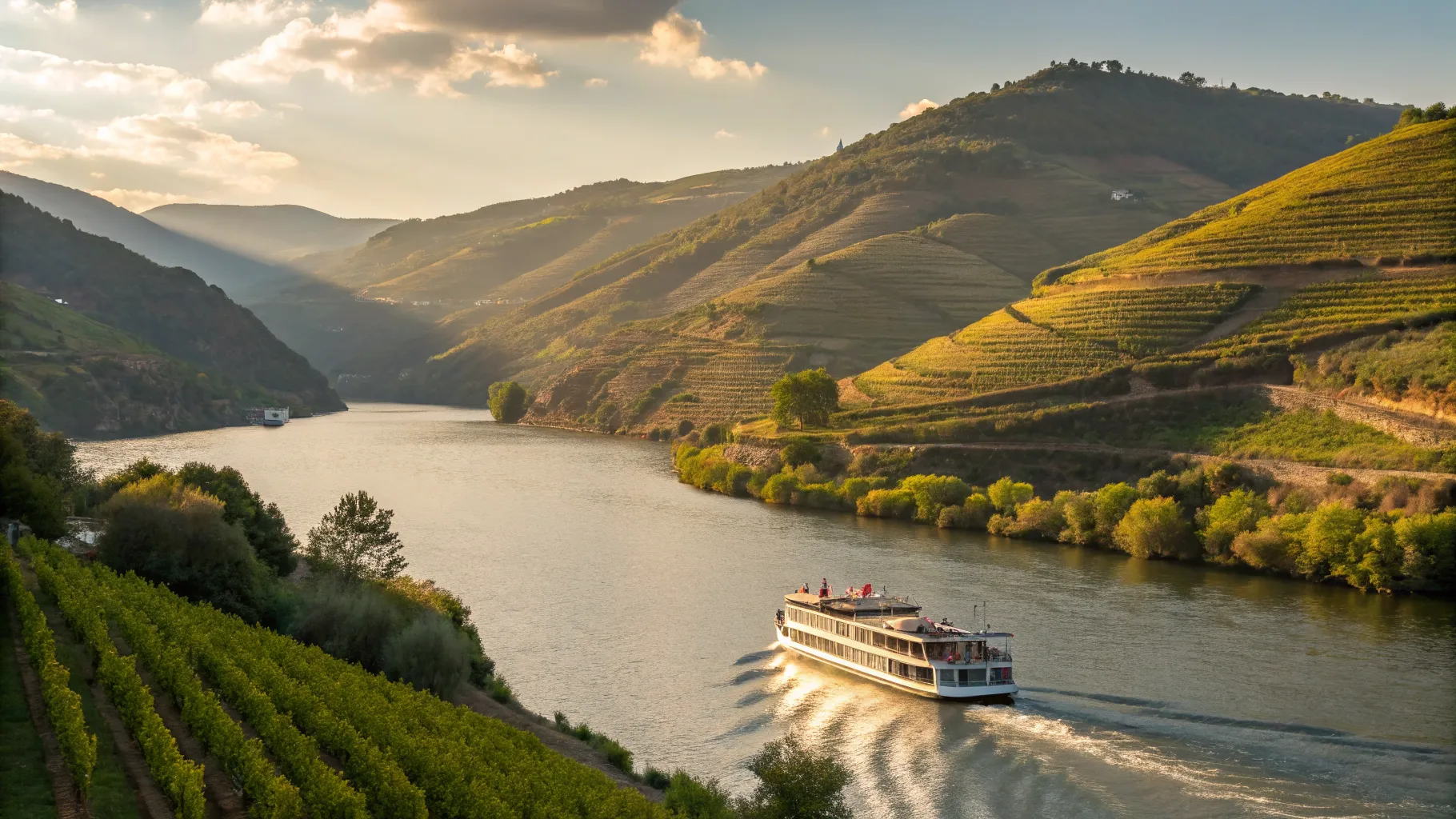
What is a Douro River Cruise?
A Douro River cruise is a voyage on a specially designed river ship that navigates the 'River of Gold' in Portugal. These vessels are smaller and more intimate than ocean liners, built to navigate the river's locks and narrow passages. The atmosphere onboard is generally relaxed, focusing on scenery and cultural enrichment. The pace is leisurely, allowing passengers to soak in the constantly changing views of vine-covered hillsides and sleepy villages from the comfort of a sun deck or lounge.
Typically lasting between seven and ten days, these cruises often operate on an all-inclusive or near all-inclusive basis. This means your accommodation, meals, and often a selection of drinks and daily shore excursions are included in the fare. The ships travel primarily during the day, mooring in a new town or village each evening, which gives you ample time to explore both with guided tours and on your own.
The Classic Douro River Route
The most common itinerary for a Douro River cruise begins in the coastal city of Porto, a UNESCO World Heritage site, and travels eastward into the Spanish border region. After departing Porto, ships navigate a series of impressive locks that lift the vessels into the higher altitudes of the Douro Valley. The journey takes you through the heart of the Port wine region, an area of stunning natural beauty with its steep, terraced vineyards carved into the hillsides over centuries.
Key ports of call along this route typically include towns like Régua, often considered the capital of the Douro region, and Pinhão, a charming village surrounded by famous wine estates (quintas). The cruise usually culminates near the Spanish border at Vega de Terrón, from where full-day excursions to the historic Spanish city of Salamanca are often offered. The return journey to Porto allows for further exploration of different sights and towns along the river.
Key Destinations and Sights
The destinations along the Douro are rich in history and culture. Porto, the starting and ending point, is a major highlight. Its historic Ribeira district is a labyrinth of narrow cobbled streets, and across the river in Vila Nova de Gaia, you can tour the famous Port wine cellars for tastings. The journey inland reveals a different side of Portugal, one of rustic charm and deep-rooted traditions.
Shore excursions are a core part of the experience, offering deep dives into local life. You might visit a traditional quinta for a tour and tasting, explore the formal gardens of the Mateus Palace, or discover ancient monasteries. Other notable stops include Lamego, known for its magnificent baroque shrine, and Castelo Rodrigo, one of Portugal's historical fortified villages. Many itineraries also include an excursion to Salamanca, Spain, famous for its grand plazas and one of the oldest universities in Europe.
Choosing the Right Time to Go
The main cruising season on the Douro runs from spring through autumn, typically from March to November. Spring (April to June) is a popular time, with pleasant temperatures and the landscape coming alive with wildflowers and lush greenery. The weather is ideal for sightseeing and enjoying the ship's sun deck without the intense heat of mid-summer.
Autumn (September and October) is another excellent period to travel, as it coincides with the grape harvest. The vineyards are abuzz with activity, and the hillsides are painted in vibrant shades of red, orange, and gold. Summer months, particularly July and August, can be very hot in the Douro Valley, which might be a consideration for some travelers. Winter is the off-season, with most cruise lines pausing operations due to cooler, wetter weather and river maintenance schedules.
What to Expect Onboard
Life aboard a Douro river ship is comfortable and sociable. The smaller size of the vessels fosters a friendly atmosphere where it's easy to meet fellow passengers. Cabins are well-appointed, most featuring a window or balcony to ensure you never miss the view. Public areas typically include a restaurant, a panoramic lounge with a bar, and a sun deck, which is often equipped with a small pool for cooling off on warm days.
Dining is a significant part of the experience, with menus highlighting Portuguese cuisine and regional specialties. Meals are often paired with local wines from the Douro Valley. Onboard activities are generally low-key and culturally focused. You might find educational talks about the region's history and wine production, cooking demonstrations, or live performances of traditional Fado music in the evening.
Tips for Planning Your Cruise
When planning your trip, it's wise to book well in advance, especially if you wish to travel during the peak seasons of spring or autumn. Carefully review what is included in the cruise fare. While many are largely inclusive, the specifics of what's covered, such as gratuities, flights, transfers, and the number of included excursions, can vary between cruise lines.
For packing, think comfort and practicality. Casual, layered clothing is ideal for adapting to changing temperatures throughout the day. Be sure to bring comfortable walking shoes for shore excursions, as many tours involve walking on uneven or cobbled streets. You may also want to pack a sun hat, sunglasses, and sunscreen for protection. While daytime attire is casual, some people choose to dress up slightly for dinner, though it's rarely a formal affair.