A Guide to Sewing Workshops in 2026
The world of sewing is constantly evolving, with new techniques, technologies, and a growing emphasis on sustainability shaping how we learn and create. As we look toward 2026, sewing workshops are adapting to these trends, offering a wider variety of formats and specializations than ever before. Whether you're looking to pick up a new hobby, refine your skills, or connect with a creative community, there's likely a workshop out there for you.
What to Expect from Sewing Workshops in 2026
In 2026, sewing workshops are expected to blend traditional skills with modern sensibilities. A major focus will continue to be on sustainability, with classes dedicated to mending, upcycling, and using eco-friendly fabrics. You can expect to see more workshops teaching visible mending techniques, transforming old garments into new creations, and providing education on sourcing sustainable materials. This reflects a broader cultural shift towards conscious consumption and reducing textile waste.
Technology will also play a larger role. Some advanced workshops may incorporate digital pattern making, using software to create and grade patterns for a perfect fit. The integration of technology doesn't stop there; expect more sophisticated online platforms for virtual classes, offering multiple camera angles, interactive Q&A sessions, and digital resource libraries. This fusion of craft and tech makes learning more accessible and tailored to individual needs.
Choosing the Right Workshop for Your Skill Level
Finding a class that matches your current ability is key to a successful learning experience. Workshops are typically categorized to help you find the right fit, so it's important to honestly assess your skills before signing up. Don't be afraid to start at the beginning if you're new or rusty; a solid foundation is crucial for more complex projects.
Here is a general breakdown of what to look for at each level:
- Beginner: These workshops assume no prior knowledge. They typically cover the basics, such as how to thread a sewing machine, wind a bobbin, sew straight seams, and finish simple projects like tote bags or pillowcases.
- Intermediate: For those comfortable with the basics, intermediate classes introduce more complex skills. Topics may include inserting zippers, sewing buttonholes, working with commercial patterns, and handling trickier fabrics like knits or silks.
- Advanced: These workshops are for experienced sewists looking to master high-level techniques. You might find classes on tailoring a jacket, draping, couture sewing methods, or intricate pattern adjustments for a custom fit.
The Rise of Online and Hybrid Sewing Classes
The flexibility of online learning has made sewing education more accessible than ever. By 2026, virtual workshops will be highly refined, offering high-quality video instruction that you can access from home. A significant advantage is the ability to re-watch lessons, work at your own pace, and often join a global community of fellow students through forums or social media groups. When choosing an online class, look for clear project goals, a detailed materials list, and positive reviews from past students.
Hybrid models are also becoming more common, offering the best of both worlds. These programs might involve online modules for foundational learning, followed by in-person sessions for hands-on guidance and fitting. This approach allows students to learn theory at their own convenience while still benefiting from expert, in-person feedback on the practical aspects of sewing, which can be invaluable for complex projects.
Specialized Workshops Gaining Popularity
Beyond general sewing skills, a growing number of workshops focus on niche interests. This allows sewists to dive deep into a specific area of garment construction or craft. These specialized classes are perfect for honing a particular skill or exploring a new creative avenue. The instructors are often experts in their field, providing unique insights and advanced techniques you might not find in a general sewing course.
Some popular specializations you can expect to see include quilting and patchwork, lingerie and swimwear making, bag making, and historical costuming. Workshops centered on tailoring and coat making are also in high demand, teaching the precise skills needed for structured garments. As interest in unique, handmade wardrobes grows, so does the desire for classes that teach these specific and rewarding skills.
Finding Local and In-Person Sewing Communities
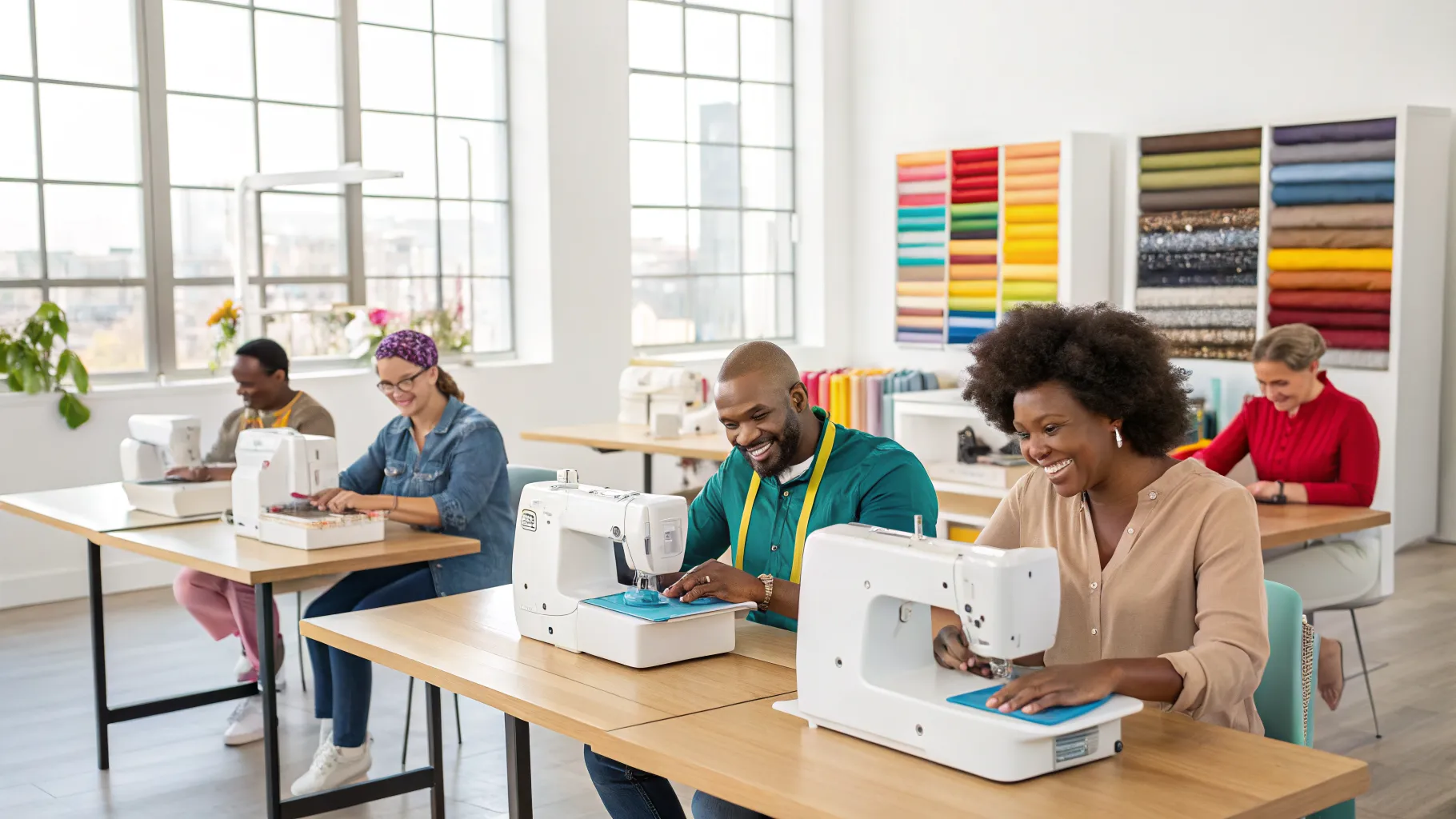
While online classes offer convenience, nothing replaces the experience of learning in person. Local sewing studios, fabric stores, and community centers are excellent places to find workshops. In-person classes provide immediate feedback from an instructor and the opportunity to use specialized equipment you might not own, such as sergers or coverstitch machines. The social aspect is another major benefit; learning alongside others fosters a sense of community and shared motivation.
To find local options, start by searching online for sewing studios or fabric shops in your area. Many stores host their own class schedules. Also, check the websites for your local community college or parks and recreation department, as they often offer affordable craft classes for adults. Subscribing to newsletters from your favorite fabric stores can also keep you informed about upcoming workshops and events.
How to Prepare for Your First Workshop
A little preparation can go a long way in making your workshop experience enjoyable and productive. Once you've registered, carefully read the class description and any emails from the instructor. Pay close attention to the required materials list. Some workshops provide everything, while others require you to bring your own sewing machine, tools, and fabric.
Before the class, make sure your equipment is in good working order. If you're bringing your own machine, test it out to ensure it's running smoothly. It's also a good idea to pack a small kit with essentials like sharp scissors, extra needles, pins, and a seam ripper. Arrive with a positive attitude, an open mind, and don't be afraid to ask questions. Every sewist, no matter their skill level, is always learning.