Your Ultimate Guide to Finding Craft and Sewing Classes
Embarking on a journey into sewing and crafts can be an incredibly rewarding experience. Whether you want to mend your own clothes, create unique home decor, or design a handmade wardrobe, taking a class is the perfect way to build a strong foundation. This guide will walk you through the various options available, helping you find the right fit for your creative goals and skill level.
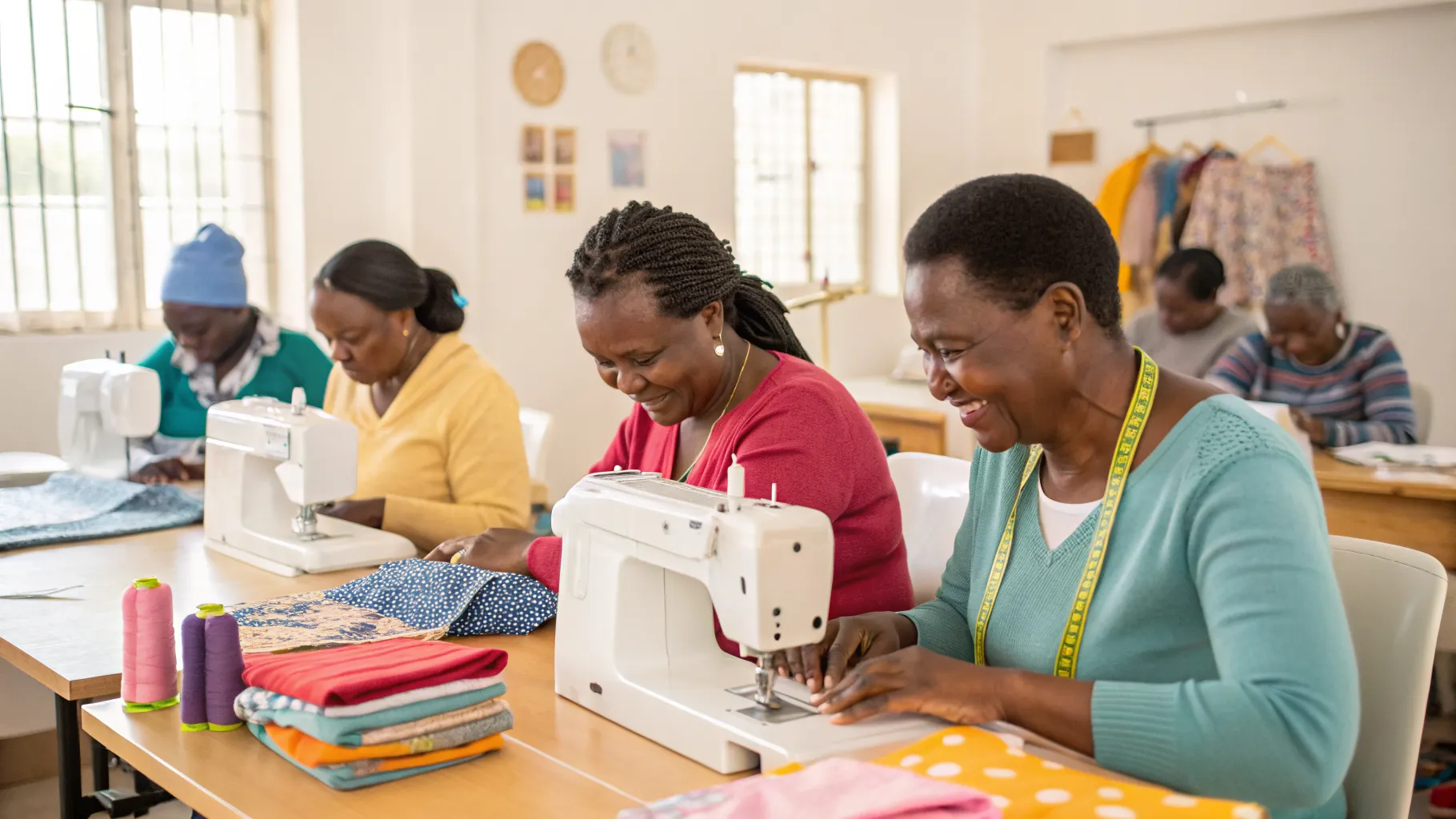
Types of Sewing and Craft Classes Available
The world of sewing and crafting is vast, and so are the types of classes you can take. For absolute beginners, an 'Intro to Sewing' course is the ideal starting point. These classes typically cover the basics of operating a sewing machine, understanding different stitches, and completing a simple first project like a pillowcase or a tote bag. They are designed to build confidence and familiarize you with the essential tools of the trade.
Beyond the basics, you can find specialized workshops that focus on specific skills or projects. These might include quilting, garment construction, upholstery, embroidery, or pattern making. Some studios offer multi-week programs that take you from foundational skills to advanced techniques, while others provide one-day workshops perfect for trying something new without a long-term commitment. Think about what you want to create, and you will likely find a class tailored to that goal.
Where to Find Local Craft and Sewing Classes
Finding a class in your area is easier than ever, thanks to a variety of resources. Many local fabric stores and sewing machine dealers host their own classes, which is a great way to learn in an environment surrounded by all the necessary supplies. These venues often have experienced staff who can provide excellent instruction and advice. Community centers and local colleges also frequently offer adult education programs that include affordable sewing and craft courses.
Another excellent resource is a dedicated sewing studio or creative space. These businesses specialize in teaching and often provide a more immersive experience with a strong sense of community. To find these options, a simple online search can be very effective. Consider using terms like 'beginner sewing classes near me' or 'adult craft workshops'. You can also look for local online community groups where members often share recommendations and reviews for classes they have enjoyed.
What to Expect in a Beginner's Workshop
Walking into your first sewing class should be an exciting, not intimidating, experience. Most beginner workshops are structured to be welcoming and supportive. The first session usually involves an introduction to the sewing machine: how to thread it, wind the bobbin, change the needle, and select basic stitches. You will likely practice on scrap fabric until you feel comfortable controlling the speed and guiding the material.
Once you are familiar with the machine, you will move on to a simple project. This allows you to apply your new skills in a practical way and leave with a finished item. Instructors are there to guide you step-by-step, answer questions, and help troubleshoot any issues. Don't be afraid to ask for help; everyone in the class is there to learn. The environment is typically collaborative, providing a wonderful opportunity to meet others who share your creative interests.
Understanding the Costs Involved
The cost of sewing classes can vary significantly based on several factors, so it is important to understand what is included in the fee. The price typically covers the instructor's time and the use of the studio space. A short, single-session workshop might cost less than a comprehensive multi-week course that covers more advanced topics. Always check the duration and curriculum to ensure you are comparing similar offerings.
Another major consideration is materials and equipment. Some classes, particularly for beginners, include a kit with all the necessary fabric, thread, and notions for your first project. Others may require you to purchase your own supplies. Similarly, find out if sewing machines are provided or if you need to bring your own. If you don't own a machine, choosing a class that provides one is a great way to try sewing without making a large initial investment.
How to Evaluate a Class and Instructor
To ensure you have a positive learning experience, it is wise to do a little research before signing up. Look for information about the instructor's background and experience. A passionate and knowledgeable teacher can make all the difference, especially for beginners. Class size is another important factor; smaller classes generally allow for more one-on-one attention from the instructor, which can be invaluable when you're just starting out.
Reading reviews from past students can provide insight into the teaching style and overall atmosphere of the class. Check the studio's website or social media pages for testimonials. If possible, look at photos of projects completed by previous students to get a sense of the skill level being taught. A good program will be transparent about its curriculum, costs, and what you can expect to learn.
Online vs. In-Person Learning
You can choose between learning to sew in person or through an online course, each with its own advantages. In-person classes offer the significant benefit of hands-on, immediate feedback from an instructor. They can physically demonstrate a technique and correct your form in real-time. This format also provides a sense of community and access to specialized equipment you might not have at home.
On the other hand, online classes offer unparalleled flexibility. You can learn at your own pace and on your own schedule, re-watching lessons as many times as you need. The variety of online courses is immense, allowing you to find instruction on very specific or niche topics. The best choice depends on your personal learning style. If you thrive on social interaction and direct guidance, an in-person class may be ideal. If you are self-motivated and need a flexible schedule, an online course could be a perfect fit.