Unearthing Value: Finding Government Surplus Excavators for Sale in the United States
Fast Facts:
- Government auctions offer substantial savings on heavy machinery.
- Demand for used excavators among contractors is steadily rising for cost efficiency.
Navigating the Landscape of Government Surplus Excavators for Sale
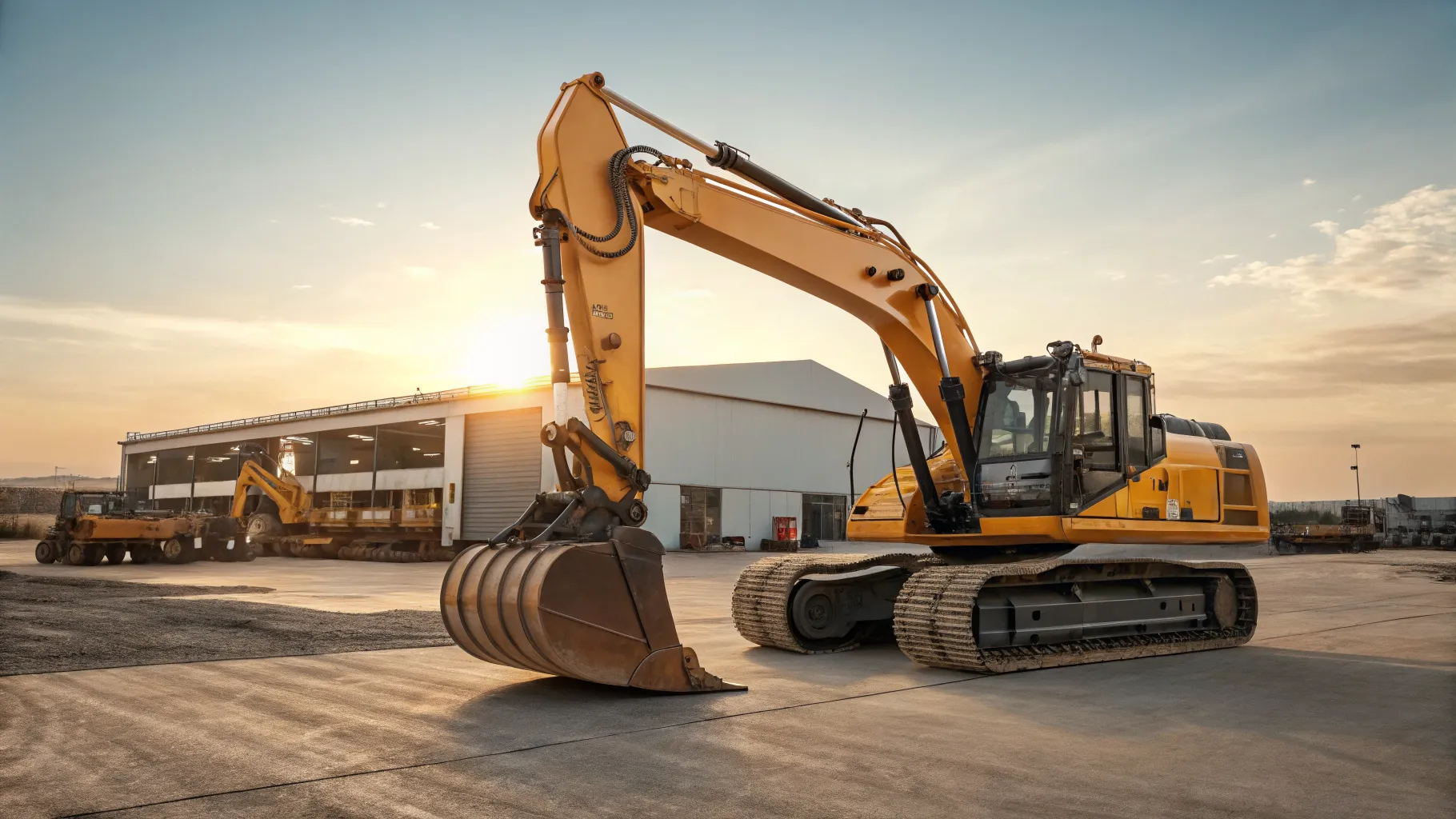
The quest for cost-effective heavy machinery often leads savvy buyers to explore the realm of government surplus excavators. These machines, once part of federal, state, or municipal fleets, are decommissioned and offered for public sale, presenting a unique opportunity to acquire robust equipment at potentially significant discounts. Understanding the various channels and processes involved in securing these assets is crucial for anyone looking to invest in reliable used excavators without the premium price tag of new machinery.
Identifying Sources for Federal Asset Sales and Local Surplus
Finding legitimate sources for government surplus excavators requires a strategic approach. At the federal level, agencies like the General Services Administration (GSA) regularly liquidate assets through online auctions and physical sales. These platforms are prime locations for discovering a wide range of surplus machinery, from compact models suitable for landscaping to large, powerful excavators designed for heavy-duty construction. State and local government entities also host their own surplus auctions, often through dedicated county or municipal websites. It is essential to research these diverse channels, as inventory and sale schedules can vary significantly. Many buyers find success by subscribing to notification lists or regularly checking the official websites of government auction houses, ensuring they are among the first to know when new used excavators become available.
The Auction Process: A Guide to Acquiring Surplus Machinery
Participating in heavy equipment auctions for government surplus excavators can be an exciting yet complex process. Prospective buyers must typically register in advance, providing necessary identification and sometimes a deposit. It is paramount to meticulously review the terms and conditions of each auction, as policies regarding bidding, payment, and equipment pickup can differ. Physical inspection of the surplus machinery before bidding is highly recommended, as most items are sold "as is, where is" without warranties. This allows buyers to assess the excavator's condition, identify potential maintenance needs, and make an informed decision about its true value. Understanding the bidding increments and setting a maximum budget are critical strategies to avoid overspending in the competitive environment of heavy equipment auctions.
Advantages and Considerations When Buying Used Excavators
The primary advantage of purchasing government surplus excavators lies in the potential for substantial cost savings. Often, these machines are well-maintained during their service life and come with detailed maintenance records, offering a degree of transparency not always found in private sales. However, buyers must also consider the potential downsides. Older surplus machinery may require immediate repairs or upgrades, which can offset some of the initial savings. It is vital to factor in transportation costs, as excavators are large and require specialized hauling. Additionally, while federal asset sales often present equipment in decent working order, the lack of a warranty means buyers assume all risks. A thorough pre-purchase inspection by a qualified mechanic is invaluable for assessing the true condition and expected lifespan of any used excavators.
Maximizing Your Investment in Government Surplus Excavators
To truly maximize your investment in government surplus excavators, several strategies can be employed. Firstly, understanding the market value of comparable used excavators is essential for competitive bidding. Researching recent sales data for similar models can provide a realistic benchmark. Secondly, focus on machines that have been recently de-commissioned, as they often require less immediate maintenance. Thirdly, consider forming a network with other contractors or heavy equipment professionals. This can provide insights into upcoming sales or even opportunities to share transportation costs. Finally, always have a plan for refurbishment or maintenance. Budgeting for potential repairs and upgrades ensures that your newly acquired surplus machinery is field-ready and contributes effectively to your operations, ultimately enhancing the return on your investment in heavy equipment auctions.
The Environmental and Economic Impact of Choosing Surplus Machinery
Opting for government surplus excavators also carries significant environmental and economic benefits. From an environmental perspective, purchasing used excavators extends the life cycle of existing equipment, reducing the demand for new manufacturing and the associated consumption of raw materials and energy. This sustainable approach helps mitigate the carbon footprint of the construction industry. Economically, acquiring surplus machinery stimulates a secondary market, creating jobs in transportation, repair, and resale sectors. It also empowers smaller businesses and startups to access high-quality equipment that might otherwise be out of reach financially, fostering competition and growth within the construction and excavation industries. This choice not only saves money but also aligns with broader goals of sustainability and economic inclusivity by making federal asset sales a viable option.
Frequently Asked Questions
What are the common sources for finding government surplus excavators?
The most common sources for finding government surplus excavators include federal government websites like GSA Auctions, state surplus property agencies, and local municipality auction sites. Online heavy equipment auctions platforms often aggregate listings from various government entities, making it easier to browse available surplus machinery.
Is it possible to inspect used excavators before bidding at federal asset sales?
Yes, in most cases, prospective buyers are strongly encouraged to inspect used excavators prior to bidding. Federal asset sales and other government auctions typically provide specific inspection periods. This allows buyers to physically examine the surplus machinery, assess its condition, and verify any listed specifications before committing to a bid. Always check the auction's specific terms for inspection details.
What are the typical payment and pickup procedures for surplus machinery?
Payment for government surplus excavators is usually required in full shortly after the auction closes, often within a few business days. Acceptable payment methods vary but commonly include wire transfers, credit cards (with limits), or certified checks. Pickup procedures for surplus machinery are also time-sensitive, with buyers generally given a limited window to arrange transportation and remove the equipment from the government facility. Failing to adhere to these deadlines can result in penalties or forfeiture of the purchase.
Are government surplus excavators always cheaper than other used excavators?
While government surplus excavators often present excellent value and can be significantly cheaper than new or even other used excavators from private dealers, it's not a universal guarantee. The final price depends on factors such as the machine's condition, age, make, model, and the level of competition at the heavy equipment auctions. It is crucial to conduct market research to compare prices and ensure you are getting a competitive deal on surplus machinery.
References
- General Services Administration (GSA) Public Auctions
- Various State and Local Government Surplus Property Divisions
- Heavy Equipment Valuation Guides and Market Reports
- Industry Publications on Used Equipment Acquisition
- Reports on Sustainable Practices in Construction and Asset Management