Unlock Endless Hot Water: The Benefits of Gas Tankless Water Heaters
Fast Facts:
- Immediate hot water upon demand.
- Growing trend for residential energy efficiency and space saving.
Revolutionizing Home Comfort with Gas Tankless Water Heaters
The modern home demands efficiency and convenience, and nowhere is this more evident than in hot water provision. Traditional water heaters, with their bulky tanks and constant energy consumption, are increasingly being replaced by advanced gas tankless water heaters. These innovative systems provide on-demand hot water, ensuring that you never run out, even during peak usage times. This shift represents a significant upgrade in both lifestyle and utility management, offering a continuous supply of hot water only when you need it, rather than maintaining a large reservoir.
Understanding How Gas Tankless Water Heaters Work
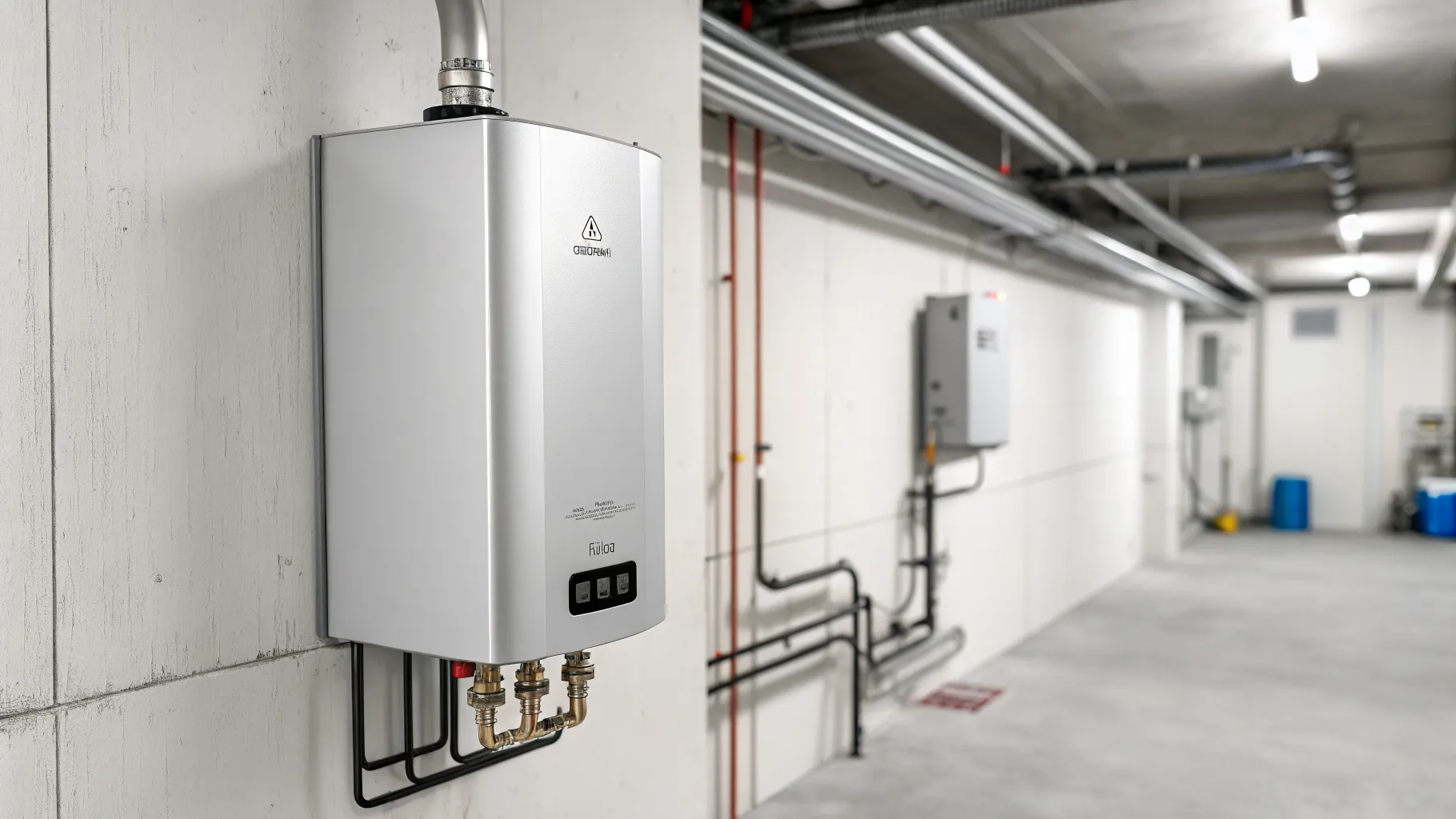
Gas tankless water heaters operate on a remarkably simple yet highly efficient principle: heating water only when it's needed. When a hot water faucet is opened, cold water travels through a pipe into the unit. A flow sensor detects the demand, triggering a powerful gas burner to ignite. This burner rapidly heats a heat exchanger, which then transfers heat directly to the incoming cold water. The water quickly reaches the desired temperature and is delivered straight to the faucet, providing continuous on-demand hot water. This eliminates the standby energy losses associated with traditional tank heaters, where water is kept hot 24/7, regardless of usage.
Unparalleled Energy Efficiency and Cost Savings
One of the most compelling advantages of gas tankless water heaters is their superior energy efficiency. By heating water only as it's used, these units avoid the constant reheating cycle common in conventional tanks, which can account for a significant portion of a household's energy bill. This targeted heating approach translates into substantial cost savings over time. While the initial investment might be higher than a traditional tank, the reduced monthly utility bills often lead to a favorable return on investment. Furthermore, many models are ENERGY STAR certified, indicating they meet strict energy efficiency guidelines set by the EPA, further boosting their economic appeal.
Key Considerations for Installation and Venting Requirements
The tankless water heater installation process, particularly for gas models, requires careful planning and professional expertise. Unlike electric units, gas tankless heaters necessitate a gas line capable of handling the unit's high BTU demand. Ensuring proper gas line sizing is crucial for optimal performance and safety. Equally important are the venting requirements. Gas units produce combustion byproducts that must be safely exhausted outside the home. Depending on the model, this might involve direct venting through a wall or roof, or power venting with a fan-assisted system. Proper venting is critical to prevent dangerous carbon monoxide buildup, underscoring the importance of hiring a certified installer familiar with local codes and regulations.
Sizing Your System: BTU Rating and Flow Rate
Selecting the correct size for your gas tankless water heater is paramount to ensuring it meets your household's demands. This involves understanding two key metrics: the BTU rating and the flow rate, typically measured in gallons per minute (GPM). The BTU rating indicates the heating capacity of the unit, while the GPM specifies how much hot water it can deliver simultaneously. To determine the appropriate size, consider the number of hot water fixtures in your home and how many are likely to be used at the same time. For instance, a home with multiple bathrooms and appliances like a dishwasher and washing machine operating concurrently will require a higher BTU rating and GPM capacity to provide continuous hot water without a drop in temperature.
Maintenance and Longevity of Your Tankless Unit
While gas tankless water heaters are known for their durability and long lifespan, typically double that of traditional tank heaters, regular maintenance is essential to ensure optimal performance and extend their operational life. The primary maintenance task involves periodic flushing of the unit to remove mineral buildup, especially in areas with hard water. This descaling process prevents blockages in the heat exchanger, which can reduce efficiency and potentially damage the unit. Many manufacturers recommend annual flushing. Additionally, it's advisable to have a professional inspect the gas lines, venting, and other components periodically to ensure everything is functioning safely and efficiently, thereby safeguarding your investment in on-demand hot water.
Maximizing the Benefits of Your Gas Tankless System
- Regular Maintenance: Implement an annual flushing schedule for your unit, especially in hard water areas, to prevent mineral buildup and maintain peak efficiency. This simple step can significantly extend the lifespan of your gas tankless water heater and ensure consistent performance.
- Optimal Sizing: Ensure your unit's BTU rating and GPM capacity accurately match your household's peak hot water demand. An undersized unit can lead to insufficient hot water, while an oversized unit might consume more energy than necessary during lighter use.
- Professional Installation: Always engage a licensed and experienced professional for installation. They will ensure proper gas line sizing, correct venting, and adherence to all local building codes, guaranteeing safety and efficiency.
- Energy-Saving Habits: While tankless heaters are inherently efficient, adopting good habits like taking shorter showers or running dishwashers and washing machines during off-peak hours can further reduce energy consumption and maximize savings.
Frequently Asked Questions
Is a gas tankless water heater right for my home?
A gas tankless water heater is often an excellent choice for homes looking for endless hot water, significant energy savings, and space conservation. It's particularly beneficial for larger families or households with high hot water demand.
What are the venting requirements for gas tankless water heaters?
Venting requirements for gas tankless units are critical for safety. They typically require specialized venting materials and configurations (e.g., direct vent or power vent) to safely exhaust combustion gases, making professional installation essential.
How much energy can I save with a tankless unit?
While savings vary based on household usage and fuel costs, many homeowners report a 20-34% reduction in energy consumption for water heating with a gas tankless water heater compared to traditional tank models, due to the elimination of standby heat loss.
References
- U.S. Department of Energy, Energy Efficiency & Renewable Energy.
- Various industry reports on residential water heating solutions.