A Complete Guide to Furniture Repair Classes for Seniors
Facts:
- Learning a new hands-on skill can improve cognitive function.
- A growing trend for seniors is joining community workshops for social engagement.
Unlock Your Inner Artisan: A Deep Dive into Furniture Repair Classes for Seniors
Rediscovering the joy of working with your hands is a timeless pleasure, and for many, furniture repair offers a perfect blend of creativity, practicality, and nostalgia. As cherished wooden pieces show their age, the desire to restore them grows. This guide is dedicated to the growing field of furniture restoration education, specifically focusing on providing a thorough understanding furniture repair classes for seniors. These courses are more than just about learning a skill; they are about preserving memories, building community, and engaging in a fulfilling, tangible hobby. Whether you're interested in a structured classroom setting or more flexible DIY furniture repair courses seniors, there's a path for everyone to breathe new life into old treasures.
What to Expect in Beginner Furniture Repair Classes for Seniors
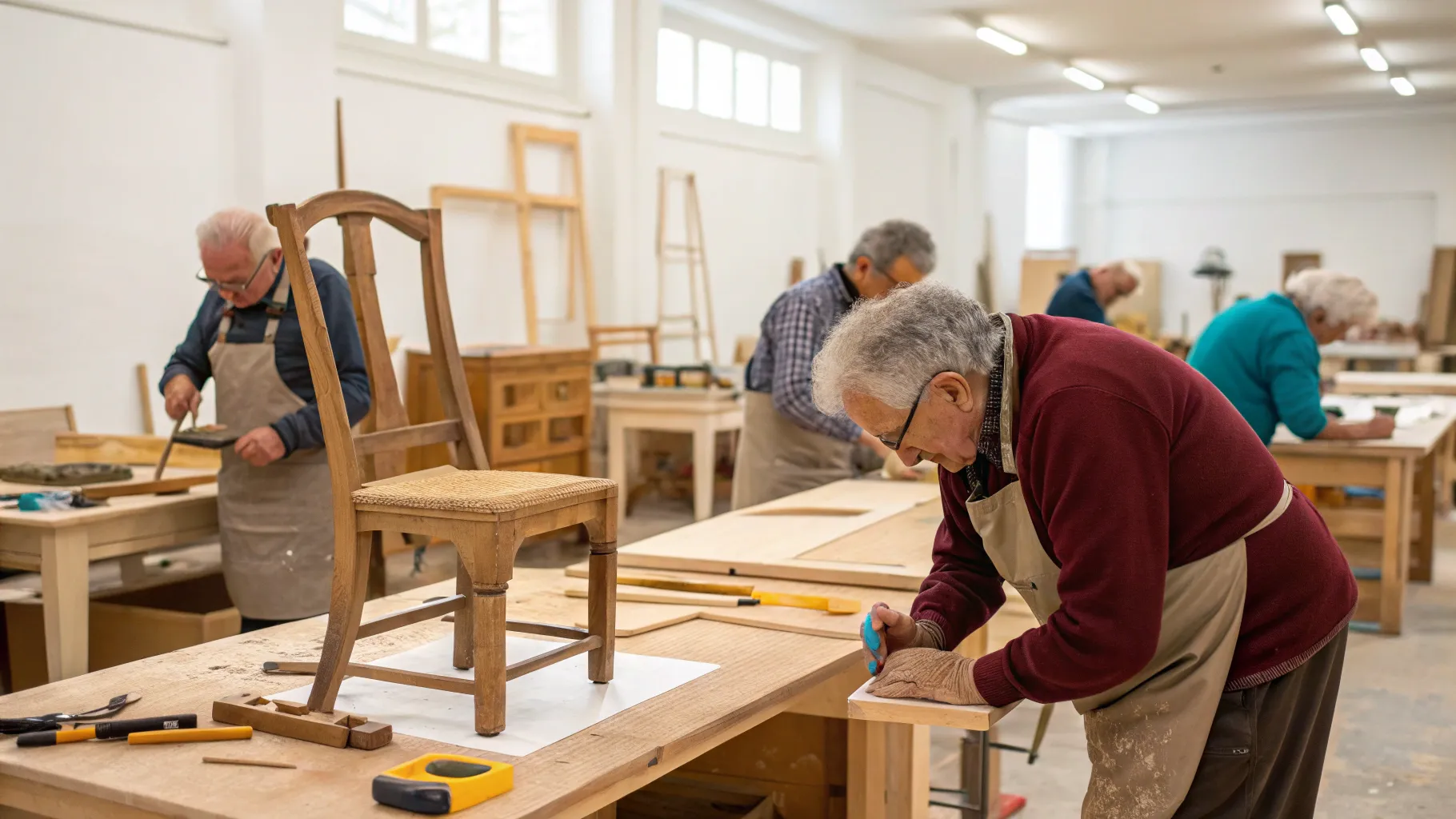
Embarking on a new learning journey can be exciting, and knowing what to expect can make the experience even more enjoyable. The core of most beginner furniture repair classes seniors is built around foundational skills that are safe, accessible, and immediately applicable. Instructors typically begin with an in-depth session on workshop safety, covering the proper handling of tools and materials. The initial projects are often simple, such as repairing a wobbly chair leg or refinishing a small side table. You'll learn the art of stripping old paint and varnish, the delicate process of sanding wood to a smooth finish, and the techniques for applying new stains and protective coats. These classes emphasize patience and precision, fostering an environment where learning is stress-free. The goal of these senior furniture repair workshops is not just to teach repair but to build confidence in your ability to tackle future projects independently.
The Tangible Benefits of DIY Furniture Repair Courses for Seniors
Beyond the practical skill of fixing a broken table, engaging in DIY furniture repair courses seniors offers a wealth of cognitive, social, and emotional benefits. The act of planning a project, solving structural problems, and executing detailed steps provides excellent mental stimulation, helping to maintain cognitive sharpness. Furthermore, these classes are fantastic social hubs. Working alongside peers with shared interests fosters a sense of community and camaraderie, combating feelings of isolation. There is an immense sense of pride and accomplishment that comes from transforming a worn-out piece of furniture into a functional work of art. This tangible result of your effort provides a powerful boost to self-esteem and offers a fulfilling way to spend your time, creating heirlooms that can be passed down for generations.
Choosing the Right Senior Furniture Repair Workshop for You
With a variety of options available, selecting the right course is key to a positive experience. When evaluating a senior furniture repair workshop, consider several factors. First, look at the instructor's experience, particularly their experience in teaching older adults. A patient and adaptable teaching style is crucial. Inquire about the class size; smaller groups often allow for more personalized, one-on-one instruction. Accessibility and safety of the workshop space are also paramount—ensure it is well-lit, well-ventilated, and free of hazards. It's also wise to get a clear understanding furniture repair classes for seniors by asking about the curriculum. Does it align with your interests? Do they offer introductory courses for complete novices? Many community centers and woodworking guilds offer excellent beginner furniture repair classes seniors, providing a supportive and encouraging atmosphere for learning.
Essential Tools and Safety for Your First Class
While most workshops provide major equipment, understanding the basic tools is part of the learning process. You will become familiar with hand sanders, various grades of sandpaper, wood glue, clamps, and different types of finishes like stain, oil, and varnish. A key part of any reputable course is a strong emphasis on safety. Instructors will guide you on the proper use of all equipment and the importance of personal protective equipment (PPE). Taking these lessons seriously is vital for a safe and enjoyable experience. Here are some key safety practices to always follow:
- Always Wear Safety Glasses: Protecting your eyes from dust, debris, and chemical splashes is non-negotiable. This is the most important rule in any workshop.
- Use Proper Ventilation: Stains, strippers, and finishes can release fumes. Always work in a well-ventilated area or use a respirator as recommended by the instructor.
- Handle Tools Correctly: Pay close attention during tool demonstrations. Never use a tool for a purpose it wasn't designed for and ensure you are comfortable with its operation before starting.
- Keep a Tidy Workspace: A clean and organized workbench minimizes the risk of accidents. Clutter can lead to trips, falls, or misplaced tools.
From Hobby to Heirloom: The Enduring Value of Restoration
Learning furniture repair is more than a pastime; it's an investment in your well-being and a way to connect with the past. Each piece of furniture has a story, and by restoring it, you become a part of its history while adding a new chapter. The skills acquired in senior furniture repair workshops can be applied to countless projects around the home, saving money and providing a deep sense of self-reliance. It's a craft that combines physical activity with mental focus, resulting in beautiful, functional pieces that bring joy and serve as a testament to your newfound abilities. The journey from a novice to a confident restorer is incredibly rewarding, creating lasting value for both you and your family.
Frequently Asked Questions
Are there any prerequisites for beginner furniture repair classes for seniors?
Absolutely not. Most beginner furniture repair classes seniors are designed for individuals with no prior experience. The only requirement is a willingness to learn and an interest in working with your hands. Instructors start with the very basics of tool safety and simple repair techniques.
What kind of projects can I expect in a senior furniture repair workshop?
Initial projects are typically small and manageable to build confidence. Common starting points include repairing wobbly chair or table legs, refinishing small surfaces like a stool or end table, or learning how to fix minor scratches and dents. The focus is on mastering foundational skills in a supportive senior furniture repair workshop environment.
How can I find local DIY furniture repair courses for seniors?
A great place to start is your local community center, senior center, or a continuing education program at a community college. Woodworking guilds and local maker spaces also frequently offer DIY furniture repair courses seniors. Searching online for workshops in your area is also an effective way to find current listings.
References
- Community Woodworking & Lifelong Learning Studies
- Senior Health & Active Living Journal
- The Practical Guide to Wood Finishing
- Home Furniture Restoration Manual