Craft Classes for Seniors: The Ultimate Informative Guide
Facts:
- Engaging in crafts can improve cognitive function by up to 50%.
- Social crafting is a major wellness trend for art and craft classes for older adults.
Unlocking Creativity and Community Through Senior Craft Workshops
As we age, staying mentally sharp, socially engaged, and creatively fulfilled becomes more important than ever. For many, the perfect solution lies in exploring the vibrant world of craft classes for seniors. These gatherings are more than just a way to pass the time; they are powerful hubs for learning, friendship, and personal growth. An informative guide to craft learning opportunities for seniors can open doors to new hobbies and social circles, significantly enhancing quality of life. Whether you're a seasoned artist or a complete beginner, there is a class ready to welcome you and help you unleash your creative potential.
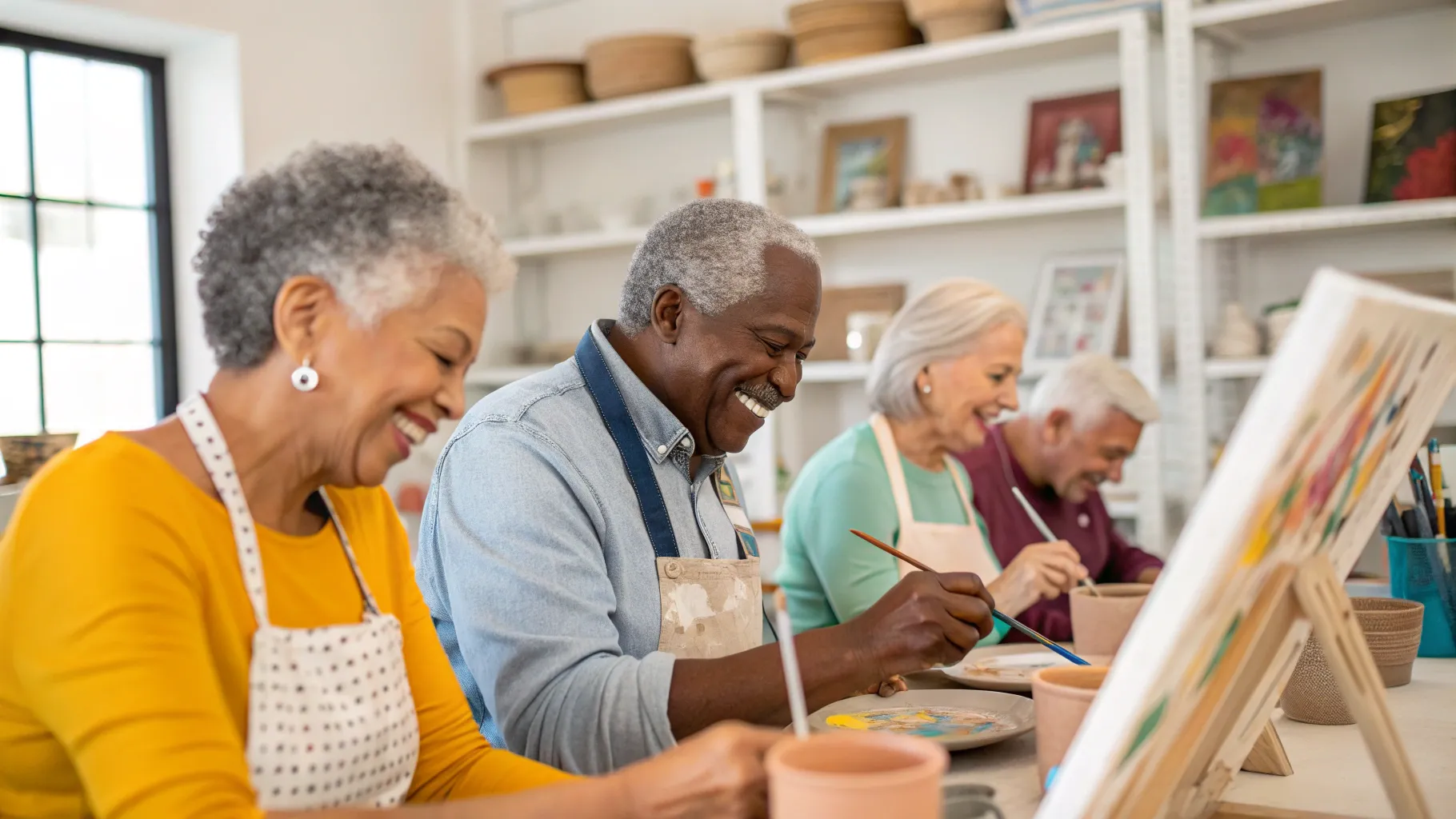
Exploring the Variety of Art and Craft Classes for Older Adults
The landscape of art and craft classes for older adults is incredibly diverse, offering something to pique every interest. Traditional arts like watercolor painting, pottery, and knitting remain immensely popular, providing tangible skills and beautiful results. Pottery, for instance, is fantastic for maintaining hand strength and dexterity, while painting allows for boundless self-expression. Fiber arts, such as knitting and quilting, create a wonderful sense of community and result in practical, cherished items. For those interested in more structural crafts, woodworking or jewelry-making senior craft workshops offer a chance to work with different materials and tools, honing focus and precision. The key to understanding craft classes for seniors is recognizing this breadth of choice, ensuring every individual can find an activity that truly resonates with them.
A Comparative Look at Popular Senior Craft Workshops
When deciding on which craft to pursue, it's helpful to compare a few options. Let's consider painting versus pottery. Painting classes typically require less physical strength and have a lower barrier to entry in terms of equipment—a set of paints, brushes, and a canvas can get you started. They are excellent for fine motor skills and color theory. Pottery, on the other hand, is a more tactile and physical experience, engaging the whole body. It can be incredibly therapeutic but may require more specialized equipment like a potter's wheel and kiln, which is why taking a class is ideal. Another comparison could be knitting versus woodworking. Knitting is portable, relatively inexpensive to start, and can be a very social and relaxing activity. Woodworking requires more dedicated space, a higher initial investment in tools, and a strong focus on safety. However, it yields incredibly satisfying and functional results. Each of these senior craft workshops offers unique benefits, and the best choice depends entirely on personal interest, physical ability, and desired outcome.
Your Informative Guide to Craft Learning Opportunities for Seniors
Finding the right class is the first step on your creative journey. This informative guide to craft learning opportunities for seniors provides actionable advice for locating the perfect fit. Many options are available, often closer than you think, making it easy to join craft classes for seniors in your area.
- Community and Recreation Centers: These are often the first and best place to look. They frequently offer a wide range of affordable art and craft classes for older adults, designed specifically with seniors in mind. Check their quarterly brochures or website for schedules.
- Senior Centers and Retirement Communities: Facilities dedicated to older adults almost always have a robust activities calendar that includes various senior craft workshops. These are excellent for building relationships with peers in a comfortable and accessible environment.
- Local Libraries and Museums: Many libraries and museums have expanded their programming to include hands-on workshops. These can be a fantastic way to learn a new skill in an inspiring and educational setting.
- Art Supply Stores and Private Studios: Businesses like Michaels or local independent art studios often host classes taught by experienced artists. While they may be more expensive, they can offer more specialized instruction and higher-quality materials.
- Online Platforms: Websites like Skillshare, Domestika, or even YouTube offer countless virtual classes. This is a great option for those with mobility issues or who prefer to learn from the comfort of their own home.
The Deeper Benefits: Understanding Craft Classes for Seniors
The value of participating in craft classes for seniors extends far beyond the finished product. A deeper understanding craft classes for seniors reveals profound cognitive, physical, and emotional benefits. Engaging in creative tasks stimulates the brain, improving memory and problem-solving skills. The focus required for activities like painting or sculpting can be a form of mindfulness, reducing stress and anxiety. Physically, many crafts help maintain fine motor skills, hand-eye coordination, and dexterity, which are crucial for independence. Perhaps most importantly, the social aspect of group classes combats loneliness and fosters a sense of belonging and shared purpose, which is vital for mental and emotional well-being in the later years of life.
Frequently Asked Questions
Are craft classes for seniors expensive?
The cost can vary widely. Many community centers and senior centers offer very affordable or even free classes. Private studios may have higher fees, but they often provide all the necessary materials. It's always a good idea to inquire about any discounts for seniors.
What if I've never done any art or craft before?
That's perfectly fine! Most art and craft classes for older adults are designed for beginners. Instructors are experienced in teaching foundational skills in a supportive, non-judgmental environment. The goal is to learn and have fun, not to become a professional artist overnight.
How do senior craft workshops accommodate physical limitations?
Good instructors and organizations are adept at making accommodations. This can include providing ergonomic tools, offering adaptive equipment, ensuring the workspace is accessible, and modifying projects to suit different ability levels. Don't hesitate to discuss any concerns with the class organizer beforehand.
References
- Journal of Gerontological Nursing
- The National Institute on Aging Studies
- American Art Therapy Association Publications
- Community Creative Aging Reports