Foods That Help Ease Digestive Inflammation: Your Ultimate Guide
Facts:
- Chronic inflammation affects over 50% of adults.
- A targeted diet is key for managing digestive wellness.
Understanding How Diet Impacts Digestive Inflammation
Navigating the discomfort of digestive inflammation can be challenging, but your diet is a powerful tool for managing symptoms and promoting healing. The core principle of a gut inflammation diet is to incorporate nutrient-dense, whole foods that actively combat inflammation while avoiding those that can trigger or worsen it. By focusing on the right foods to reduce digestive inflammation, you can create an internal environment that supports a healthy gut lining, balances your microbiome, and ultimately helps you feel your best. This approach is not about restriction but about empowerment, providing your body with the building blocks it needs to repair and thrive.
Top Foods That Soothe Gut Inflammation
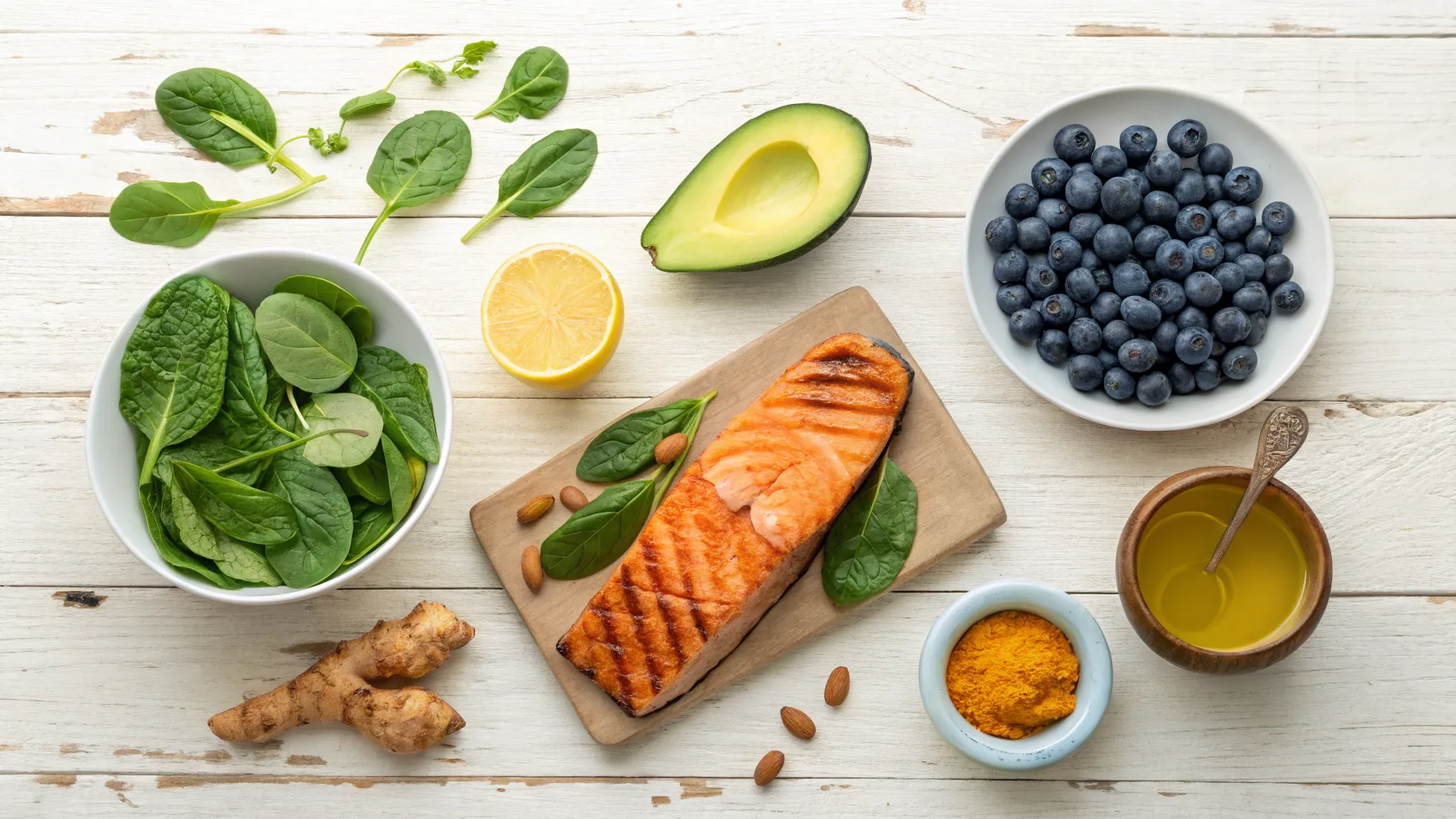
When building a diet to combat digestive inflammation, certain foods are superstars. These items are packed with specific nutrients like omega-3 fatty acids, polyphenols, and probiotics that work synergistically to calm an irritated gut. Making these digestive inflammation foods a regular part of your meals can lead to significant improvements in symptoms like bloating, pain, and irregularity. Let's explore the most effective categories of foods that can help you on your path to digestive wellness.
Omega-3 Rich Fatty Fish
Fatty fish such as salmon, mackerel, sardines, and herring are celebrated for their high concentration of omega-3 fatty acids, specifically EPA and DHA. These fats are potent anti-inflammatory agents that can help reduce inflammation throughout the body, including the digestive tract. Incorporating these fish into your diet two to three times a week is a cornerstone of any effective gut inflammation diet. They provide the essential fats necessary to repair cellular membranes and lower inflammatory responses at a systemic level.
Probiotic-Rich Fermented Foods
A healthy gut microbiome is crucial for managing inflammation. Fermented foods like yogurt (with live active cultures), kefir, sauerkraut, kimchi, and kombucha are excellent sources of probiotics. These beneficial bacteria help restore balance to your gut flora, strengthen the intestinal barrier, and modulate the immune system's inflammatory response. Consuming these anti inflammatory gut foods regularly can help to soothe gut inflammation by improving the overall health and resilience of your digestive ecosystem.
Leafy Greens and Berries
Vegetables and fruits are packed with antioxidants and fiber. Leafy greens like spinach, kale, and Swiss chard are rich in vitamins and minerals that support gut health. Berries, including blueberries, raspberries, and strawberries, are high in antioxidants called anthocyanins, which have been shown to have powerful anti-inflammatory effects. The fiber in these foods also acts as a prebiotic, feeding the beneficial bacteria in your gut, making them essential foods to reduce digestive inflammation.
Foods to Limit When Managing Digestive Inflammation
Just as important as what you add to your diet is what you choose to limit. Certain foods can trigger or exacerbate inflammation, undermining your efforts to heal. Processed foods, which are often high in refined sugars, unhealthy fats (like trans fats and excessive omega-6s), and artificial additives, are major culprits. These items can disrupt the gut microbiome, increase intestinal permeability (leaky gut), and promote a chronic inflammatory state. Fried foods, sugary drinks, and refined carbohydrates like white bread and pastries can contribute significantly to digestive distress. A successful strategy to soothe gut inflammation involves consciously reducing the intake of these pro-inflammatory items and replacing them with the wholesome, healing digestive inflammation foods we've discussed.
Actionable Steps for an Anti-Inflammatory Diet
Implementing changes can feel overwhelming, but starting with small, consistent steps is key. The goal is to build a sustainable eating pattern that supports long-term digestive health. Here are some practical tips to help you integrate anti inflammatory gut foods into your daily routine.
- Start Your Day Smart: Begin your morning with a smoothie containing spinach, a handful of blueberries, and a scoop of plain yogurt or kefir. This provides a powerful combination of fiber, antioxidants, and probiotics to set a calm tone for your digestive system.
- Focus on Colorful Lunches: Build salads with a base of dark leafy greens, top with grilled salmon or chicken, and include other colorful vegetables like bell peppers and cucumbers. Dress it with extra virgin olive oil and lemon juice for a dose of healthy fats.
- Incorporate Healing Spices: Add turmeric (with a pinch of black pepper to enhance absorption) and ginger to your cooking. These spices are renowned for their anti-inflammatory properties and can be easily added to soups, stews, and marinades.
- Hydrate with Purpose: Swap sugary drinks for water, herbal teas like ginger or peppermint, and bone broth. Bone broth is particularly beneficial as it contains collagen and amino acids that help repair the gut lining.
Lifestyle Adjustments to Support Gut Health
While diet is foundational, other lifestyle factors play a crucial role in managing digestive inflammation. Chronic stress, for example, is directly linked to increased gut inflammation. Incorporating stress-reduction techniques like meditation, deep breathing exercises, or gentle yoga can have a profound impact on your digestive well-being. Additionally, ensuring you get adequate, quality sleep each night is vital, as sleep is when the body performs its most critical repair processes. Regular, moderate exercise also helps reduce inflammation and promote healthy digestion. Combining a thoughtful gut inflammation diet with these supportive lifestyle habits creates a holistic and powerful approach to healing.
Frequently Asked Questions
How long does it take for an anti-inflammatory diet to work?
While individual results vary, many people begin to notice improvements in symptoms like bloating and discomfort within a few weeks of consistently following a gut inflammation diet. Significant, long-term healing requires sustained commitment over several months.
Can I eat fruit on a diet designed to soothe gut inflammation?
Yes, most fruits are beneficial. Low-sugar fruits rich in antioxidants, like berries, are particularly recommended. It's best to consume whole fruits rather than juice to get the full benefit of their fiber, which is crucial for a healthy gut.
What are the best digestive inflammation foods for a snack?
Excellent snack options include a handful of almonds or walnuts, an apple with almond butter, a small bowl of plain yogurt with berries, or sliced avocado with a sprinkle of sea salt. These provide a mix of healthy fats, fiber, and protein to keep you full and your gut happy.
References
- Journal of Clinical Gastroenterology: Diet and Inflammatory Bowel Disease
- Nutrients Journal: The Role of Omega-3 Fatty Acids in Inflammation
- The British Journal of Nutrition: Probiotics and their effect on gut health
- Advances in Nutrition: Dietary Patterns and Inflammatory Markers