Flower Gardening Classes for Beginners: Your Ultimate Guide to Blooming Success
Facts:
- Successful gardening starts with understanding soil health.
- A rising trend is community-based gardening classes for urban dwellers.
Why Enrolling in a Course is Your First Step to a Vibrant Garden
Embarking on the journey of creating a flower garden can feel overwhelming, but it doesn't have to be. For those new to the world of horticulture, the most effective way to cultivate confidence and skill is by participating in flower gardening classes for beginners. These structured learning environments provide the foundational knowledge you need, from soil science to pest control, ensuring your first foray into gardening is a successful one. Instead of navigating confusing online tutorials and conflicting advice, you can learn flower gardening from experienced instructors who can answer your specific questions. These courses are designed to demystify the process and equip you with the practical skills needed for a thriving garden.
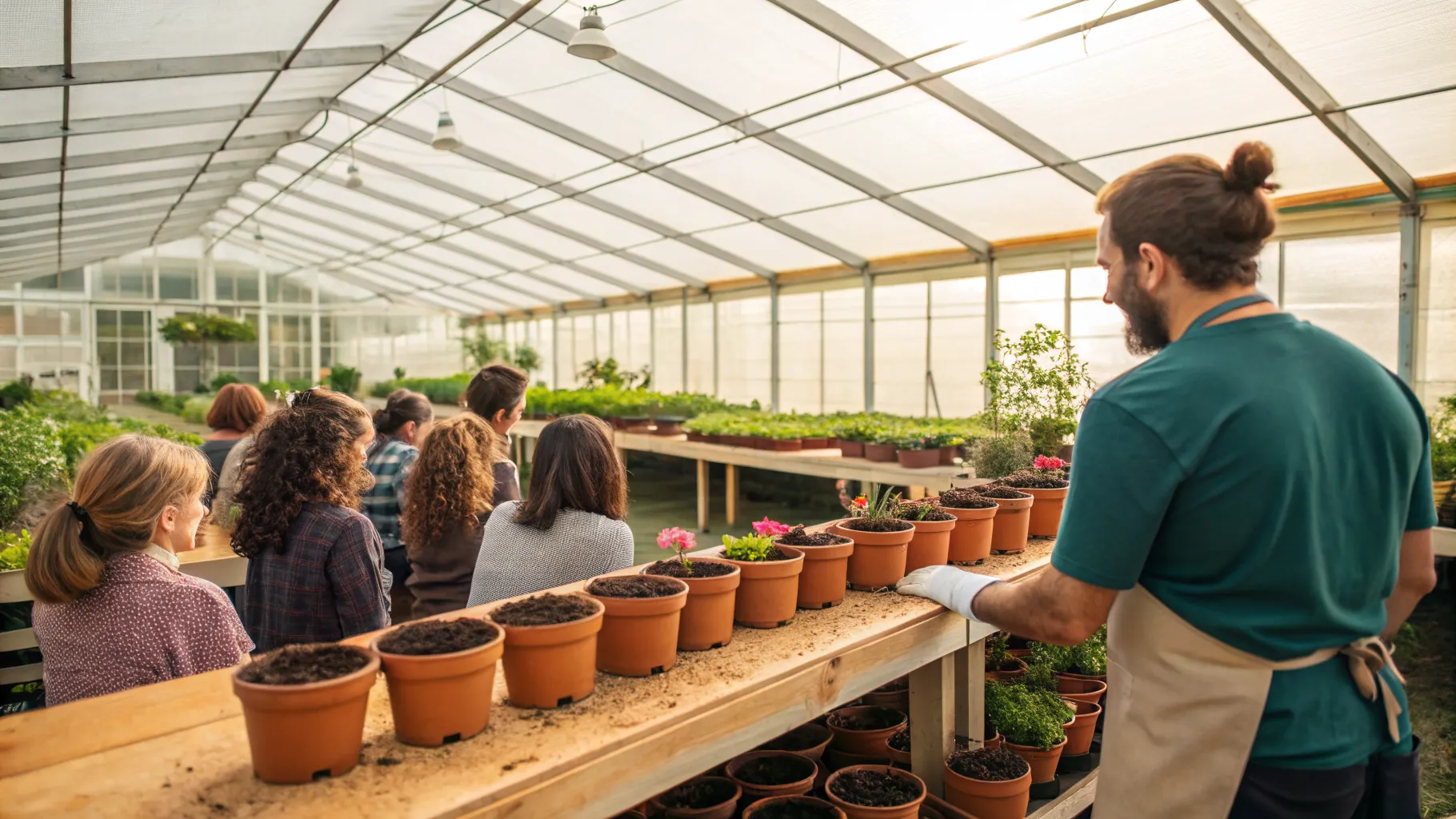
What to Expect in Beginner Flower Gardening Classes
When you sign up for gardening classes aimed at newcomers, you are investing in a comprehensive education. A typical curriculum covers a wide array of essential topics. You'll start with the absolute basics of beginner flower gardening, such as understanding your specific climate zone and how it affects plant choice. Instructors will guide you through the critical process of soil analysis and amendment, teaching you how to create the perfect foundation for your plants. You will also learn flower gardening techniques like proper seed starting, transplanting seedlings without shock, and companion planting to naturally deter pests. Many flower growing workshops also include modules on tool selection and maintenance, watering schedules, and the fundamentals of organic pest and disease management, providing a holistic and practical learning experience.
Choosing the Right Gardening Classes for You
The variety of flower gardening classes for beginners available today means there is a perfect fit for every learning style and schedule. In-person workshops at local botanical gardens, community centers, or nurseries offer invaluable hands-on experience and the opportunity to connect with fellow gardening enthusiasts. These are often the best choice for those who learn by doing. Alternatively, online gardening classes provide incredible flexibility, allowing you to learn at your own pace from the comfort of your home. These digital courses often feature detailed video tutorials, downloadable resources, and online forums for student interaction. When selecting a course, consider the instructor's expertise, the curriculum's depth, and student reviews. Some specialized flower growing workshops might focus on specific types of flowers, like roses or dahlias, which can be a great next step after completing a general course.
Essential Skills You'll Master in a Workshop
Participating in a structured class accelerates your learning curve significantly. You'll move from uncertainty to confidence by mastering core competencies that are crucial for any successful gardener. These aren't just abstract concepts; they are actionable skills you will use for years to come.
- Soil Science and Preparation: You will learn to identify your soil type (clay, loam, sandy) and how to amend it with compost and other organic matter to create a nutrient-rich environment where flowers can thrive. This is the single most important aspect of beginner flower gardening.
- Strategic Plant Selection: Instructors will teach you how to read plant tags and select annuals and perennials that are best suited for your specific light conditions, soil type, and climate. This knowledge prevents costly mistakes and ensures a garden full of healthy, blooming plants.
- Proper Planting and Spacing: A key part of any course is the hands-on practice of planting. You'll learn flower gardening techniques for correct planting depth and spacing to ensure plants have enough room to grow to their mature size, promoting good air circulation and reducing disease risk.
- Watering and Fertilizing Wisely: Many beginners overwater or underwater their plants. The best flower gardening classes for beginners teach you how to assess moisture levels and provide the right amount of water, as well as how and when to apply fertilizer for optimal growth and flowering.
Beyond the Basics: Continuing Your Gardening Journey
Completing your first course is just the beginning. The world of gardening is vast and endlessly rewarding. Your initial flower growing workshops will give you a solid foundation and the confidence to experiment further. Consider joining a local gardening club to share knowledge and plants with other enthusiasts in your community. Start a gardening journal to track your successes and challenges, which will become an invaluable personal resource over time. Don't be afraid to try growing more challenging plants as your skills develop. The journey of beginner flower gardening evolves into a lifelong passion, and the initial investment in high-quality gardening classes is what makes that long-term success possible.
Frequently Asked Questions
How much do flower gardening classes for beginners typically cost?
The cost can vary widely depending on the provider and format. A single-day workshop at a local community garden might cost between $50 and $150, while a multi-week university extension course could range from $200 to $500. Online gardening classes often offer a range of pricing, including subscription models.
Do I need to bring my own tools to a gardening class?
Most in-person flower growing workshops will provide all the necessary tools and materials for the class activities. However, it's always a good idea to check the course description or contact the organizer beforehand. They will often recommend bringing your own gardening gloves.
What is the main benefit of taking a class versus learning online for free?
While free resources are abundant, a structured class provides expert guidance, a curated curriculum, and the ability to ask questions in real-time. This personalized feedback is crucial for beginner flower gardening, as it helps correct mistakes early and builds a strong foundational understanding that is often hard to achieve alone.
How long does it take to learn flower gardening?
You can learn the basics in a single weekend workshop, but gardening is a skill that grows with experience. After taking flower gardening classes for beginners, you'll have the core knowledge to get started, but you will continue to learn flower gardening with each new season and each new plant you grow.
References
- Journal of Horticultural Education
- National Gardening Association Annual Survey
- Community Gardening Outreach Program Studies
- Principles of Modern Horticulture, 4th Edition