Finding Your Dream Move-in Ready Manufactured Home in the United States
Fast Facts:
- Over 20 million Americans reside in manufactured homes.
- Growing demand for flexible, affordable housing solutions for manufactured homes.
Exploring the Appeal of Move-in Ready Manufactured Homes
The pursuit of homeownership often leads individuals to explore various avenues, with **move-in ready manufactured homes** emerging as a compelling option in the United States. These residences offer a unique blend of affordability, efficiency, and modern design, challenging outdated perceptions. Unlike traditional site-built houses, **manufactured homes** are constructed in a factory setting under controlled conditions, which often leads to higher quality control and faster build times. The 'move-in ready' aspect signifies that these homes are often delivered to a prepared site, fully finished and equipped for immediate occupancy, making them an attractive choice for those seeking a streamlined and less stressful home-buying experience. This section delves into the intrinsic appeal of these modern housing solutions, highlighting their role in expanding access to comfortable and quality **affordable housing** across the nation.
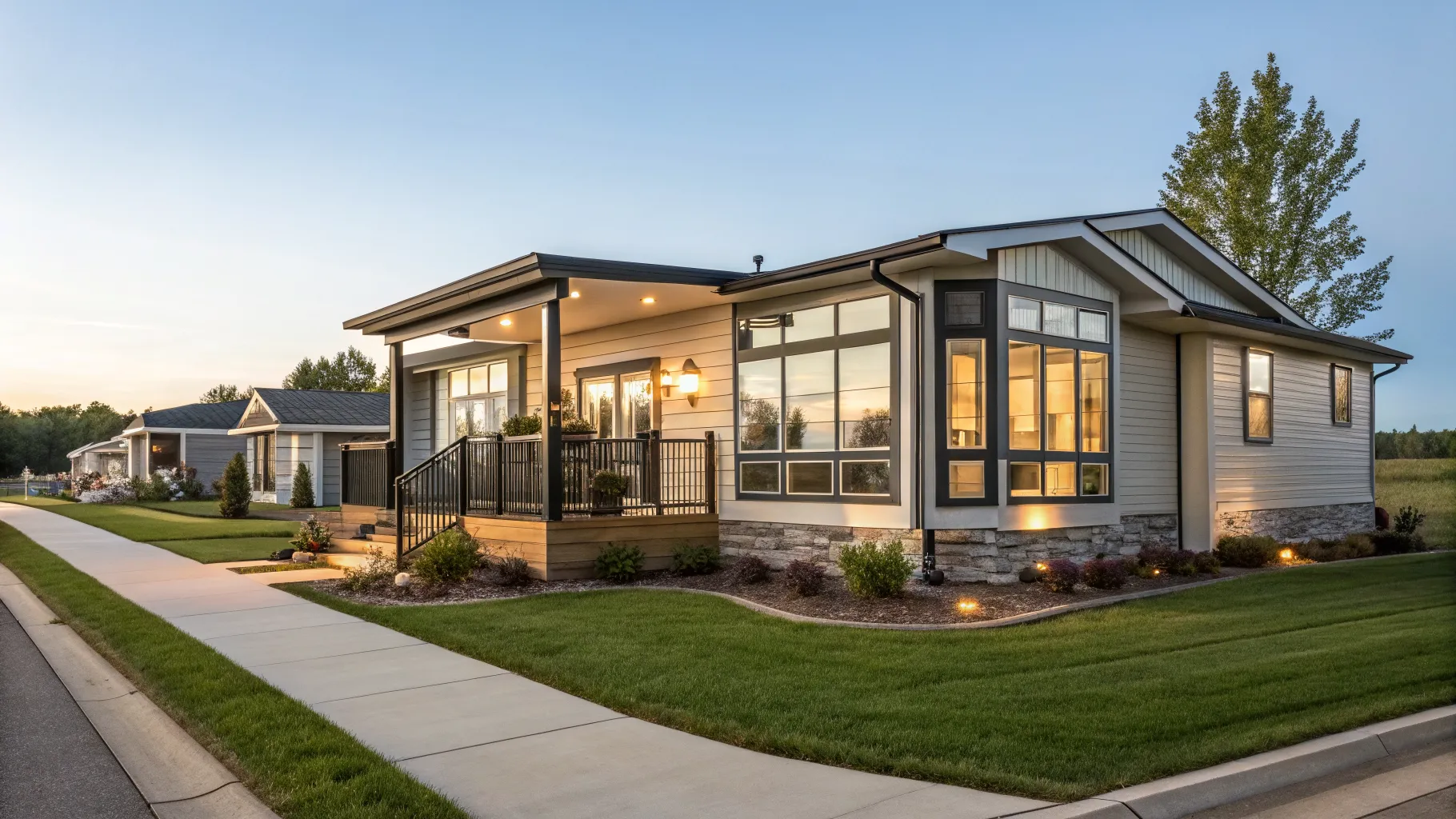
The Evolution of Modern Manufactured Homes
Gone are the days when **manufactured homes** were associated with flimsy structures and transient living. Today's **new manufactured homes** are a testament to innovation in construction and design, offering robust build quality, energy efficiency, and stylish aesthetics that rival or even surpass traditional stick-built houses. Advances in material science, construction techniques, and architectural design have transformed these residences into sophisticated, durable, and highly customizable living spaces. Modern **prefabricated homes** adhere to stringent HUD (Housing and Urban Development) codes, ensuring safety, structural integrity, and energy performance. This evolution has led to a significant increase in consumer confidence and a broader acceptance of **manufactured homes** as a viable and desirable long-term housing solution, providing comfortable and contemporary living environments for families and individuals alike across the U.S.
Benefits of Choosing a Move-in Ready Option
Opting for **move-in ready manufactured homes** offers a multitude of advantages, particularly for those seeking efficiency, cost savings, and convenience in their homeownership journey. The primary appeal lies in the ready-to-live nature of these properties, eliminating the extensive construction timelines and potential delays often associated with custom-built homes. Buyers can bypass the complexities of coordinating various contractors, sourcing materials, and overseeing construction, stepping directly into a fully functional and often beautifully finished home. This streamlined process is a major draw for individuals and families who need to relocate quickly or prefer a hassle-free transition into their new residence. Furthermore, the factory-built nature of these homes often translates to significant cost efficiencies, making them a cornerstone of **affordable housing** solutions.
Streamlined Purchase Process
The purchasing process for **move-in ready manufactured homes** is remarkably straightforward compared to traditional real estate transactions. Once a home design and location are chosen, the path from selection to ownership is typically much shorter. Manufacturers often offer comprehensive packages that include the home, delivery, and basic setup, simplifying the buyer's responsibilities. This integrated approach means less paperwork, fewer decision points, and a more predictable timeline, which is highly beneficial for first-time homebuyers or those unfamiliar with the intricacies of real estate. The clear pricing structures and predefined features further contribute to a transparent and uncomplicated buying experience.
Immediate Occupancy Advantages
One of the most compelling benefits of **move-in ready homes** is the ability to occupy them almost immediately upon completion of site preparation. This significantly reduces interim living costs, such as rent or temporary accommodation, which can be a substantial financial burden during the construction phase of a traditional home. For those facing tight deadlines or urgent relocation needs, the instant gratification of a ready home is invaluable. It allows families to settle in quickly, establish routines, and begin enjoying their new living space without prolonged waiting periods. This rapid transition is a critical factor driving the popularity of **new manufactured homes** in today's dynamic housing market.
Navigating the Market for Manufactured Homes in the US
The market for **manufactured homes** in the United States is diverse and dynamic, offering a wide array of options from single-section homes to multi-section estates. Understanding how to navigate this market effectively is crucial for securing the ideal **move-in ready home**. Prospective buyers should research different manufacturers, compare models, and evaluate various communities or private land options. It's essential to consider factors such as local zoning regulations, community amenities, and potential appreciation of the property. Engaging with experienced real estate agents specializing in **manufactured homes** can provide invaluable insights and guidance throughout the search process, helping buyers identify properties that meet their specific needs and budget for **affordable housing** solutions.
Key Factors in Site Selection
Site selection is a critical component when purchasing a **new manufactured home**. Buyers must decide whether they prefer to place their home in a leased land community or on private land. Each option presents distinct advantages and disadvantages. Communities often offer amenities like clubhouses, pools, and organized activities, alongside professional management and shared infrastructure. Conversely, private land provides greater freedom in terms of landscaping, home modifications, and long-term equity building. Researching local utility access, septic or sewer systems, and proper foundation requirements is paramount to ensuring a smooth and successful installation of your **prefabricated home**. The long-term value and livability of the home are significantly influenced by the chosen site, making this decision as important as the home itself.
Financing Your Manufactured Home Investment
Securing financing for **manufactured homes** is a process that has evolved considerably, offering various options tailored to this unique housing sector. Unlike traditional mortgages for site-built homes, financing for **manufactured homes** can sometimes differ, especially if the home is placed on leased land or not permanently affixed to real estate. chattel loans are common for homes on leased land, while FHA, VA, and conventional mortgages are available for homes placed on permanent foundations on owned land. It is crucial for buyers to understand the specific loan products available and to compare interest rates, terms, and eligibility requirements. Consulting with lenders experienced in **manufactured homes** financing is highly recommended to ensure the best possible terms and to navigate the intricacies of securing an **affordable housing** loan for your new residence.
Customization and Features of Modern Prefabricated Homes
Modern **prefabricated homes** offer an astonishing degree of customization, allowing buyers to personalize their living space to suit their individual tastes and needs. Far from the cookie-cutter image of the past, today's **manufactured homes** boast a vast array of floor plans, architectural styles, and interior finishes. Buyers can select everything from kitchen layouts, bathroom fixtures, and flooring materials to exterior siding, roofing, and window styles. Many manufacturers also offer optional upgrades such as energy-efficient appliances, smart home technology, and accessibility features. This flexibility ensures that each **new manufactured home** can be a unique reflection of its owner, blending personal style with the practical benefits of factory construction. The ability to design a home that feels truly custom while enjoying the cost and time advantages of a **move-in ready home** is a significant draw.
Future Trends in Manufactured Housing
The future of **manufactured homes** is poised for continued growth and innovation, driven by evolving consumer demands and technological advancements. Expect to see further integration of sustainable building practices, with a greater emphasis on energy efficiency, renewable materials, and reduced environmental impact. Smart home technologies, already a feature in many **new manufactured homes**, will become even more sophisticated, offering enhanced convenience, security, and energy management. The industry is also likely to explore new modular construction techniques and material innovations to further improve durability, design flexibility, and affordability. As the need for **affordable housing** solutions continues to grow, **prefabricated homes** are set to play an increasingly vital role, providing high-quality, sustainable, and adaptable living spaces for a diverse population.
Frequently Asked Questions
What are the primary advantages of purchasing move-in ready manufactured homes?
The main advantages include significant cost savings compared to traditional homes, faster construction and occupancy times, and a streamlined purchasing process. These homes are built in a controlled factory environment, often leading to higher quality control and reduced material waste, offering an excellent solution for those seeking **affordable housing** quickly.
How does financing for manufactured homes differ from traditional stick-built houses?
Financing for **manufactured homes** can vary. If the home is on owned land with a permanent foundation, it can often qualify for traditional mortgages (FHA, VA, conventional). If it's on leased land or without a permanent foundation, chattel loans are more common. It's crucial to consult with lenders specializing in **manufactured homes** to explore all options and secure the best terms.
Can new manufactured homes be customized to personal preferences?
Absolutely. Modern **new manufactured homes** offer extensive customization options, including floor plans, interior finishes, exterior styles, and optional upgrades like smart home technology and energy-efficient appliances. This allows buyers to personalize their **prefabricated homes** to reflect their unique tastes and needs.
Are prefabricated homes a good long-term investment for affordable housing?
When placed on owned land with a permanent foundation and well-maintained, **prefabricated homes** can appreciate in value similar to traditional homes. They offer a stable and accessible path to homeownership and building equity. Their role in providing quality **affordable housing** makes them a valuable investment, particularly in areas with high housing costs.
References
- U.S. Department of Housing and Urban Development (HUD) Official Standards for Manufactured Homes
- Manufactured Housing Institute (MHI) Industry Reports
- National Association of Home Builders (NAHB) Data on Prefabricated Construction