Exploring the World of Arts and Craft Classes: A Beginner's Guide
Taking an arts and craft class is a fantastic way to learn a new skill, relax your mind, and connect with like-minded individuals. Whether you're a complete novice or looking to refine an existing talent, there's a creative workshop out there for you. This guide will walk you through what to expect, the different types of classes available, and how to select the one that best fits your interests and lifestyle.
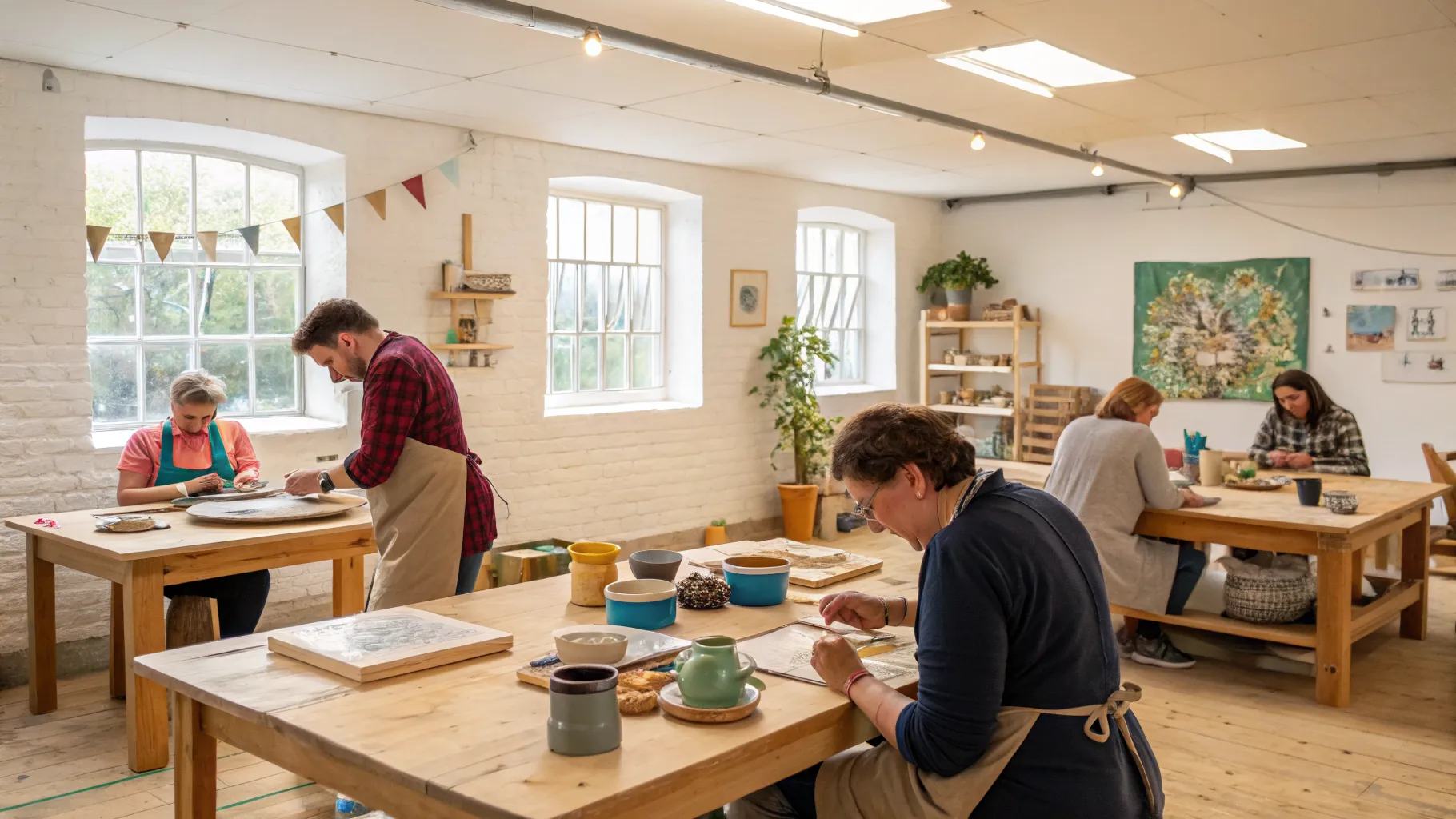
The Many Benefits of Creative Workshops
Engaging in a hands-on craft offers numerous benefits beyond just the final product. Many people find that activities like pottery, painting, or knitting have a meditative quality, helping to reduce stress and promote mindfulness. Focusing on a tangible project allows you to step away from daily worries and digital distractions, offering a much-needed mental reset. It's an opportunity to engage your mind and body in a coordinated, fulfilling way.
Beyond the mental wellness aspect, craft classes are an excellent way to develop new skills and build confidence. The structured environment, guided by an experienced instructor, helps you learn techniques correctly from the start. Completing a project, whether it's a hand-knit scarf or a ceramic mug, provides a powerful sense of accomplishment. This process of learning and creating can boost your self-esteem and encourage you to tackle other new challenges.
Popular Types of Arts and Craft Classes
The world of crafts is vast and varied, with classes catering to almost any interest. Some workshops focus on traditional skills that have been passed down for generations, while others explore more contemporary creative outlets. Finding the right fit often starts with exploring the most common categories and seeing what sparks your curiosity.
- Pottery and Ceramics: These classes teach you to shape clay, either on a potter's wheel or through hand-building techniques. You'll learn about glazing and firing to create functional items like bowls and mugs.
- Painting and Drawing: From watercolor and acrylics to charcoal sketching, these workshops cover fundamental principles like composition, color theory, and technique.
- Fiber Arts: This broad category includes knitting, crochet, weaving, macrame, and embroidery. These classes are perfect for anyone interested in creating textiles, clothing, or decorative items.
- Jewelry Making: Learn how to work with beads, wire, and metal to design and create your own unique pieces of jewelry like earrings, necklaces, and bracelets.
- Woodworking: Introductory woodworking classes often focus on creating small, functional items like cutting boards or small boxes, teaching essential safety and tool-handling skills.
Where to Find Local and Online Classes
Finding a craft class is easier than ever, with options available in most communities and online. For in-person experiences, start by checking with local community centers, which often offer affordable programs for residents. Dedicated art schools, private artist studios, and even some craft supply stores also host a wide range of workshops for different skill levels. These local options provide a great way to meet people in your area who share your interests.
If you prefer the convenience of learning from home, the internet offers a wealth of opportunities. Many artists and studios now provide live virtual workshops via video conferencing, allowing for real-time interaction and feedback. There are also numerous online learning platforms with extensive libraries of pre-recorded classes that you can take at your own pace. This flexibility makes it possible to learn almost any craft, no matter where you live.
What to Expect in Your First Craft Class
Walking into your first class can be exciting, but it's also normal to feel a little nervous. Most beginner workshops are designed to be welcoming and low-pressure. A typical session begins with introductions, followed by the instructor demonstrating the core techniques for the day's project. Then, you'll get to the hands-on portion, with the instructor circulating to offer individual guidance and support.
In most introductory classes, all the necessary materials and tools are provided, so you usually don't need to bring anything besides your enthusiasm. The atmosphere is generally collaborative and friendly rather than competitive. The focus is on the process of learning and enjoying yourself, not on achieving perfection. Don't be afraid to ask questions and embrace the learning curve; everyone in the room is there to learn.
How to Choose the Right Class for You
With so many options, picking the right class involves considering a few key factors. Thinking about your goals, budget, and schedule ahead of time will help you find a workshop that you'll truly enjoy and get the most out of. The goal is to find an experience that fits seamlessly into your life and aligns with your creative aspirations.
First, consider your skill level and be honest about it. Look for classes specifically labeled as 'beginner' or 'introductory' if you are new to a craft. Next, think about time commitment. A single-day workshop is a great, low-commitment way to try something new, whereas a multi-week course allows for deeper skill development. Also, review the cost and what it includes. Some class fees cover all materials, while others may require you to purchase your own supplies. Finally, and most importantly, choose a craft that genuinely fascinates you.
Online vs. In-Person Workshops
Both in-person and online classes have their own unique advantages, and the best choice depends on your learning style and circumstances. In-person classes offer the significant benefit of direct, hands-on guidance from an instructor. It's also easier to build a sense of community and camaraderie with fellow students when you're all sharing the same physical space and materials.
On the other hand, online classes provide unparalleled flexibility and convenience. You can learn from an expert who lives halfway around the world, all from the comfort of your own home and often on your own schedule. While you may miss out on some of the social aspects, online learning can be a more accessible and sometimes more affordable option, especially if you already have some of the basic tools and supplies needed for the craft.