Exploring Creativity: A Guide to Pottery Classes for Older Adults
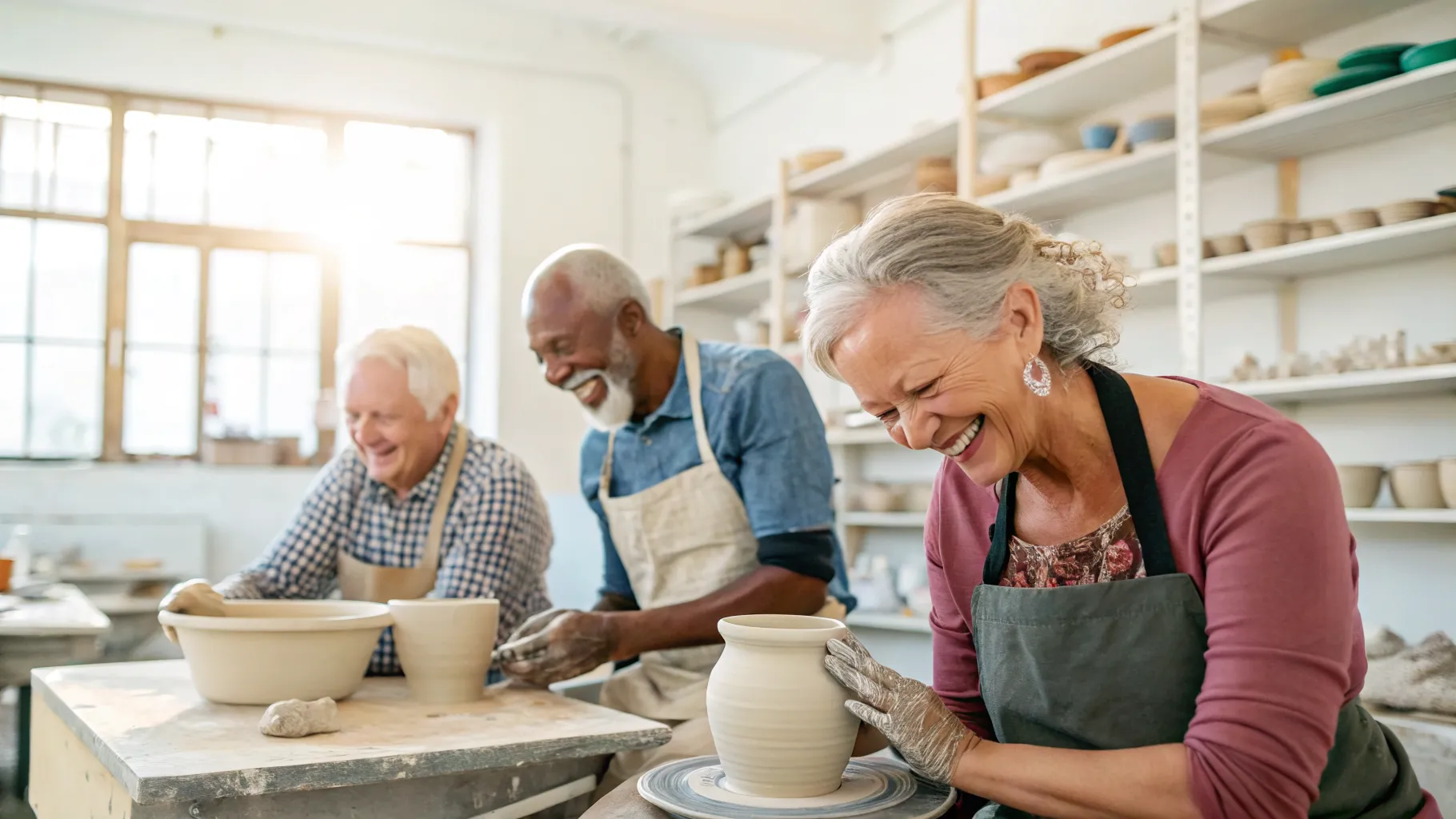
Taking up a new hobby later in life can be a joyful experience, and pottery offers a unique blend of creativity, mindfulness, and gentle physical activity. For many seniors, working with clay provides a wonderful outlet for self-expression and a chance to learn a timeless craft. Whether you're interested in making a simple bowl or a decorative sculpture, a pottery class can open the door to a rewarding and engaging pastime.
The Therapeutic Benefits of Pottery
Working with clay is often described as a meditative practice. The tactile nature of shaping and molding the material requires focus, which can help quiet the mind and reduce feelings of stress. This mindful activity allows you to be present in the moment, offering a welcome break from daily worries. The rhythmic process of centering clay on a wheel or hand-building a form can be incredibly calming and centering.
Beyond the mental benefits, pottery also offers gentle physical advantages. It helps maintain and improve hand-eye coordination and dexterity. The process of wedging, pinching, and shaping clay strengthens hands and wrists without being overly strenuous. It's a low-impact activity that encourages fine motor skills, which is beneficial for maintaining independence and confidence in everyday tasks.
What to Expect in a Beginner's Class
Stepping into a pottery studio for the first time can be exciting. A typical beginner's class is designed to be welcoming and pressure-free, focusing on the fundamentals. An instructor will usually start by introducing you to the different types of clay, the tools you'll be using, and basic studio safety and etiquette. You'll likely watch a demonstration of a core technique before getting your own hands dirty.
Most introductory courses cover the entire process, from preparing the clay to the final glazed piece. Don't worry about creating a masterpiece on your first try; the goal is to learn and have fun. Classes are often small, allowing for personalized attention from the instructor. You'll work alongside other beginners in a supportive environment, sharing in the learning process and celebrating each other's creations.
Key Pottery Techniques You'll Learn
Pottery can generally be divided into two main categories: wheel throwing and hand-building. While wheel throwing is what many people picture when they think of pottery, many beginner classes for seniors focus on hand-building because it doesn't require the same level of physical strength or coordination and offers immense creative freedom. Your instructor will guide you through the basics of each method.
Hand-building itself involves several foundational techniques that you are likely to learn. These methods are versatile and can be used to create a wide variety of functional and sculptural pieces.
- Pinch Pots: This is often the first technique taught. It involves starting with a ball of clay and using your thumb and fingers to pinch it into a small bowl or vessel.
- Coil Building: This method involves rolling out long, snake-like coils of clay and stacking them on top of one another to build up the walls of a pot.
- Slab Building: With this technique, you roll out flat slabs of clay, cut them into shapes, and join them together to create more angular forms, like boxes or mugs.
The Pottery Process from Start to Finish
Creating a finished ceramic piece is a multi-step process that requires patience. After you've shaped your piece using hand-building or wheel-throwing techniques, it must dry completely. When it is leather-hard (firm but still cool to the touch), it can be trimmed or decorated. Once it's bone-dry, it's called 'greenware' and is very fragile.
The greenware is then put into a kiln for its first firing, called a bisque firing. This hardens the clay, making it porous and ready for glazing. After the bisque firing, you can apply glazes, which are essentially a type of liquid glass that adds color and a protective coating. The final step is the glaze firing, where the piece is fired in the kiln again at a much higher temperature. This melts the glaze, creating the final, durable ceramic object.
Finding the Right Pottery Class for You
Pottery classes for seniors are often available through various local organizations. A great place to start your search is at community recreation centers, senior centers, or local art studios. Many community colleges also offer continuing education courses in ceramics that are open to people of all ages. These venues often provide a relaxed and social learning environment perfect for older adults.
When choosing a class, there are a few things to consider to ensure it's a good fit. Look into the class size; a smaller group often means more one-on-one time with the instructor. Ask about the experience of the instructor, especially if they have experience teaching older adults. Finally, inquire about what the class fee includes, such as clay, tools, glazes, and firing costs, so you know what to expect.
What to Look for in a Senior-Friendly Studio
The physical environment of the studio can greatly impact your comfort and enjoyment. A senior-friendly studio should be well-lit, clean, and have clear pathways to move around safely. Comfortable seating is also important, as you may be sitting for extended periods. Look for studios that offer chairs with good back support and workstations at a comfortable height.
Accessibility is another key factor. Check if the studio is on the ground floor or has elevator access. Some studios offer adaptive tools or tabletop pottery wheels, which can be easier to use than traditional kick wheels. Most importantly, look for a studio with a welcoming and non-competitive atmosphere where you feel encouraged to learn at your own pace and connect with fellow students.