Essential Winter Safety Tips for Seniors: A Comprehensive Guide
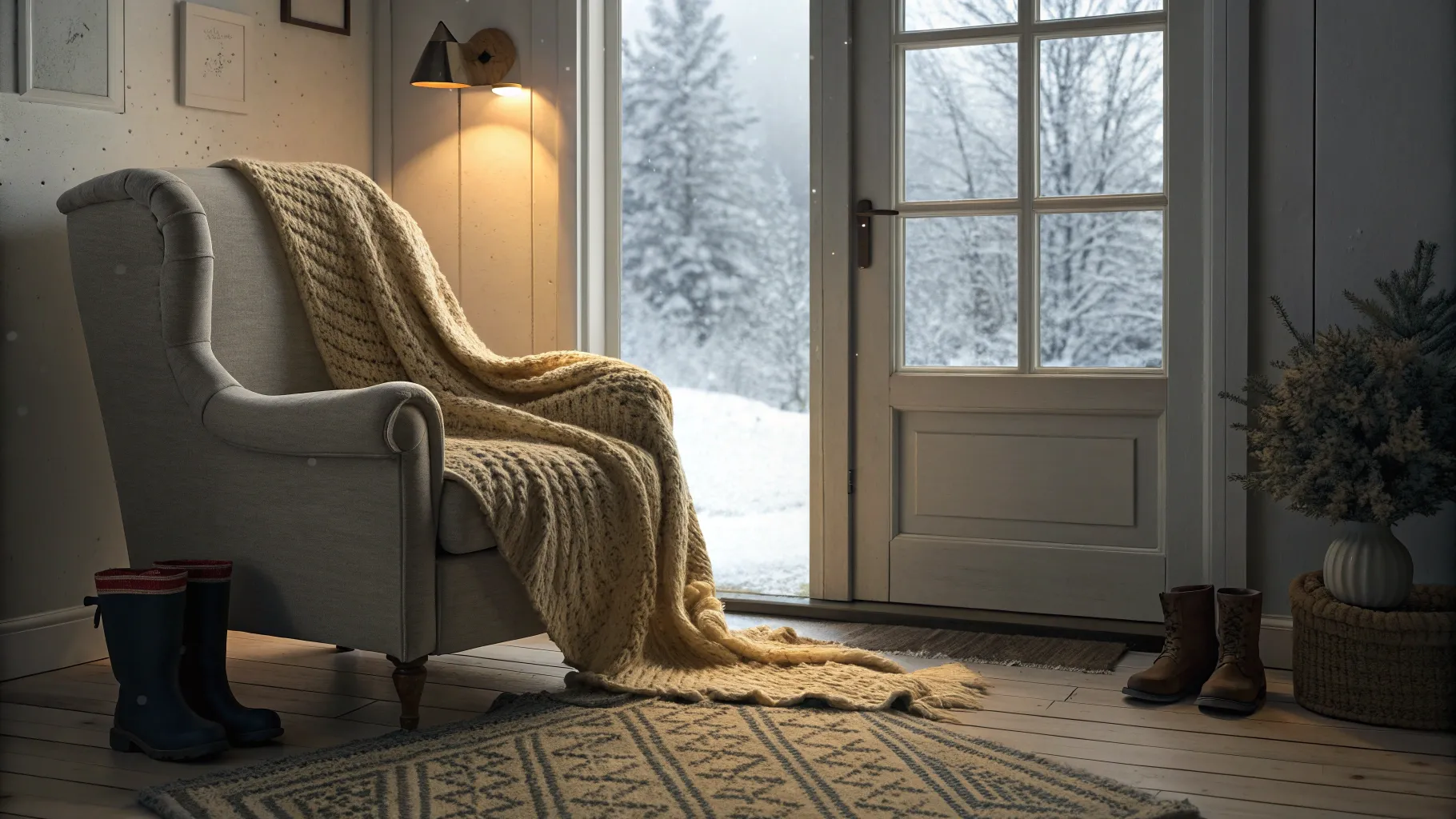
Winter brings cozy scenes of snowfall and holidays, but it also presents unique challenges, especially for older adults. Cold temperatures, ice, and snow can increase the risk of injury and illness. Therefore, understanding winter safety tips for older adults is crucial for enjoying the season safely and comfortably. This guide provides essential information on cold weather safety for older adults, covering everything from home preparation to personal health.
Mastering Winter Fall Prevention for Seniors
Falls are a leading cause of injury among older adults, and winter conditions significantly heighten this risk. Icy sidewalks and slippery steps can be treacherous. Implementing effective winter fall prevention for seniors is a top priority.
- Wear Proper Footwear: Choose boots with non-skid soles to provide good traction on ice and snow. Avoid shoes with smooth or worn-out soles.
- Take Your Time: Rushing increases the risk of slipping. Walk slowly and deliberately, taking short steps to maintain your balance.
- Use Assistive Devices: If you use a cane or walker, ensure the tip is in good condition and provides a firm grip. An ice gripper attachment can be added for extra stability.
- Keep Walkways Clear: Arrange for someone to clear your driveway, steps, and sidewalks of snow and ice. Use salt or sand to improve traction.
Staying Warm Safely in Winter
Maintaining a safe body temperature is vital during the cold months. Older adults are more susceptible to hypothermia, a dangerous drop in body temperature. Following these tips for staying warm safely in winter can make all the difference.
Indoor Warmth
Set your thermostat to a comfortable temperature, ideally between 68-70°F (20-21°C). To save on heating bills, you can close off unused rooms. It's also important to ensure your heating system is working correctly. Never use an oven or stove to heat your home, as this can be a fire hazard and lead to carbon monoxide poisoning. Have a working carbon monoxide detector.
Dressing in Layers
Wear multiple layers of loose-fitting clothing. The layers trap air, which acts as insulation to keep you warm. A base layer that wicks moisture, a middle insulating layer, and an outer waterproof layer work best when heading outside.
Navigating Cold Weather Safety for Older Adults Outdoors
When you need to venture outside, proper preparation is key. Understanding the principles of cold weather safety for older adults helps prevent dangerous conditions like frostbite and hypothermia.
- Limit Exposure: Minimize time spent outdoors in severe cold, especially if it's windy.
- Protect Your Extremities: Wear a warm hat, gloves or mittens, a scarf, and thick socks. A significant amount of body heat is lost through the head.
- Stay Dry: Wet clothing chills the body quickly. If your clothes get damp from snow or sweat, change into dry ones as soon as possible.
- Inform Others: Let someone know where you are going and when you expect to return, especially if you are traveling or walking in a remote area.
Preparing Your Home and Vehicle for the Season
Proactive preparation of your living space and transportation is a core component of our winter safety tips for seniors. A well-prepared home and car can prevent emergencies.
Home Preparedness
Create an Emergency Kit: Prepare a kit with non-perishable food, bottled water, flashlights, extra batteries, a first-aid kit, and any necessary medications. Ensure you have enough supplies for several days in case of a power outage.
Winterize Your Home: Check for drafts around windows and doors. Use weatherstripping or caulk to seal any leaks. Ensure your home's insulation is adequate to keep the heat in.
Vehicle Safety
If you drive, get your car serviced before winter arrives. Check the tires, battery, and antifreeze. Keep an emergency kit in your vehicle that includes blankets, a flashlight, jumper cables, and a snow scraper.
Maintaining Health and Wellness Through Winter
Physical and mental health are just as important as environmental safety during the winter. A holistic approach is essential for understanding winter safety tips for older adults.
- Stay Hydrated and Eat Well: It's easy to become dehydrated in winter. Continue drinking plenty of water. Eat warm, nutritious meals like soups and stews to help keep your body warm.
- Stay Active Indoors: Regular physical activity helps boost your immune system and mood. Look for indoor exercises you can do, such as stretching, walking in an indoor mall, or following an online fitness class.
- Combat Social Isolation: Shorter days and harsh weather can lead to feelings of isolation. Stay connected with family and friends through phone calls, video chats, or safe, planned visits.
References:
www.nia.nih.gov/health/cold-weather-safety-older-adults
www.cdc.gov/disasters/winter/index.html
www.redcross.org/get-help/how-to-prepare-for-emergencies/types-of-emergencies/winter-storm.html