Comprehensive Guide to Epidermolysis Bullosa Treatment and Care
Epidermolysis Bullosa (EB) is a group of rare genetic conditions that cause the skin to be extremely fragile, leading to painful blisters and wounds from minor friction or trauma. For individuals and families affected by EB, understanding the available care options is crucial. This guide provides essential epidermolysis bullosa treatment information, covering the latest advancements and foundational practices for managing this complex condition.
Understanding Epidermolysis Bullosa Treatment Goals
The primary goal when treating Epidermolysis Bullosa is not yet a cure, but a comprehensive management plan aimed at protecting the skin, promoting wound healing, and improving quality of life. An effective strategy involves a multidisciplinary team of healthcare professionals. The core objectives of any treatment plan include preventing new blisters, caring for existing wounds to prevent infection, managing pain, and addressing nutritional needs and other complications. Gaining a clear perspective on understanding epidermolysis bullosa treatment is the first step toward effective management.
Foundational EB Care Approaches
Daily care is the cornerstone of managing EB. These foundational EB care approaches are critical for protecting fragile skin and minimizing discomfort. Key practices include:
- Gentle Handling: Lifting or moving individuals with EB must be done with extreme care to avoid shearing forces on the skin.
- Protective Padding: Using soft materials like sheepskin or foam on surfaces such as car seats and chairs can reduce friction.
- Specialized Clothing: Opting for soft, seamless clothing and avoiding tight bands or tags helps prevent irritation.
- Temperature Control: Keeping the environment cool can help reduce itching and the formation of new blisters.
Advanced Wound Care for Epidermolysis Bullosa
Proper wound care for epidermolysis bullosa is vital to prevent infection and promote healing. Blisters must be lanced with sterile needles to drain fluid and prevent them from enlarging. Afterward, applying non-adherent dressings is essential.
Choosing the Right Dressings
The choice of dressing is critical. Ideal dressings should protect the wound, manage moisture, and be easily removable without causing further skin damage. Common types include:
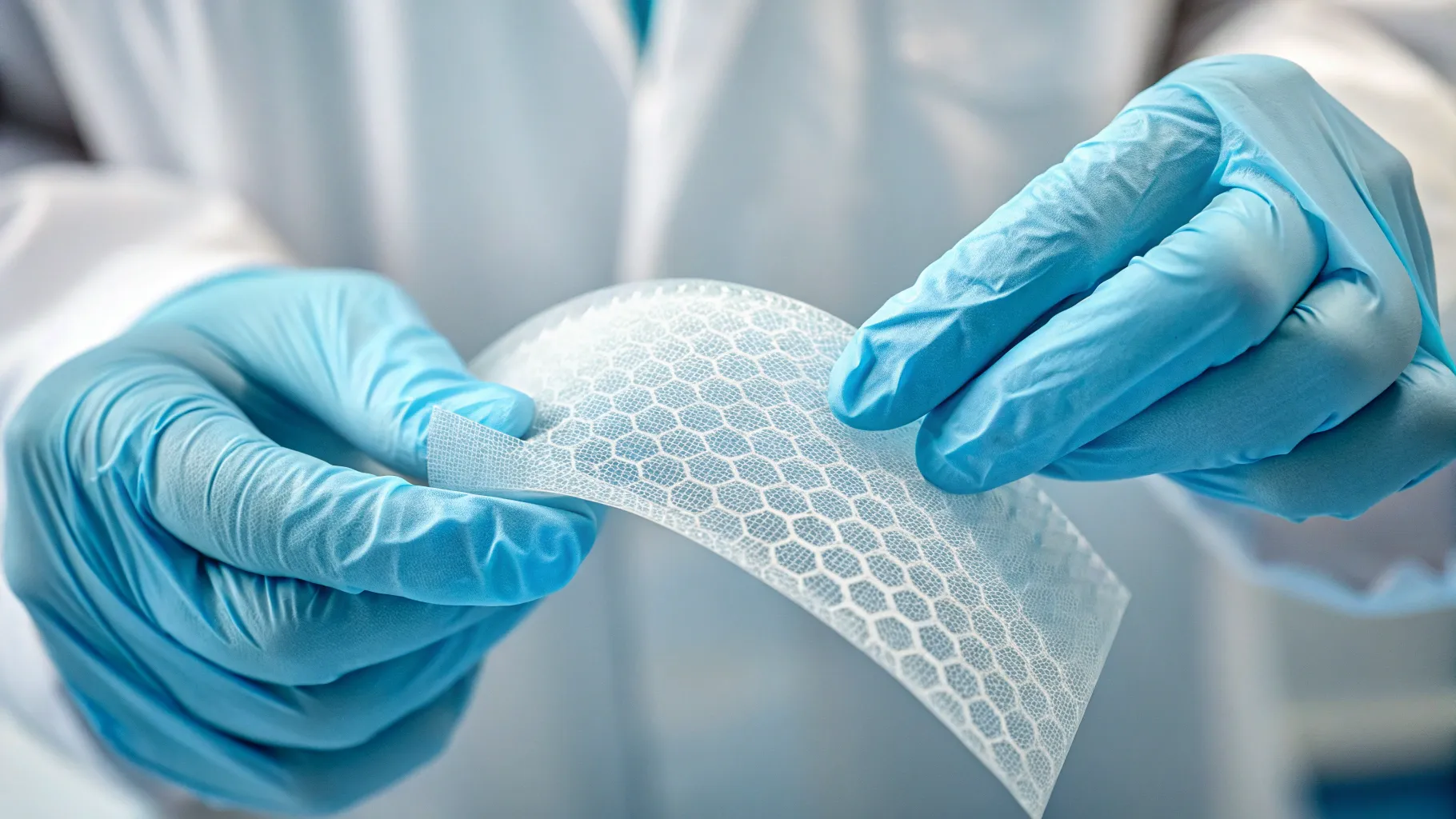
- Silicone-based dressings: These are gentle on the skin and can often be repositioned without losing adherence.
- Foam dressings: Excellent for absorbing fluid from weeping wounds.
- Hydrogels: These can provide moisture to dry wounds and offer a cooling, soothing effect.
Managing EB Symptoms Beyond the Skin
Effectively managing EB symptoms extends beyond cutaneous care. The condition can affect multiple organ systems, requiring a holistic approach. This includes managing pain, which can be significant, through both topical and systemic medications. Nutritional support is also crucial, as blistering in the mouth and esophagus can make eating difficult, and the body requires extra nutrients to heal chronic wounds. Regular dental care from a knowledgeable provider is also necessary to prevent complications.
The Evolving Landscape of EB Treatment
The field of EB treatment is continually advancing. Recent breakthroughs have led to the development of novel therapies targeting the underlying genetic causes of the disease. Topical gene therapy treatments have shown promise in promoting the healing of chronic wounds for specific types of EB. Furthermore, ongoing research into cell-based therapies and other innovative treatments offers significant hope for the future. Staying informed about the latest epidermolysis bullosa treatment information is key for patients and caregivers seeking the best possible outcomes.
References:
https://www.niams.nih.gov/health-topics/epidermolysis-bullosa
https://www.mayoclinic.org/diseases-conditions/epidermolysis-bullosa/diagnosis-treatment/drc-20361068
https://www.ebresearch.org/about-eb/