Drywall Repair Classes: A Complete Guide to Learn Drywall Repair
Facts:
- Drywall repair skills can save homeowners hundreds per project.
- A growing trend is specialized drywall workshops for DIY enthusiasts.
Mastering Flawless Walls: Your Ultimate Guide to Drywall Repair Classes
Stepping into the world of home improvement can be daunting, but few skills offer the immediate satisfaction and value of knowing how to properly repair drywall. Whether you're dealing with a small nail hole, a large crack, or damage from a water leak, professional guidance can make all the difference. This guide explores the comprehensive benefits and curriculum of drywall repair classes, designed to transform you from a novice into a confident practitioner. Enrolling in drywall repair training is an investment in your property and your own skillset, providing you with the techniques to achieve seamless, professional-quality finishes that last. It's the perfect starting point for anyone looking to learn drywall repair effectively.
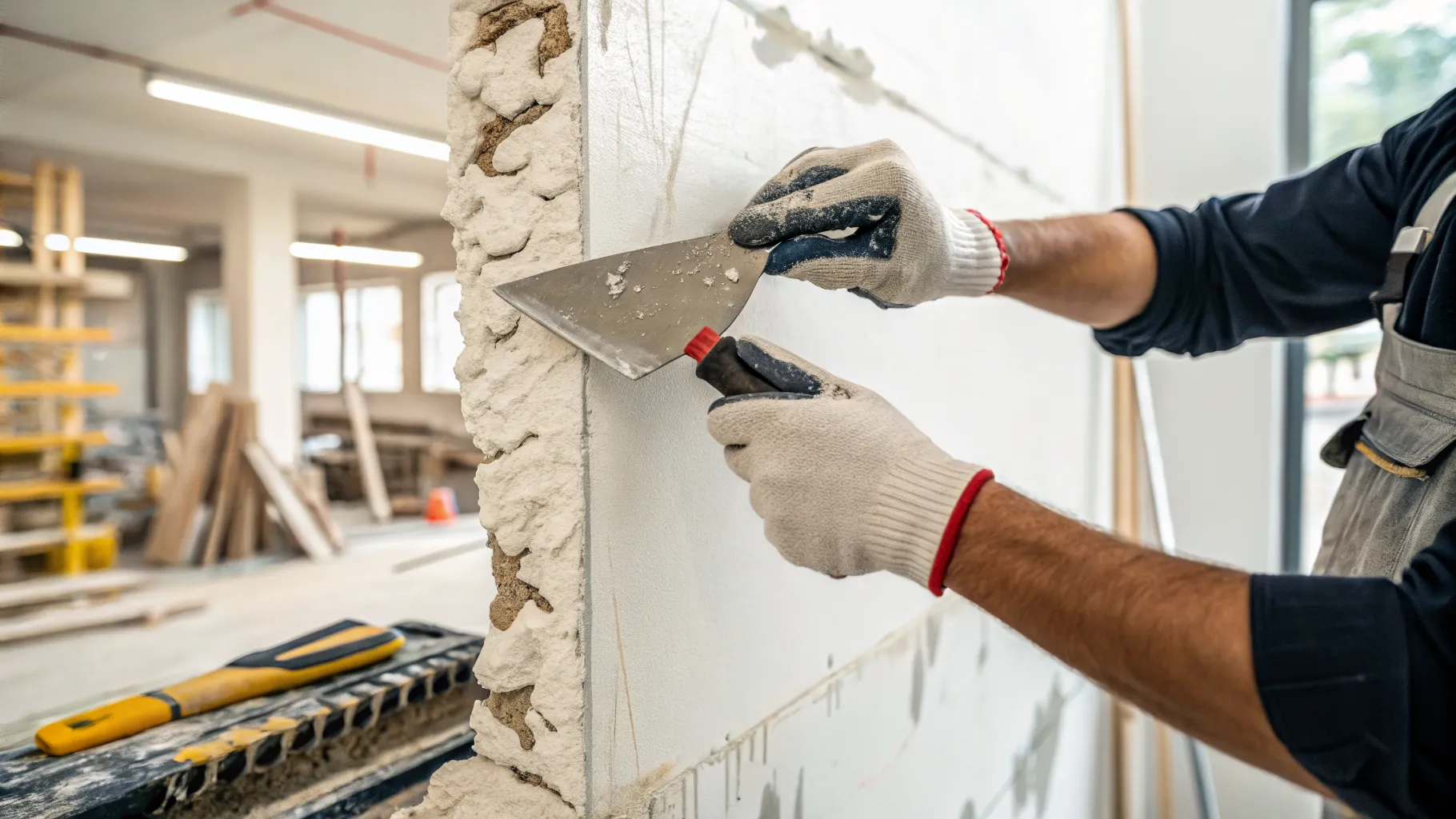
What You'll Learn in Comprehensive Drywall Workshops
A well-structured drywall repair course goes far beyond simply patching a hole. It provides a foundational understanding of materials, tools, and techniques essential for a variety of repair scenarios. These drywall workshops are tailored to build your skills progressively, ensuring you can handle increasingly complex jobs. From initial damage assessment to the final texturing touches, you will gain hands-on experience under expert supervision. The goal is to demystify the process and empower you with the knowledge to tackle any drywall issue in your home with confidence and precision.
Patching Holes of All Sizes
One of the core components of any drywall repair for beginners course is learning how to properly patch holes. Instructors will guide you through different methods, from using self-adhesive mesh patches for small punctures to cutting and fitting a new piece of drywall for larger areas of damage. You'll learn the 'butterfly patch' technique and understand when to use backing support for a structurally sound repair.
Mastering Taping and Mudding Techniques
The secret to an invisible repair lies in the taping and mudding process. This is often the most challenging part to learn drywall repair on your own. Professional drywall repair training dedicates significant time to teaching you how to apply joint compound (mud) smoothly, embed tape correctly to reinforce seams, and apply multiple thin coats to build a flat, seamless surface that blends perfectly with the surrounding wall.
Perfecting Sanding and Finishing
After the mud is dry, sanding is critical for a smooth finish. These classes teach the importance of using the right grit of sandpaper and the proper techniques, such as feathering the edges, to avoid scuffing the surrounding wall. You'll learn about wet sanding versus dry sanding and when each method is appropriate to minimize dust and achieve a flawless surface ready for primer and paint.
Choosing the Right Drywall Repair Training For You
Not all drywall repair classes are created equal. The best choice for you depends on your learning style, schedule, and specific goals. Some people thrive in a hands-on, in-person environment, while others prefer the flexibility of online courses. Community colleges, local hardware stores, and specialized trade schools often host drywall workshops. It's crucial to compare curriculums; look for courses that offer a good balance of theory and practical application. A great program in drywall repair for beginners will cover safety, tool usage, material selection, and troubleshooting common problems, providing a holistic learning experience.
Essential Tools for Drywall Repair for Beginners
A key part of your training will be familiarizing yourself with the essential tools of the trade. Having the right equipment not only makes the job easier but also contributes significantly to the quality of your final result. Here are the core tools you'll become proficient with in any quality drywall repair training course.
- Putty and Taping Knives: You'll learn the difference between various knife sizes, from a 6-inch knife for initial coats to a 10 or 12-inch knife for feathering final coats of joint compound for a smooth, wide blend.
- Joint Compound: The course will cover the types of 'mud,' including all-purpose pre-mixed compound for convenience and quick-setting 'hot mud' for faster, multi-coat repairs. You'll understand the pros and cons of each.
- Drywall Tape: Instructors in drywall repair classes will explain when to use paper tape for superior strength at joints versus fiberglass mesh tape for its ease of use on patches.
- Sanding Tools: From simple sanding sponges for small touch-ups to pole sanders for larger areas, you will learn how to achieve a perfectly smooth surface without over-sanding or creating grooves.
The Long-Term Benefits of Professional Drywall Training
Investing time to learn drywall repair through a formal course offers benefits that extend far beyond a single project. Firstly, it's a significant money-saver. The cost of hiring a professional for multiple small repairs can add up quickly, whereas a one-time investment in drywall repair training equips you for a lifetime of fixes. Secondly, it enhances your property's value. Well-maintained, unblemished walls are a key factor in a home's appearance and appeal. Finally, understanding the process ensures you complete repairs safely and correctly, avoiding common DIY mistakes that can lead to bigger problems down the line. These drywall workshops empower you with a valuable, practical skill.
Frequently Asked Questions
How long does it take to learn drywall repair?
The basics of patching small holes can be learned in a single-day drywall workshop. However, mastering the art of seamless finishing and taping, especially for larger jobs, requires practice. A comprehensive course provides the foundation, and your skills will improve with each project you complete.
Are online drywall repair classes effective?
Yes, online drywall repair classes can be very effective, especially for understanding the theory and steps involved. They often use high-quality video demonstrations. However, they lack the hands-on feedback you'd get in an in-person class. They are a great option for self-motivated learners or those with prior DIY experience.
What is the most difficult part of drywall repair for beginners?
Most beginners find achieving a smooth, invisible finish with joint compound (mudding) to be the most challenging step. It takes practice to learn how much mud to apply, how to feather the edges properly, and how to sand without damaging the surrounding wall. This is a key focus in most drywall repair for beginners courses.
References
- The National Association of Home Builders
- DIY & Home Improvement Council Reports
- Building Trades and Construction Manuals
- Manufacturer Guidelines for Drywall Products