Discover Move-In Ready Modular Villas for Sale in the United States
Facts:
- Modular construction can reduce build time by up to 50%.
- Demand for move-in ready modular villas in the U.S. is rising for cost-conscious buyers.
Exploring the Benefits of Move-In Ready Modular Villas Across the U.S.
The dream of homeownership often comes with the daunting prospect of lengthy construction timelines, unexpected delays, and budget overruns. However, a revolutionary alternative is gaining significant traction: move-in ready modular villas. These expertly constructed homes offer a compelling solution for buyers seeking efficiency, quality, and a streamlined path to owning their dream property. Unlike traditional site-built homes, modular villas are constructed in a factory-controlled environment, ensuring precision, minimizing waste, and significantly reducing build times. This approach results in a high-quality, durable home that is delivered to your site and assembled, often ready for occupancy in a fraction of the time.
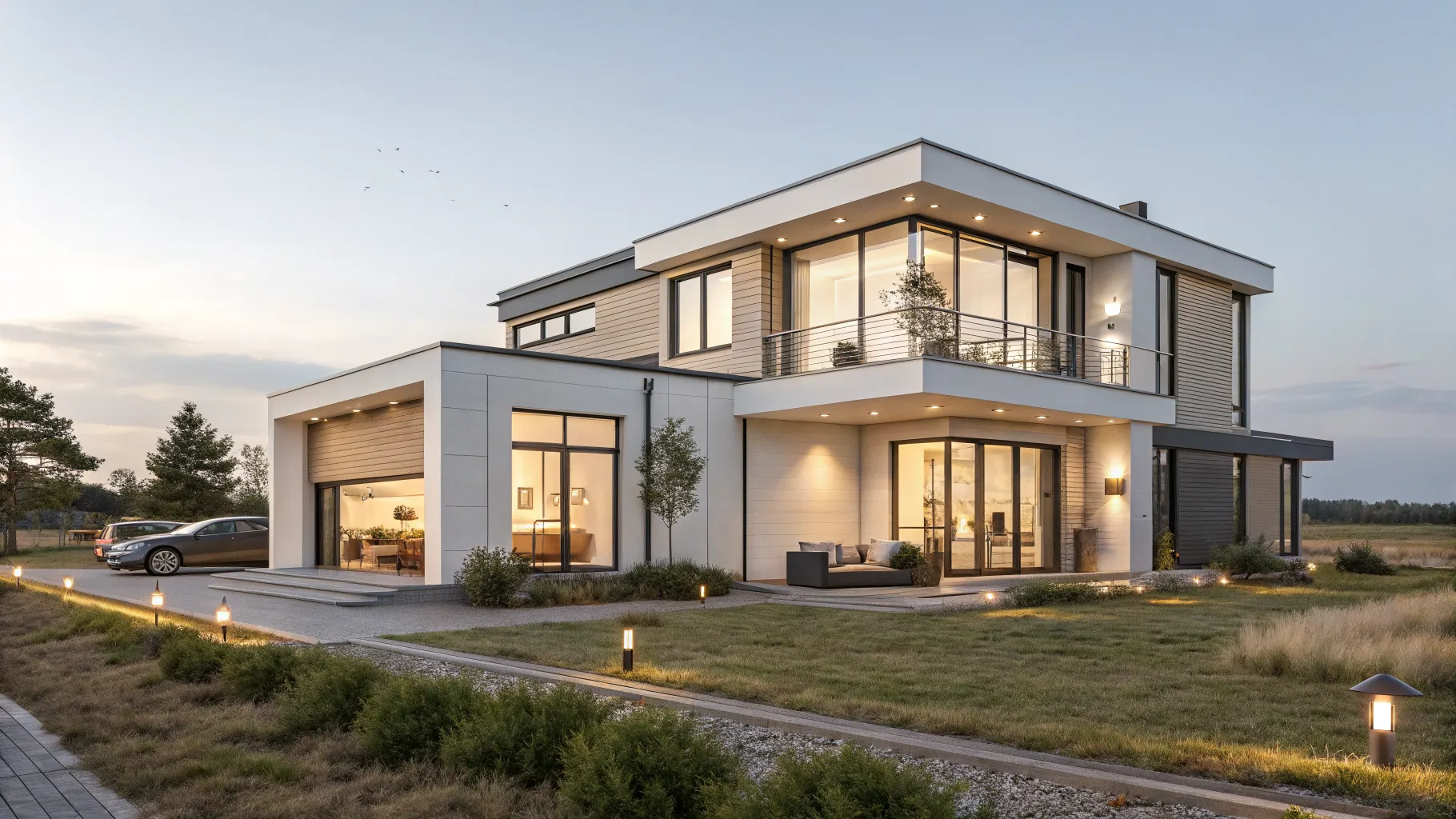
Understanding Modular Construction: Speed Meets Quality
Modular construction represents a significant leap forward in home building technology. Unlike mobile homes, which are built on a non-removable chassis, modular homes are constructed to the same (or often higher) building codes as traditional site-built homes. Each section, or "module," is fabricated in a climate-controlled factory, protecting materials from weather damage and ensuring consistent quality control at every stage. This meticulous process allows for simultaneous foundation work on-site while the modules are being built, drastically cutting down the overall construction timeline. Once completed, these modules are transported to the building site, lifted into place by cranes, and expertly assembled, becoming indistinguishable from conventionally built houses once finished. This efficient methodology ensures that your move-in ready modular villa is not just quickly built, but also adheres to stringent quality standards, providing peace of mind to homeowners.
Key Advantages of Choosing Prefabricated Villas
Opting for prefabricated villas comes with a host of advantages that appeal to a wide range of buyers. One of the most significant benefits is the reduced construction timeline. Because modules are built concurrently with site preparation, the entire process from start to finish is often 30-50% faster than traditional construction. This means you can move into your new home much sooner, saving on temporary housing costs and accelerating your living plans. Furthermore, the factory environment allows for precise material management, leading to less waste and a more environmentally friendly building process. The controlled conditions also minimize opportunities for theft or vandalism, which can plague traditional construction sites. Ultimately, these factors contribute to a more predictable building experience and a higher quality final product for your move-in ready modular villa.
The Path to Owning Custom Modular Homes in the U.S.
The journey to owning a custom modular home begins with identifying your needs and preferences. While the term "modular" might suggest limited options, modern modular homes for sale offer an incredible degree of customization. Buyers can select from a vast array of floor plans, architectural styles (from traditional to contemporary), exterior finishes, and interior features. Many manufacturers provide interactive design tools, allowing you to personalize everything from cabinet styles and flooring to fixtures and paint colors. The process typically involves choosing a reputable modular builder, selecting a model or designing a custom plan, securing financing, and then watching your home come to life. The beauty of custom modular homes lies in the ability to create a residence that perfectly fits your lifestyle and aesthetic vision, all within the efficient framework of modular construction.
Finding High-Quality Modular Homes for Sale
When searching for modular homes for sale, it's crucial to research reputable manufacturers and dealers. Look for companies with a strong track record, positive customer reviews, and extensive warranties. Many builders have model homes or virtual tours available, allowing you to experience the quality and design firsthand. Consider visiting a factory if possible to observe the construction process and quality control measures. Geographic location also plays a role, as transportation costs for modules can impact the final price. Exploring local builders and distributors specializing in move-in ready modular villas can lead to more cost-effective solutions and better support throughout the buying process. Always inquire about the standard features included and available upgrades to ensure the home meets all your expectations.
Financing Your Affordable Modular Villas: What You Need to Know
Financing affordable modular villas is very similar to financing traditional site-built homes. Lenders typically offer conventional mortgages, FHA loans, VA loans, and USDA loans for modular properties, provided they meet certain criteria. The key difference often lies in the construction loan phase. Since modular homes are built off-site, some lenders may require a construction loan that pays the manufacturer as modules are completed, and then converts to a permanent mortgage upon completion. It's essential to work with lenders who have experience in financing modular homes, as they will be familiar with the unique payment schedules and appraisal processes. Understanding the full cost, including the land, foundation, utility connections, landscaping, and transportation, is vital for securing appropriate financing and avoiding unexpected expenses. Many buyers find that the predictable pricing of modular homes for sale makes budgeting easier compared to traditional builds.
Modular Construction vs. Traditional: A Detailed Comparison
When evaluating move-in ready modular villas against traditional site-built homes, several factors stand out. Speed of construction is a major differentiator; modular homes can be completed significantly faster due to the parallel processes of off-site fabrication and on-site preparation. Quality control is often enhanced in modular construction because factory environments are not subject to weather delays or inconsistent labor, leading to tighter tolerances and more consistent build quality. Cost can also be a significant advantage. While a modular home's per-square-foot cost might sometimes be comparable, the overall project cost can be lower due to reduced labor expenses, minimized waste, and a shorter construction loan period. Furthermore, custom modular homes often feature superior energy efficiency due to precise sealing and insulation, leading to lower utility bills. However, design flexibility, while extensive, might still have some limitations compared to a fully custom, one-off site-built design. Transportation logistics and site accessibility can also be considerations that impact modular home placement.
Expert Advice for Purchasing Your Move-In Ready Modular Villa
Thoroughly Research Manufacturers and Builders:
Before committing, investigate the reputation and track record of modular home manufacturers and local builders. Look for companies with certifications, positive customer testimonials, and clear warranty programs. A reputable builder will guide you through every step, from design to site preparation and final assembly, ensuring a smooth transition into your move-in ready modular villa.
Understand the Total Cost:
Beyond the price of the modular unit itself, factor in the cost of land, foundation, utility hookups (water, sewer, electricity), site preparation (excavation, grading), landscaping, and potential permits. Get a detailed, itemized quote to avoid hidden expenses. This comprehensive understanding is crucial for budgeting affordable modular villas effectively.
Inspect Model Homes and Factories:
Whenever possible, visit model homes to get a feel for the quality, finishes, and spatial arrangements. If a factory tour is an option, it provides invaluable insight into the construction processes and quality control measures employed in building your prefabricated villas.
Secure Appropriate Financing:
Work with lenders experienced in financing modular homes. They can help you navigate construction loans and permanent mortgages specific to modular properties. Be prepared to provide detailed plans and specifications to secure the best rates for your modular homes for sale.
Consider Resale Value:
Modern modular homes appreciate in value just like traditional homes. Ensure your chosen design and location contribute to strong resale potential. Well-maintained move-in ready modular villas are increasingly recognized for their quality and durability in the real estate market.
Frequently Asked Questions
Are move-in ready modular villas as durable as traditional homes?
Yes, move-in ready modular villas are built to the same local, state, and regional building codes as traditional site-built homes, and sometimes even exceed them. They are engineered to withstand the stresses of transportation and crane placement, often making them incredibly robust and durable.
Can I customize modular homes for sale?
Absolutely. Modern modular homes for sale offer extensive customization options, from floor plans and architectural styles to interior finishes, cabinetry, and fixtures. You can often work with designers to create a truly personalized custom modular home that meets your specific needs and preferences.
What is the typical timeline for getting a prefabricated villa?
The timeline for a prefabricated villa is significantly shorter than traditional construction. While site preparation can take a few weeks to months, the factory construction of the modules can take 1-3 months. Once on-site and assembled, the finishing touches can take another few weeks. Overall, it's often 30-50% faster than conventional building.
Are affordable modular villas really cheaper than traditional homes?
Affordable modular villas can often offer cost savings due to efficient factory production, reduced labor costs, less material waste, and a shorter construction period which minimizes construction loan interest. However, it's crucial to compare the total project cost, including land, site prep, and utilities, to get a true picture.
Do banks provide mortgages for modular construction?
Yes, most major lenders and banks provide conventional mortgages and other loan types (FHA, VA, USDA) for modular construction. It's important to work with a lender who understands the modular building process, especially regarding the disbursement of funds during the construction phase.
References
- U.S. Department of Housing and Urban Development publications on manufactured and modular housing standards.
- National Association of Home Builders reports on construction trends and technologies.
- Academic studies on the efficiency and sustainability of off-site construction.
- Leading modular home manufacturers' specifications and quality assurance programs.
- Financial institution guidelines for financing modular and prefabricated homes.