A Comprehensive Guide to 14-Day Norwegian Fjords Cruises
A two-week cruise through the Norwegian fjords offers an immersive journey into one of the world's most spectacular natural landscapes. Unlike shorter trips, a 14-day voyage provides ample time to venture deeper into dramatic waterways, visit a wider array of charming coastal towns, and truly soak in the serene grandeur of the region without feeling rushed. It's an ideal duration for those who wish to combine scenic cruising with meaningful exploration on shore.
What a 14-Day Itinerary Offers
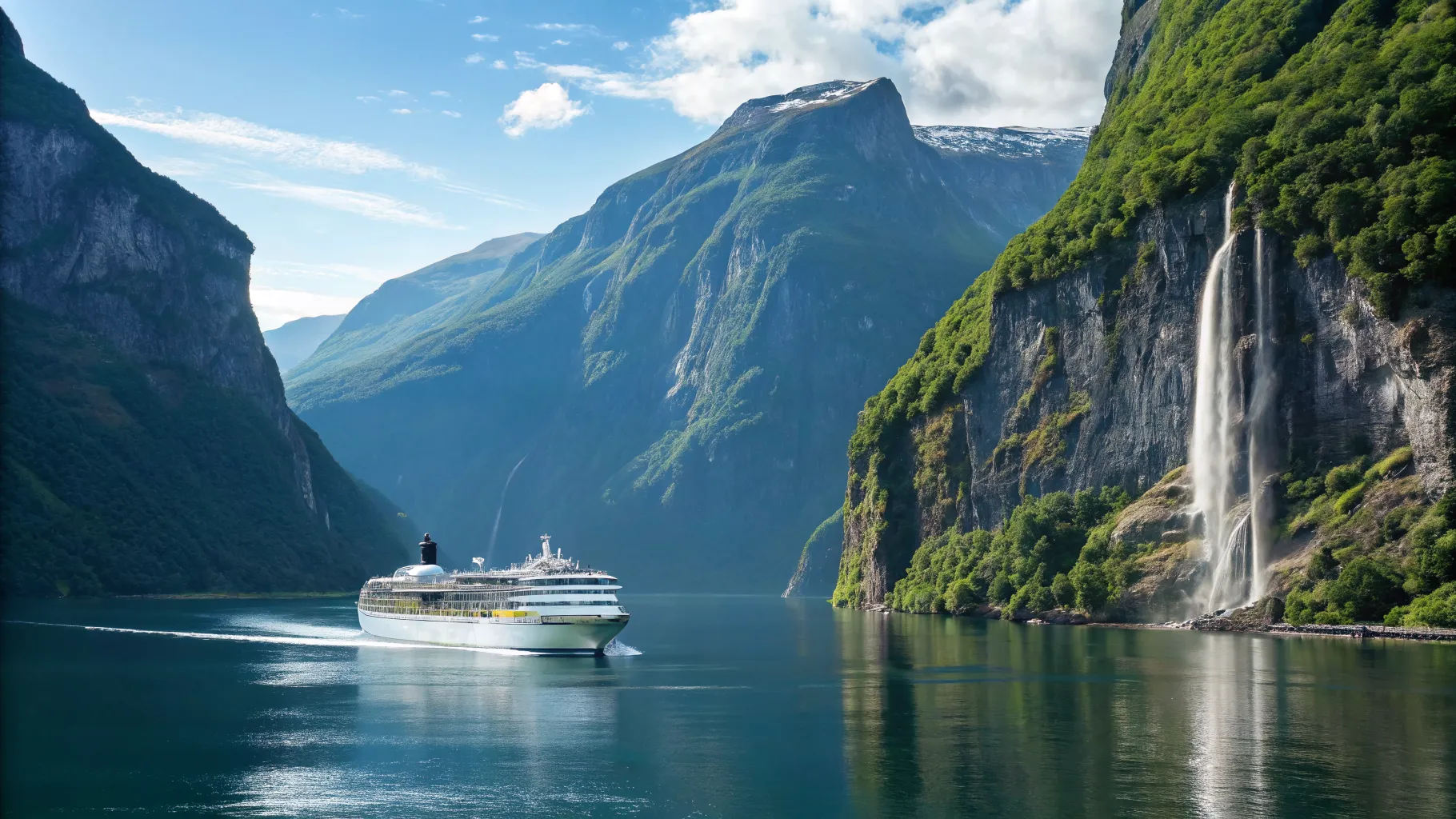
Opting for a 14-day cruise allows for a more comprehensive and relaxed travel experience. These longer itineraries often include ports of call that are inaccessible on shorter seven-day trips, sometimes extending far north into the Arctic Circle. The extended time means you can enjoy more 'sea days', which are dedicated to scenic cruising through the fjords themselves. This is when you can witness the breathtaking beauty of places like Geirangerfjord or Sognefjord from the comfort of the ship.
The pace of a two-week trip is also more leisurely. You'll have full days in major ports, providing enough time to participate in longer shore excursions, such as overland trips to glaciers or extensive hikes, while still having time to explore the port towns themselves. This duration strikes a perfect balance between sightseeing and relaxation, ensuring you return from your vacation feeling refreshed rather than exhausted from a whirlwind tour.
Common Ports of Call and Natural Wonders
A 14-day itinerary can feature a diverse mix of historic cities, quaint villages, and iconic natural landmarks. While the exact route varies between cruise lines, you can expect to visit several key destinations that showcase the best of coastal Norway. Each stop provides a unique glimpse into the country's culture, history, and stunning geography.
- Bergen: Often called the 'Gateway to the Fjords', Bergen is known for its UNESCO-listed Bryggen wharf, a colorful row of Hanseatic commercial buildings. Visitors can ride the Fløibanen funicular for panoramic city views.
- Geiranger: This small village sits at the head of the iconic Geirangerfjord. The main attractions are the fjord itself and its famous waterfalls, including the Seven Sisters and the Suitor.
- Stavanger: A vibrant city that serves as a base for trips to Preikestolen (Pulpit Rock) and the Lysefjord. The old town, Gamle Stavanger, features well-preserved wooden houses.
- Ålesund: After a fire in 1904, Ålesund was rebuilt in the Art Nouveau style, making it a unique architectural gem. A walk up to the Fjellstua viewpoint is a must-do.
- Tromsø: On longer voyages that head north, Tromsø offers a chance to experience the Arctic. Depending on the season, you might witness the Midnight Sun or the Northern Lights.
The Onboard Experience
Life aboard a cruise ship is an integral part of the journey. Modern ships are floating resorts, equipped with a wide range of amenities designed for comfort and entertainment. You can typically expect multiple dining venues, from casual buffets to more formal specialty restaurants offering gourmet cuisine. Public spaces often include theaters with nightly shows, lounges with live music, swimming pools, fitness centers, and spas.
The atmosphere on a Norwegian fjords cruise tends to be relaxed and focused on scenery. Throughout the day, especially during scenic cruising, passengers gather on open decks or in observation lounges to watch the majestic landscapes pass by. Many cruise lines also offer enrichment programs, such as lectures on Norwegian history, geology, or culture, to enhance your understanding of the region you are exploring.
Shore Excursions and Activities
In each port, you will have the option to join organized shore excursions or explore independently. Excursions are a convenient way to experience the highlights of a destination, with all transportation and logistics handled by the cruise line. Common activities include guided bus tours to scenic viewpoints, kayaking on the fjord waters, hiking to glaciers, or visiting local farms and museums.
Alternatively, exploring on your own provides greater flexibility. Most Norwegian port towns are very walkable and safe, allowing you to wander at your own pace, browse local shops, and dine at authentic restaurants. For destinations further afield, like Pulpit Rock near Stavanger, you can often find local tour operators or public transportation, which may be a more budget-friendly option than the ship's excursions.
Packing Essentials for a Fjord Cruise
The weather in Norway can be unpredictable, even in the summer. The key to comfortable packing is to bring layers. This allows you to adapt to changing conditions, from a warm, sunny afternoon in a port town to a cool, windy evening on the ship's deck. A waterproof and windproof outer layer is absolutely essential.
- Layered Clothing: Pack a mix of short-sleeve and long-sleeve shirts, sweaters or fleece jackets, and a warm outer jacket.
- Waterproof Gear: A reliable rain jacket and waterproof pants are highly recommended. A small, portable umbrella is also useful.
- Comfortable Footwear: Bring sturdy, waterproof walking shoes or hiking boots for excursions, along with comfortable shoes for wearing around the ship.
- Smart Casual Attire: Most ships have 'smart casual' dress codes for dinner in the main dining rooms. Some may have formal nights, so check with your cruise line.
- Accessories: Don't forget sunglasses, a sun hat, binoculars for spotting wildlife and distant waterfalls, and a camera with extra batteries.
Choosing the Right Time to Go
The main season for Norwegian fjords cruises runs from May to September. The most popular months are June, July, and August, during the peak of summer. This period offers the warmest weather and the longest daylight hours, including the famous Midnight Sun in the far north. This is the best time for hiking and other outdoor activities, but it is also the most crowded and expensive season.
For those looking to avoid the biggest crowds, the shoulder months of May and September are excellent alternatives. In May, you can see lush green landscapes and snow-capped peaks, along with blooming wildflowers. In September, you'll experience beautiful autumn colors and a more tranquil atmosphere. Late September itineraries that travel far north may even offer an early chance to see the Northern Lights.
Understanding Cruise Costs
When booking a cruise, it's important to understand what is included in the initial fare and what will be an additional expense. Typically, the cruise price covers your cabin accommodation, all meals in the main dining room and buffet restaurants, select beverages like water and coffee, onboard entertainment, and use of the ship's main facilities like pools and gyms.
However, there are several common extra costs to budget for. These almost always include flights to and from the departure port, shore excursions, alcoholic beverages and specialty coffees, meals in specialty restaurants, gratuities for the crew, and personal expenses like spa treatments or souvenirs. Reviewing what your specific cruise line includes is crucial for accurately planning your overall vacation budget.