Inspiring Large Planter Ideas for Front of House to Boost Curb Appeal
Facts:
- Strategic placement of planters can guide the eye to your front door.
- Using varied textures and heights is a key trend for front entrance planters.
Elevate Your Entry: Mastering Large Planter Design
The front of your house is the first thing guests see, and making a powerful first impression is key to exceptional curb appeal. One of the most effective ways to achieve a polished and welcoming look is through well-designed large planter ideas for front of house. These statement pieces are more than just pots for plants; they are architectural elements that can define your home's style, add color and life, and create a warm welcome. By focusing on smart container gardening for curb appeal, you can transform a plain entryway into a stunning focal point that reflects your personal taste and enhances your home's overall beauty.
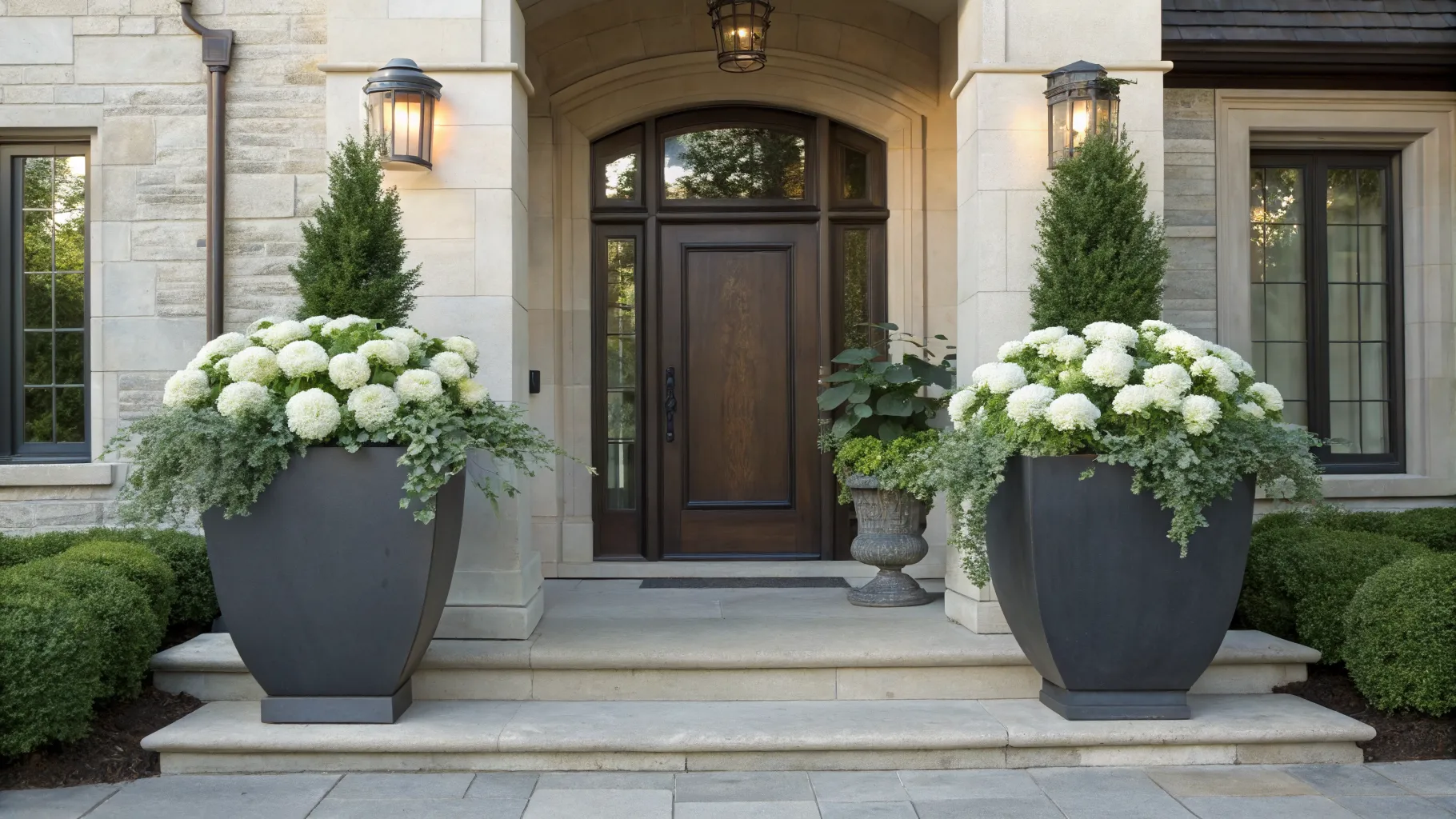
Choosing the Perfect Material for Large Outdoor Planters
The material of your planter is just as important as the plants within it. It sets the tone for your home's exterior style. For a modern, minimalist aesthetic, consider sleek fiberglass or cast concrete planters. These materials offer clean lines and a substantial presence. If you prefer a more traditional or rustic look, classic terracotta or wooden barrel planters are excellent choices, bringing warmth and timeless charm. Metal planters, whether corten steel for an industrial vibe or powder-coated aluminum for a contemporary pop of color, offer durability and a unique finish. When selecting large outdoor planters, always consider your climate. Porous materials like terracotta may crack in freezing temperatures, while dark-colored metal can get very hot in direct sun, so choose a material that is both beautiful and practical for your environment.
Planting Strategies: The Thriller, Filler, and Spiller Method
A professionally designed container garden often follows a simple but effective formula: thriller, filler, and spiller. This technique ensures your front entrance planters have height, volume, and a graceful cascade of foliage. The 'thriller' is a tall, striking plant that serves as the centerpiece, such as a boxwood topiary, ornamental grass, or a canna lily. The 'filler' consists of medium-height, mounding plants that surround the thriller, adding mass and color; think petunias, coleus, or geraniums. Finally, the 'spiller' is a trailing plant that cascades over the edge of the pot, softening the lines and connecting the planter to the ground. Ivy, sweet potato vine, or creeping Jenny are classic spiller choices. Mastering this trio is fundamental to achieving stunning front yard planter ideas.
Inspiring Large Planter Ideas to Get You Started
Ready for some inspiration? Here are some proven large planter ideas for front of house that you can adapt to your own style. Each idea focuses on creating a specific mood and aesthetic, transforming your entryway into a memorable statement.
Symmetrical Grandeur Flanking the Door
For a formal, classic look, nothing beats symmetry. Place two identical, oversized urns or square planters on either side of your front door. Plant them with identical arrangements, such as sculpted boxwoods or elegant spiral topiaries, underplanted with seasonal flowers. This creates a balanced, sophisticated, and grand entrance that feels intentional and upscale. This is one of the most popular front entrance planters configurations for a reason.
Modern and Minimalist Grouping
If your home has modern architecture, embrace a minimalist approach. Group together three planters of varying heights but the same material and color, such as charcoal gray fiberglass. Plant them sparsely with architectural plants like horsetail reed, snake plants, or a single, dramatic agave. This creates an artistic, sculptural display that complements clean lines and contemporary design. This approach to container gardening for curb appeal focuses on form and texture over abundant color.
Lush and Layered English Garden Style
Create a romantic, cottage-garden feel with planters overflowing with a mix of flowers and foliage. Use large, classic planters and pack them with a variety of textures and colors. Combine roses, lavender, foxglove, and trailing ivy for a lush, abundant look. This style is about creating a sense of natural, untamed beauty, making it one of the most charming front yard planter ideas.
Maximizing Impact: Scale and Placement
When it comes to large outdoor planters, scale is everything. A common mistake is choosing planters that are too small for the space, which can look insignificant. As a rule of thumb, your planters should be at least one-quarter to one-third the height of your front door to feel properly scaled. Consider the width of your entryway or porch as well. For a wide porch, a larger group of planters can fill the space nicely, while a narrow entry might only need two tall, slender planters. Experiment with placement—while flanking the door is classic, you could also line a walkway or create a focal point at the corner of your house to enhance your container gardening for curb appeal.
Practical Guide to Thriving Front Entrance Planters
Beautiful planters require a bit of care to keep them looking their best throughout the season. Follow these tips to ensure your investment thrives:
- Ensure Proper Drainage: This is the most critical factor. Make sure your large outdoor planters have drainage holes at the bottom. Without them, water will pool and cause root rot, killing your plants. You can add a layer of gravel at the bottom before the soil, but a good hole is non-negotiable.
- Use High-Quality Potting Mix: Don't use garden soil, which is too heavy and compacts easily in containers. Purchase a quality potting mix specifically designed for containers, as it provides the right balance of aeration, drainage, and nutrients.
- Water Consistently: Planters, especially those in full sun, dry out much faster than garden beds. Check the soil moisture daily by sticking your finger an inch or two deep. Water thoroughly whenever the top layer feels dry.
- Fertilize Regularly: The constant watering required for container gardens leaches nutrients from the soil. Replenish them by using a balanced, water-soluble fertilizer every 2-4 weeks during the growing season to keep your plants vibrant and blooming.
Frequently Asked Questions
What are the best low-maintenance plants for large outdoor planters?
For a low-maintenance approach, focus on drought-tolerant and hardy plants. Evergreens like boxwood, yew, or dwarf Alberta spruce provide year-round structure. For color, consider succulents like sedum and hens-and-chicks, ornamental grasses, or tough perennials like lavender and cone-flower. These plants require less frequent watering and care once established.
How do I choose the right size for my front entrance planters?
Consider the scale of your entrance. A good rule is that the height of the planter (without the plant) should be about 1/3 the height of your front door. For a standard 8-foot door, a planter around 30-32 inches tall is ideal. Ensure the width is substantial enough not to look spindly. When in doubt, it's almost always better to go slightly larger than smaller.
Can I use the same large planter ideas for front of house in both sun and shade?
While the design concepts are transferable, your plant selection must be tailored to your light conditions. For sunny spots, use sun-loving plants like petunias, geraniums, and ornamental grasses. For shady entrances, opt for plants like impatiens, begonias, hostas, and ferns. The 'thriller, filler, spiller' concept works perfectly in both sun and shade; you just need to choose the right plants for the location.
References
- The Royal Horticultural Society Container Gardening Guide
- Architectural Digest: Principles of Exterior Design
- University Extension Office: Best Practices for Container Planting
- Landscape Design and Installation Manuals