Early Signs of Heart Valve Problems You Shouldn't Ignore
Your heart has four valves that act like one-way doors, ensuring blood flows in the correct direction through its chambers. When one or more of these valves don't open or close properly, it can disrupt blood flow and impact your overall health. Recognizing the early signs of a potential problem is key, as many symptoms can be subtle or attributed to other causes.
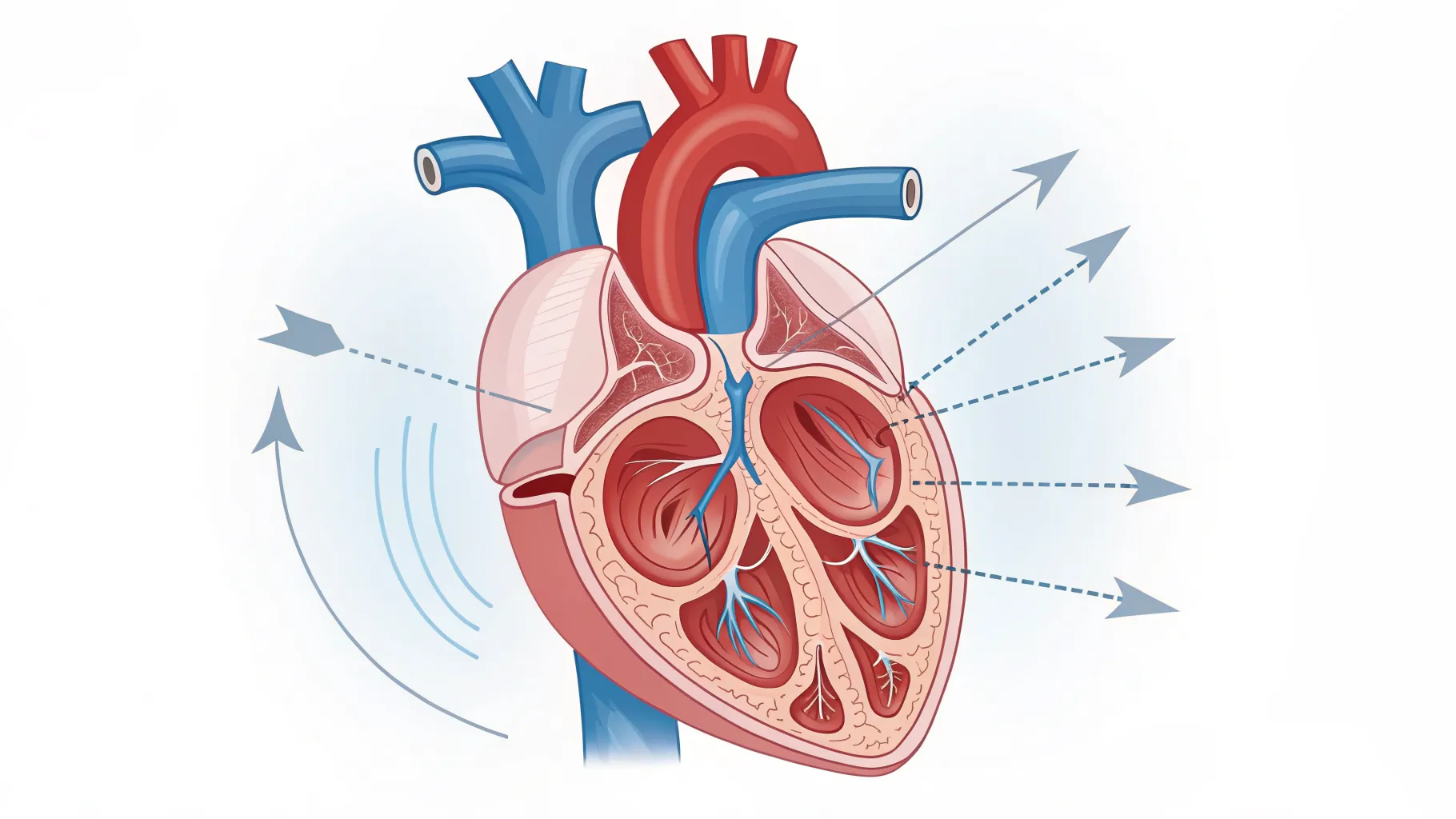
Understanding the Role of Heart Valves
The four valves of the heart are the mitral, tricuspid, aortic, and pulmonary valves. Each valve consists of thin but strong flaps of tissue called leaflets or cusps. These leaflets open to let blood pass through and then seal tightly to prevent it from flowing backward. This coordinated action, happening with every heartbeat, is essential for efficient circulation throughout your body.
When a valve becomes damaged or diseased, it can lead to two primary types of problems. Stenosis occurs when the leaflets become stiff or fused, narrowing the valve opening and restricting blood flow. Regurgitation, also known as insufficiency or a leaky valve, happens when the leaflets do not close completely, allowing blood to leak backward. Both conditions force the heart to work harder to pump the same amount of blood.
Shortness of Breath (Dyspnea)
One of the most common early symptoms of a heart valve issue is shortness of breath, medically known as dyspnea. You might first notice it during physical activity, such as climbing stairs or walking briskly, feeling more winded than usual. As the condition progresses, you may experience breathlessness even during periods of rest or when lying flat in bed, which might cause you to prop yourself up with pillows to breathe more comfortably.
This symptom occurs because the malfunctioning valve causes a backup of blood and pressure in the vessels of the lungs. The fluid can leak into the lung tissue, making it difficult for oxygen to transfer into the bloodstream. It's a sign that your heart is struggling to manage its workload effectively due to the valve problem.
Unexplained Fatigue or Weakness
Feeling unusually tired or weak, even after a full night's rest, can be an indicator of a heart valve problem. This isn't the normal tiredness you feel after a long day; it's a persistent, often overwhelming, sense of fatigue that can interfere with your daily activities. You might find that you no longer have the energy for routines you once handled with ease.
This fatigue is a direct result of reduced blood flow from the heart to the rest of the body. When a valve is not working correctly, the heart cannot pump oxygen-rich blood as efficiently. As a result, your muscles and organs do not receive the oxygen they need to function optimally, leading to a pervasive feeling of weakness and exhaustion.
Chest Discomfort or Heart Palpitations
While not always a sharp pain like a heart attack, chest discomfort is a potential sign of a valve issue. This can manifest as a feeling of pressure, tightness, or aching in the chest, particularly during physical exertion or when you are in cold air. The discomfort happens because the heart muscle has to work much harder to pump blood through a narrowed or leaky valve.
Heart palpitations, which feel like a rapid, fluttering, or pounding heartbeat, can also be a symptom. You might feel as though your heart is skipping a beat or racing. These sensations can be caused by the heart's chambers stretching or enlarging to compensate for the faulty valve, which can disrupt the heart's normal electrical rhythm.
Dizziness, Lightheadedness, or Fainting
Feeling dizzy, lightheaded, or even fainting (syncope) can be a very concerning symptom related to heart valve disease. These episodes often occur because a malfunctioning valve is preventing your brain from receiving a steady supply of oxygen-rich blood. This is particularly common with aortic stenosis, where the narrowing of the aortic valve restricts blood flow out of the heart to the rest of the body.
You might experience these sensations when you stand up too quickly, during physical activity, or sometimes with no obvious trigger at all. While dizziness can have many causes, when combined with other potential heart-related symptoms, it warrants a discussion with a healthcare provider to determine the underlying issue.
Swelling in the Ankles, Feet, or Abdomen
Swelling, or edema, in the lower extremities or abdomen can signal a more advanced heart valve problem. When the heart's pumping action is compromised, it can affect your body's ability to manage fluids. This can cause fluid to build up in your body's tissues, often starting in the ankles and feet due to gravity.
This fluid retention happens because the reduced blood flow from the heart can cause a backup in the veins. The pressure inside the veins increases, pushing fluid into the surrounding tissues. In some cases, you might also notice sudden weight gain or bloating in the abdominal area, which is another sign of significant fluid buildup.
When to Seek Medical Advice
The symptoms of heart valve problems can develop gradually over many years and may be mistaken for normal signs of aging. However, it is important not to ignore them. If you experience any of the signs mentioned, especially if they are new, worsening, or occur in combination, scheduling an appointment with a healthcare professional is a crucial step.
A doctor can listen to your heart with a stethoscope to detect a heart murmur, which is an unusual sound caused by turbulent blood flow and is often the first sign of a valve issue. Further diagnostic tests, such as an echocardiogram (an ultrasound of the heart), can provide a detailed view of your heart valves and confirm a diagnosis. Early detection allows for monitoring and timely management to protect your heart health.