Understanding the Causes of Nerve Pain in the Hands and Feet
Experiencing nerve pain in the hands and feet can be both alarming and disruptive to daily life. This specific type of discomfort, often described as a burning or tingling sensation, usually points to an underlying issue with the peripheral nervous system. By understanding the root causes of nerve pain, individuals can better navigate their health journey and have more informed discussions with medical professionals.
The Basics of Peripheral Neuropathy
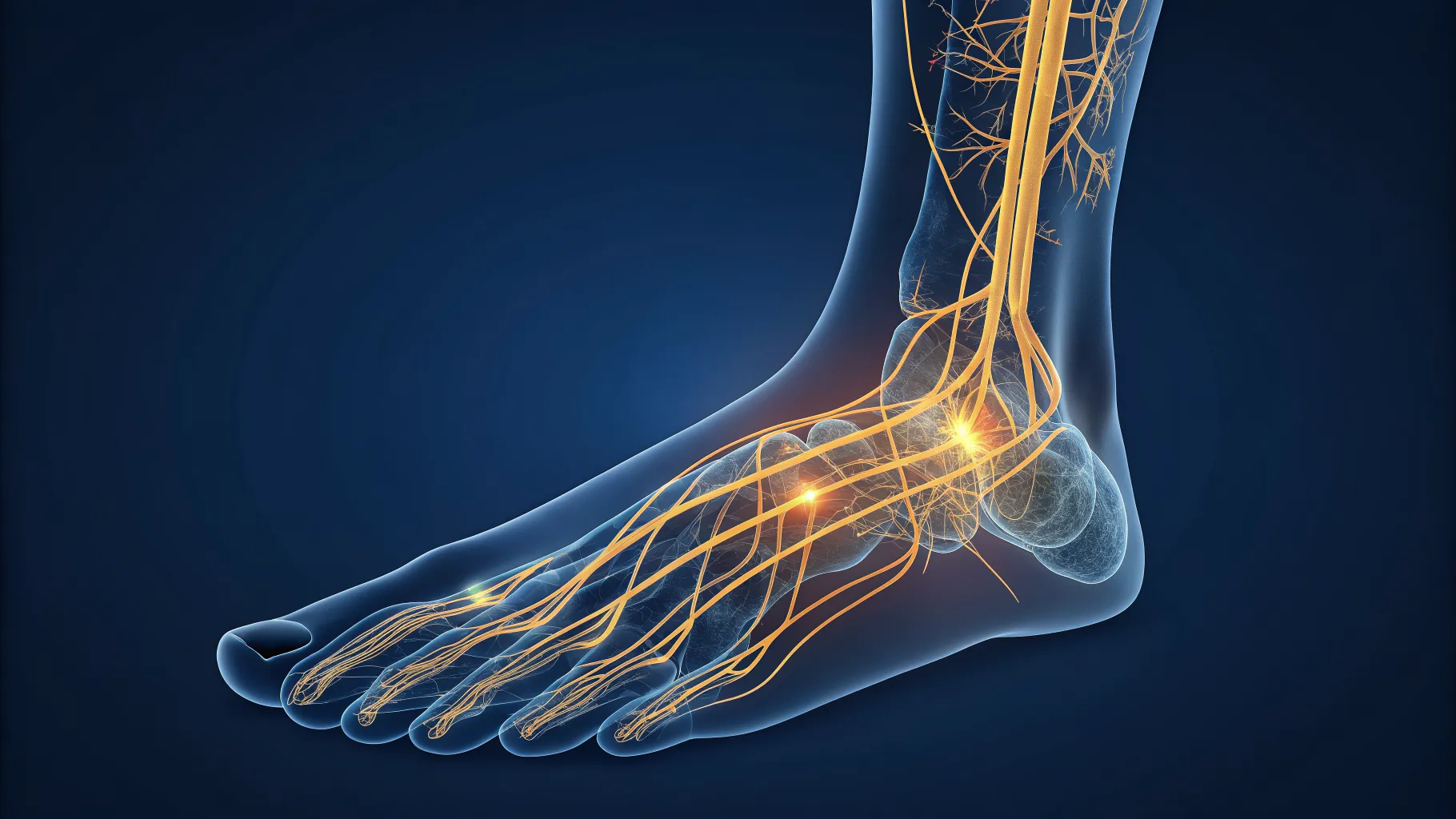
The peripheral nervous system acts as a massive communications network that transmits information between the central nervous system and the rest of the body. When these intricate pathways are damaged, the condition is medically referred to as peripheral neuropathy. This damage disrupts the normal flow of signals, leading to the unusual and often painful sensations felt in the extremities.
Nerve fibers can be damaged in several ways. The protective coating around the nerve, known as the myelin sheath, might degrade, or the nerve fiber itself could be injured. When this happens, the nerves might send pain signals even when there is no actual physical harm occurring to the tissue, resulting in persistent hand and foot nerve pain.
Diabetes as a Primary Trigger
One of the most widespread causes of nerve pain is diabetes. Over time, poorly controlled high blood sugar levels can inflict significant damage on the nerves and the small blood vessels that supply them with essential nutrients and oxygen. This complication is known as diabetic neuropathy and most frequently begins by affecting the nerves in the feet and legs before progressing to the hands.
The exact mechanism involves a combination of metabolic factors and vascular changes. Elevated blood glucose interferes with the ability of the nerves to transmit signals. Additionally, the weakened capillary walls reduce blood flow, essentially starving the nerves. Recognizing this link is critical for those managing diabetes, as monitoring blood sugar is a key component in maintaining nerve health.
Physical Trauma and Repetitive Stress
Direct physical injury is another major culprit behind nerve damage. Accidents, falls, or sports injuries can cause nerves to be severed, crushed, or stretched beyond their capacity. Even minor traumas, if they impact a highly sensitive area, can lead to long-lasting nerve pain in the hands or feet.
Repetitive stress injuries are equally significant. Conditions like carpal tunnel syndrome in the hands or tarsal tunnel syndrome in the feet occur when nerves are compressed due to repetitive motions or anatomical abnormalities. Typing, assembly line work, or prolonged use of vibrating tools can cause surrounding tissues to swell, putting continuous pressure on the nerves and triggering intense discomfort.
Autoimmune Diseases and Infections
In a healthy body, the immune system defends against foreign invaders. However, autoimmune diseases cause the body to mistakenly attack its own tissues, including nerve fibers. Conditions such as lupus, rheumatoid arthritis, and Guillain-Barre syndrome are known to cause inflammation that directly damages the peripheral nerves, leading to widespread neuropathy symptoms.
Certain infections can also severely impact nerve health. Viral and bacterial infections like Lyme disease, shingles, Epstein-Barr virus, and HIV have been directly linked to nerve damage. These pathogens can attack the nerves directly or trigger an aggressive immune response that inadvertently causes structural harm to the nerve pathways in the extremities.
Vitamin Deficiencies and Nutritional Factors
Proper nutrition is fundamental for maintaining a healthy nervous system. Vitamins B1, B6, B12, vitamin E, and niacin are particularly crucial for nerve function. A deficiency in vitamin B12 is notably notorious for causing peripheral neuropathy, as this vitamin is essential for the maintenance of the myelin sheath that protects nerve fibers.
- Vitamin B12 deficiency can result from poor diet or malabsorption issues.
- Chronic alcohol use often leads to severe nutritional deficiencies that impact nerves.
- Alcohol itself has a toxic effect on nerve tissue, compounding the problem.
- Correcting dietary imbalances is often a primary step in addressing this type of nerve pain.
Exposure to Toxins and Medications
Environmental and industrial toxins pose a significant risk to nerve health. Prolonged exposure to heavy metals like lead, mercury, and arsenic can cause severe toxic neuropathy. People who work in industrial settings or live in environments with high levels of these substances must be vigilant about the potential neurological impacts.
Furthermore, certain medications prescribed for other conditions can induce nerve pain as a side effect. Chemotherapy drugs used in cancer treatment are highly toxic to rapidly dividing cells but can also damage peripheral nerves. Similarly, some blood pressure medications and antibiotics carry a risk of drug-induced neuropathy, requiring careful monitoring by a healthcare provider.
Recognizing Common Neuropathy Symptoms
While the underlying causes of nerve pain vary widely, the resulting symptoms often share common characteristics. Individuals typically first notice subtle changes in their hands and feet, which can gradually progress in intensity if the root cause remains unaddressed. Being aware of these early warning signs is vital for seeking timely medical evaluation.
- A gradual onset of numbness or prickling in the feet or hands.
- Sharp, jabbing, throbbing, or burning pain in the extremities.
- Extreme sensitivity to touch, where even the weight of a blanket causes pain.
- Muscle weakness or a feeling of instability when walking or gripping objects.