Best Medical Grade Chemical Peels for Sun Damage: Ultimate Skin Rejuvenation
Fast Facts:
- Over 90% of visible aging is caused by sun exposure.
- Demand for sun damage treatment solutions continues to rise globally.
Unlocking Radiant Skin: The Power of Medical Grade Chemical Peels for Sun Damage
For individuals seeking to reverse the visible signs of photoaging, medical grade chemical peels offer a powerful and effective solution. These specialized dermatological treatments are expertly formulated to address common concerns like dark spots, fine lines, uneven texture, and general dullness resulting from prolonged sun exposure. By carefully exfoliating the damaged outer layers of the skin, these peels stimulate cellular turnover and promote a healthier, more vibrant complexion, making them a cornerstone of modern sun damage treatment strategies.
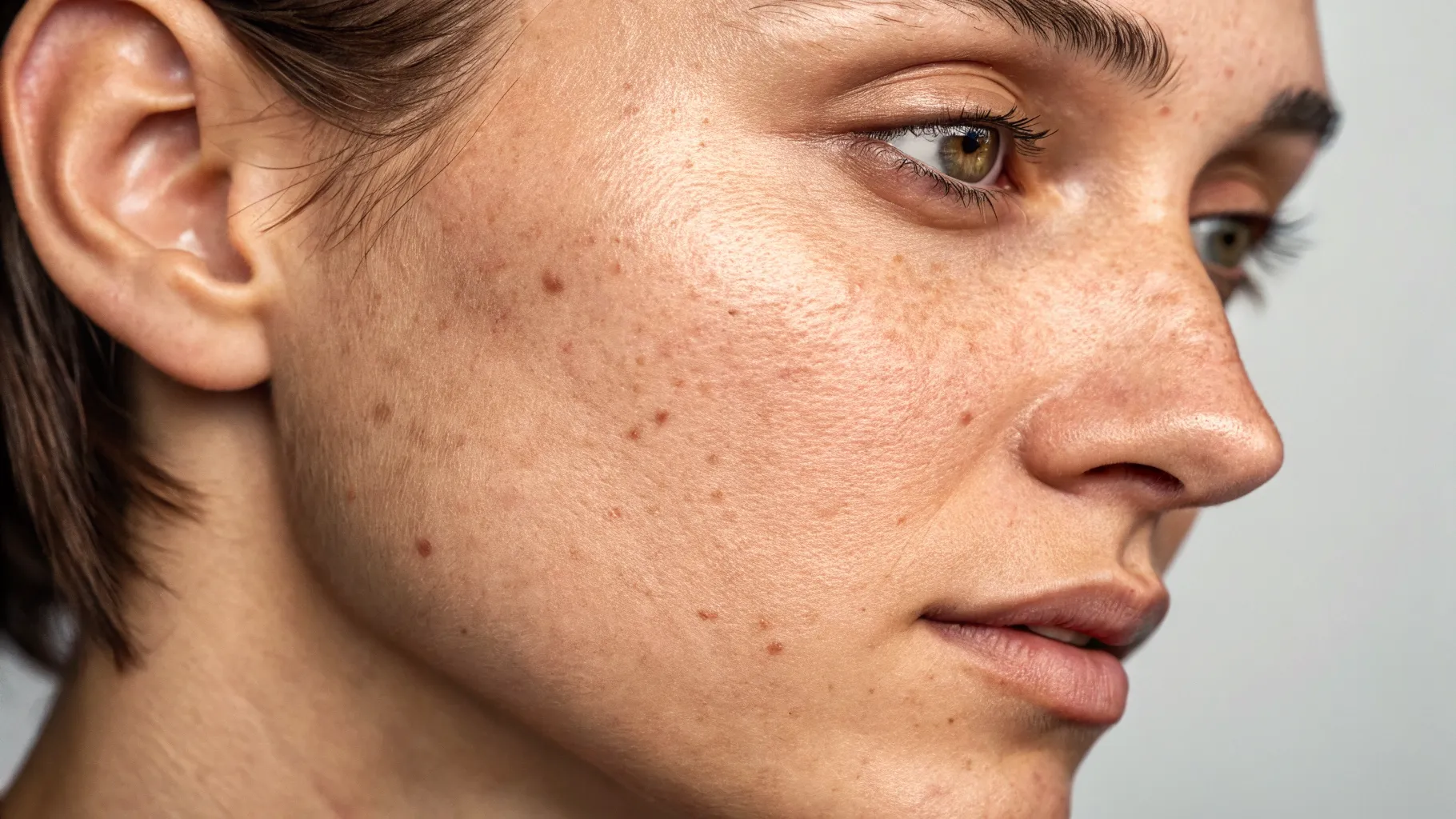
Understanding How Medical Grade Peels Combat Sun Damage
Understanding the mechanism behind medical grade chemical peels is crucial to appreciating their efficacy in combating sun damage. These professional-strength solutions contain various acids, such as trichloroacetic acid (TCA), glycolic acid, salicylic acid, or Jessner's solution, applied by a trained professional. The chosen acid works by loosening the bonds between dead skin cells, allowing them to slough off and reveal fresh, undamaged skin underneath. This process not only addresses superficial blemishes like age spots and uneven skin tone but also stimulates the skin's natural healing response. The controlled injury encourages the proliferation of new, healthy skin cells and significantly boosts collagen production, leading to firmer, smoother skin over time. The result is a comprehensive skin rejuvenation that effectively diminishes the appearance of existing sun damage while improving overall skin health and resilience.
Top Medical Grade Chemical Peels for Effective Sun Damage Treatment
When considering medical grade chemical peels for robust sun damage treatment, several types stand out for their specific benefits and efficacy. Each peel is formulated with different active ingredients and strengths, making them suitable for varying degrees of sun-induced skin concerns. A thorough consultation with a dermatologist is essential to determine the most appropriate peel for individual skin type and the specific concerns of hyperpigmentation and textural irregularities.
TCA Peels for Sun Damage
Trichloroacetic acid (TCA) peels are among the most recognized and effective medical grade chemical peels for moderate to severe sun damage treatment. Available in various concentrations, TCA peels penetrate deeper than alpha hydroxy acid (AHA) peels, making them highly effective for targeting significant dark spots, fine lines, and even some types of precancerous lesions. The controlled chemical exfoliation caused by TCA leads to significant epidermal and superficial dermal remodeling. Patients often experience noticeable peeling, which signals the skin's renewal process, ultimately resulting in dramatic improvements in skin texture, tone, and the reduction of severe hyperpigmentation and sun-induced wrinkles.
Glycolic Acid Peels for Photoaging
Glycolic acid, an alpha hydroxy acid (AHA), is a popular choice for superficial to medium-depth medical grade chemical peels, particularly effective for milder forms of sun damage treatment and overall skin rejuvenation. It works by dissolving the bonds between dead skin cells, promoting a gentle but effective exfoliation. Glycolic acid peels help to improve skin brightness, reduce fine lines, and address superficial hyperpigmentation such as sun spots. They are also known to stimulate collagen production, contributing to improved skin elasticity and a more youthful appearance without extensive downtime. Multiple sessions are often recommended for optimal and lasting results.
Salicylic Acid Peels for Texture and Tone
Salicylic acid peels, a type of beta hydroxy acid (BHA) peel, are highly beneficial for individuals with oily or acne-prone skin, but they are also very effective in treating certain aspects of sun damage. Salicylic acid is oil-soluble, allowing it to penetrate deeply into pores, making it excellent for addressing textural irregularities and improving overall skin clarity. For sun damage treatment, these peels are particularly adept at reducing superficial pigmentation and evening out skin tone, giving the complexion a smoother and more refined appearance. While generally milder than TCA, salicylic acid peels contribute significantly to overall skin rejuvenation by promoting healthier cell turnover and reducing inflammation.
Jessner's Peels for Advanced Hyperpigmentation
Jessner's solution is a synergistic blend of salicylic acid, lactic acid, and resorcinol, making it a highly effective option for medium-depth medical grade chemical peels. This combination targets multiple layers of the skin, providing a powerful approach to severe hyperpigmentation and extensive sun damage treatment. Jessner's peels are particularly renowned for their ability to significantly lighten melasma, stubborn sun spots, and post-inflammatory hyperpigmentation. The layered application often allows for customizable depth, ensuring that the treatment can be tailored to the individual's specific needs for comprehensive skin rejuvenation and a dramatic improvement in complexion uniformity.
Retinoic Acid Peels for Comprehensive Skin Renewal
Retinoic acid peels, often referred to as vitamin A peels, are powerful medical grade chemical peels known for their profound ability to accelerate cell turnover and stimulate intensive collagen production. These peels are particularly beneficial for comprehensive sun damage treatment, addressing not only superficial signs like fine lines and texture but also deeper concerns such as photodamage-induced wrinkles and significant hyperpigmentation. Retinoic acid works at a cellular level, promoting healthier skin cell regeneration and enhancing the skin's structural integrity. While often associated with more significant peeling and downtime, the long-term benefits include superior skin rejuvenation, improved elasticity, and a remarkably smoother, more even-toned complexion.
Choosing the Right Medical Grade Chemical Peel for Your Skin Type
Selecting the optimal medical grade chemical peel for your specific skin type and the extent of your sun damage is paramount for achieving safe and effective results. Different peels have varying depths of penetration and active ingredients, making some more suitable for certain conditions than others. For instance, individuals with sensitive skin or mild hyperpigmentation might benefit from gentler glycolic or salicylic acid peels, which offer superficial exfoliation and minimal downtime. In contrast, those with significant sun spots, deeper lines, or textural issues might require stronger TCA or Jessner's peels for more intensive sun damage treatment and profound skin rejuvenation. A professional consultation is critical to assess your skin's health, understand your goals, and identify any contraindications, ensuring a personalized treatment plan that maximizes benefits while minimizing risks and achieving optimal collagen production stimulation.
Post-Peel Care: Maximizing Results and Minimizing Risks
Proper post-peel care is just as crucial as the peel itself for ensuring excellent outcomes from your medical grade chemical peels and minimizing potential complications. Adhering to these guidelines will help facilitate healing, protect your newly revealed skin, and prolong the benefits of your sun damage treatment.
- Strict Sun Protection: Immediately after a peel, your skin is highly vulnerable to UV radiation. Apply a broad-spectrum sunscreen with an SPF of 30 or higher daily, and reapply every two hours. Wear wide-brimmed hats and seek shade whenever possible to prevent new sun damage and safeguard your delicate, regenerating skin.
- Gentle Cleansing and Moisturizing: Use a mild, non-foaming cleanser and a rich, hydrating moisturizer recommended by your dermatologist. Avoid harsh exfoliants, retinoids, or active ingredients like vitamin C for at least one to two weeks post-peel, allowing your skin to heal naturally and promoting effective skin rejuvenation.
- Avoid Picking or Peeling: It is imperative to resist the urge to pick, scratch, or manually peel any flaking skin. Allow the dead skin cells to shed naturally. Forcing the peel can lead to scarring, infection, and increased risk of hyperpigmentation.
- Stay Hydrated: Drinking plenty of water helps to keep your skin hydrated from within, supporting the healing process and maintaining overall skin health. This internal hydration complements the external moisturizing efforts, enhancing the elasticity and vibrancy of your newly treated skin.
- Follow Dermatologist's Instructions: Your dermatologist will provide specific post-care instructions tailored to the type and depth of your medical grade chemical peel. Follow these instructions meticulously, including any recommended topical ointments or oral medications, to ensure optimal recovery and maximize the benefits for collagen production and skin renewal.
Frequently Asked Questions
Are medical grade chemical peels painful?
The sensation during a medical grade chemical peel can vary depending on the type and depth of the peel. Most patients describe a tingling, stinging, or warm sensation that subsides within a few minutes. Deeper peels may cause more intense sensations. Topical anesthetics can sometimes be applied before treatment to enhance comfort, and your provider will discuss pain management options during your consultation for effective sun damage treatment.
How many sessions of medical grade chemical peels are needed for sun damage treatment?
The number of medical grade chemical peel sessions required for effective sun damage treatment depends on the severity of the damage, the type of peel, and individual skin response. Often, a series of 3-6 superficial or medium-depth peels spaced several weeks apart is recommended to achieve optimal skin rejuvenation and significant reduction in hyperpigmentation. Your dermatologist will create a personalized treatment plan during your initial consultation.
What is the downtime after a medical grade chemical peel?
Downtime varies significantly with the depth of the medical grade chemical peel. Superficial peels may result in minimal redness and light flaking for 2-3 days, allowing a quick return to normal activities. Medium-depth peels, such as TCA or Jessner's, can involve more noticeable redness, swelling, and peeling that may last 5-7 days or longer. During this period, it's crucial to follow specific post-care instructions to protect the healing skin and enhance the results of your sun damage treatment.
Can medical grade chemical peels be used on all skin types?
While many medical grade chemical peels are suitable for a wide range of skin types, certain peels or strengths may be contraindicated for individuals with darker skin tones due to an increased risk of post-inflammatory hyperpigmentation. It is essential to consult with an experienced dermatologist who can assess your skin type, concerns, and history to recommend the safest and most effective peel for your sun damage treatment and overall skin rejuvenation goals.
References
- American Academy of Dermatology Association. Chemical Peels.
- Journal of Clinical and Aesthetic Dermatology. The Role of Chemical Peels in Facial Rejuvenation.
- Dermatologic Surgery. Trichloroacetic Acid Chemical Peels.
- Skin Therapy Letter. Glycolic Acid in Dermatology.
- Plastic and Reconstructive Surgery. Jessner's Solution.