Unlocking Creativity: A Guide to Art and Craft Workshops for Seniors
Facts:
- Engaging in creative arts can reduce the risk of cognitive decline.
- A growing trend for seniors is the integration of dedicated art studios in communities.
Why Creative Expression is Essential for Senior Well-being
As we age, maintaining mental acuity, social connections, and a sense of purpose becomes increasingly vital. One of the most enjoyable and effective ways to achieve this is through engagement in the arts. The rise of specialized art and craft workshops for seniors provides a perfect avenue for exploring creativity while reaping significant health benefits. These sessions are more than just a pastime; they are vibrant hubs of activity that stimulate the mind, encourage social interaction, and foster a profound sense of accomplishment. Participating in creative workshops for older adults can re-ignite old passions or introduce entirely new skills, proving that creativity has no age limit and is a cornerstone of a fulfilling later life.
The Diverse World of Craft Workshops for Seniors
The variety of craft workshops for seniors available today is truly astounding, catering to every interest and ability level. Whether you prefer quiet, focused work or collaborative, energetic projects, there is a workshop for you. These programs are specifically designed to be accessible and enjoyable for older adults, often with modified tools and patient instruction. Exploring these different avenues allows individuals to find a creative outlet that truly resonates with them.
Pottery and Ceramics
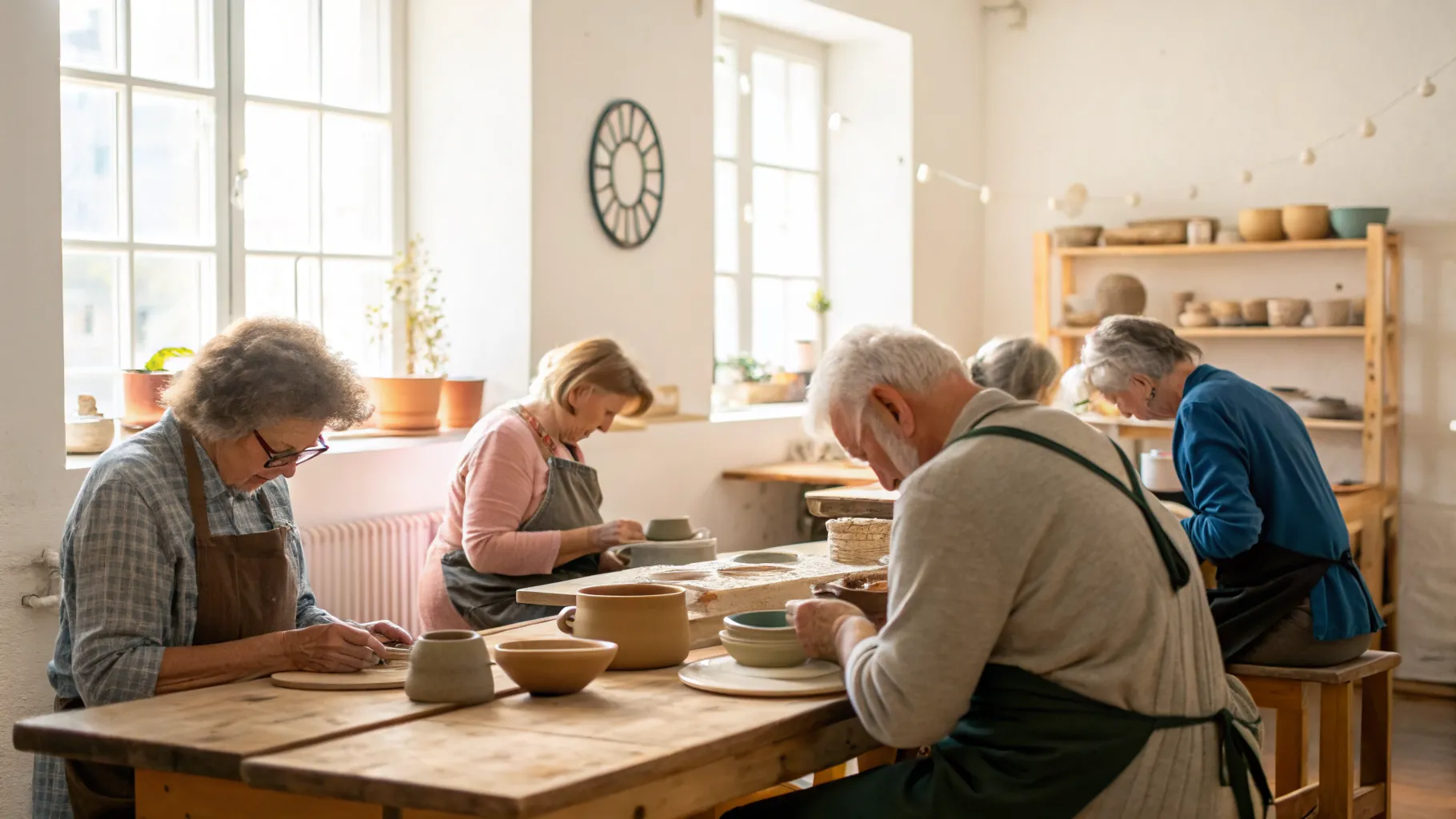
Working with clay is a wonderfully tactile experience that can be both therapeutic and rewarding. Pottery-focused art classes for seniors often cover everything from hand-building techniques like coiling and slab work to the more challenging skill of throwing on a potter's wheel. This craft is excellent for maintaining hand strength and dexterity, and the process of transforming a lump of clay into a finished, glazed piece provides immense satisfaction.
Painting and Drawing
From watercolor to acrylics and charcoal drawing, painting classes remain one of the most popular senior art programs. These workshops teach fundamental principles like color theory, composition, and brush techniques in a supportive environment. Painting is a fantastic way to improve focus and concentration, and it allows for infinite personal expression. Many centers offer beginner-level art classes for seniors, ensuring no prior experience is necessary to start creating beautiful artwork.
Fiber Arts and Textiles
Workshops centered on knitting, crocheting, weaving, and quilting offer a cozy and social creative outlet. These crafts are known for their calming, repetitive motions, which can help reduce stress and anxiety. Participating in these types of art and craft workshops for seniors often fosters a strong sense of community, as participants share patterns, help one another with projects, and socialize while they work. The finished products, from warm scarves to intricate quilts, serve as tangible reminders of their skill and dedication.
The Proven Health Benefits of Senior Art Programs
Beyond the simple joy of creating, the health benefits associated with senior art programs are well-documented. Engaging in artistic activities provides a powerful workout for the brain. Learning new skills, making creative decisions, and solving artistic problems help build new neural pathways and can improve cognitive functions like memory and problem-solving. Physically, many crafts help enhance fine motor skills, coordination, and hand-eye coordination. Emotionally, the benefits are just as profound. Art provides a non-verbal outlet for expressing feelings, reduces cortisol levels, and boosts self-esteem. The social aspect of group creative workshops for older adults directly combats isolation and fosters a sense of belonging.
How to Choose the Right Art Classes for Seniors
Finding the perfect workshop requires a bit of research, but the effort is well worth it. The goal is to find a program that is not only interesting but also accommodating and supportive. A positive experience can spark a lifelong passion, so it's important to consider several factors before enrolling in one of the many available art classes for seniors.
- Consider Your Interests and Passions: Start by thinking about what truly excites you. Are you drawn to color and texture? Do you enjoy working with your hands to build something three-dimensional? Choosing a medium that genuinely interests you is the most important step to staying engaged and motivated.
- Assess the Instructor's Experience: Look for instructors who have experience working with older adults. A great teacher for craft workshops for seniors is patient, encouraging, and skilled at adapting techniques for different physical abilities.
- Evaluate the Environment and Accessibility: Visit the studio or workshop space if possible. Is it well-lit, comfortable, and physically accessible? A welcoming and safe environment is crucial for a positive and stress-free creative experience.
- Look for Social Opportunities: A key benefit of these workshops is the social connection. Does the class structure allow for interaction among participants? A friendly, communal atmosphere can be just as important as the art itself.
Finding Local and Online Creative Workshops for Older Adults
Locating the right program is easier than ever. A great starting point is your local senior center, community recreation department, or library, as they frequently host or have information on senior art programs. Community colleges also often have continuing education departments that offer a wide array of art and craft workshops for seniors at an affordable price. Don't forget to search online for terms like 'creative workshops for older adults near me' to find private studios and organizations. Furthermore, the rise of virtual learning has made it possible to join high-quality art classes for seniors from the comfort of your own home, connecting you with instructors and classmates from around the world.
Frequently Asked Questions
What if I have no artistic experience for these craft workshops for seniors?
That is perfectly fine! The vast majority of art and craft workshops for seniors are designed for beginners. Instructors are skilled at teaching the fundamentals from the ground up in a non-judgmental and encouraging environment. The focus is on the process and enjoyment, not on creating a masterpiece.
Are there art classes for seniors that accommodate physical limitations?
Yes, many senior art programs are specifically designed with physical limitations in mind. Instructors often use adaptive tools, ergonomic seating, and modified techniques to ensure everyone can participate comfortably. It's always a good idea to speak with the workshop organizer beforehand to discuss any specific needs.
How can senior art programs help with cognitive health?
Creative workshops for older adults stimulate the brain in unique ways. Learning a new skill, concentrating on a project, and making artistic choices all challenge the mind, which can help improve memory, attention, and problem-solving abilities. This mental engagement is a key factor in promoting long-term cognitive health.
References
- National Institute on Aging - Participating in the Arts Creates Paths to Healthy Aging
- The Gerontological Society of America - The Impact of Arts and Culture on Health and Wellbeing in Later Life
- American Art Therapy Association - Art Therapy and Older Adults