Achieve Energy Independence with Home Battery Storage Systems
Facts:
- Enhance household self-sufficiency significantly.
- Demand for Home Battery Storage Systems is rapidly growing for homeowners.
Embracing Energy Independence with Home Battery Storage Systems
In an era demanding greater control over personal energy consumption and a resilient stance against unpredictable grid fluctuations, **Home Battery Storage Systems** have emerged as a pivotal solution. These advanced systems are not merely a luxury but a crucial component for homeowners aiming for greater **energy independence** and reduced reliance on traditional utility grids. By capturing and storing excess energy, primarily from solar installations, these batteries ensure a consistent and reliable supply of **backup power** during outages, effectively transforming a household's energy profile. Understanding their operation and benefits is key to unlocking a more sustainable and secure energy future for any modern home.
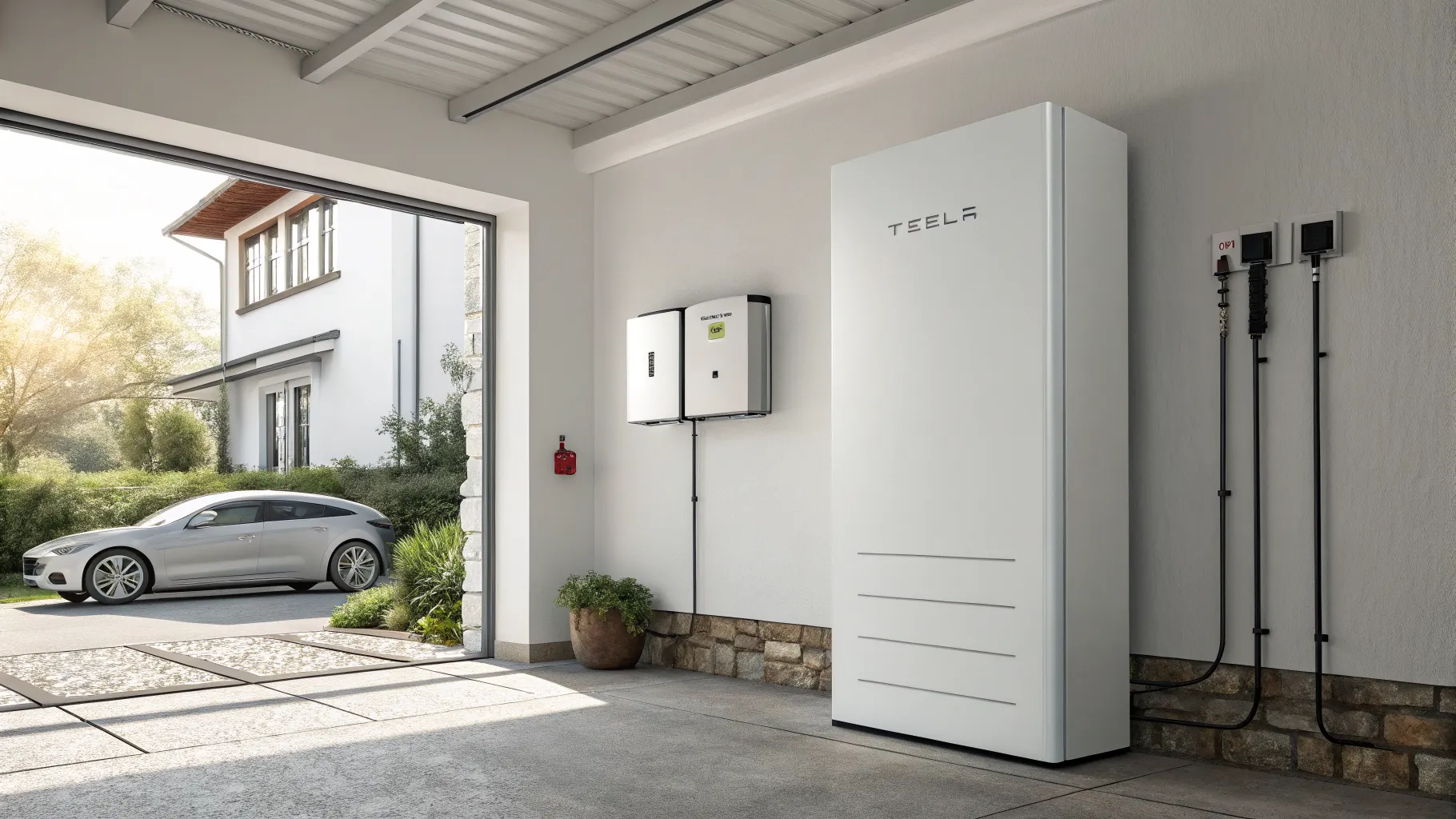
How Home Battery Storage Systems Work
At its core, a **Home Battery Storage System** functions by storing electrical energy for later use. During periods of low demand or high generation (e.g., peak sunshine for solar panels), surplus electricity is diverted to the battery pack instead of being sent back to the grid for minimal credit. When solar production is low, or during a grid outage, the stored energy is then discharged to power the home. This intelligent management of energy ensures that homeowners can maximize their self-consumption of renewable energy, significantly reducing their electricity bills and providing essential **backup power**. The system continuously monitors energy flow, making instantaneous decisions to charge, discharge, or draw from the grid based on programmed preferences and real-time conditions.
Components of a Residential Energy Storage System
A typical **residential energy storage** setup comprises several key components working in harmony. The most prominent is the battery itself, often a lithium-ion unit, designed for deep cycling and longevity. Connected to this is an inverter, which converts the DC power stored in the battery into AC power usable by household appliances. Modern inverters are often hybrid, capable of managing both solar input and grid interaction. An energy management system (EMS) acts as the brain, intelligently controlling charge and discharge cycles, monitoring consumption, and allowing homeowners to optimize their **solar battery storage** for peak efficiency and cost savings. This sophisticated integration ensures seamless energy flow and maximum benefit from the stored power.
Benefits of Installing Solar Battery Storage
The installation of **Solar Battery Storage** offers a multitude of benefits that extend beyond mere financial savings. Foremost among these is the tangible increase in **energy independence**. Homeowners gain the ability to generate and store their own electricity, significantly reducing their reliance on volatile utility rates and potentially unreliable grid infrastructure. This self-sufficiency translates into peace of mind, especially during extreme weather events or widespread power outages, where the **Home Battery Storage Systems** act as a reliable source of **backup power**. Furthermore, by optimizing energy consumption, batteries allow users to shift usage to off-peak hours, thereby capitalizing on time-of-use tariffs and dramatically lowering monthly electricity costs. The environmental benefits are also substantial, as greater self-consumption of solar energy reduces the overall carbon footprint.
Enhancing Grid Reliability and Stability
Beyond individual household benefits, the widespread adoption of **Home Battery Storage Systems** plays a crucial role in enhancing overall **grid reliability**. By providing localized storage, these systems can reduce strain on the central grid during peak demand periods, preventing costly infrastructure upgrades and minimizing the risk of brownouts or blackouts. When aggregated, networks of **residential energy storage** units can even participate in virtual power plant programs, contributing to grid stability by responding to demand signals. This decentralized approach to energy management fosters a more robust and resilient energy ecosystem, ensuring that communities have access to consistent and dependable electricity, bolstered by distributed **backup power** capabilities.
Types of Home Battery Storage Systems Available
The market for **Home Battery Storage Systems** is diverse, offering various technologies and configurations to suit different needs and budgets. The most common type is lithium-ion, favored for its high energy density, long cycle life, and efficient performance. These include popular models from manufacturers like Tesla, LG Chem, and Enphase. Less common but still available are lead-acid batteries, which are a more economical upfront option but typically have a shorter lifespan and lower efficiency. Systems also vary in capacity, ranging from smaller units designed for minimal **backup power** to larger, modular systems capable of powering an entire home for extended periods. Inverter technology also plays a crucial role, with some systems offering integrated inverters specifically optimized for **solar battery storage**, providing a streamlined and efficient solution for **residential energy storage** needs.
Choosing the Right Home Battery Storage Solution
Selecting the optimal **Home Battery Storage System** requires careful consideration of several factors tailored to individual household energy consumption patterns, budget, and future goals. Key considerations include the battery's capacity (measured in kWh), which determines how much energy it can store and for how long it can provide **backup power**. Power output (measured in kW) is also vital, indicating how many appliances the battery can run simultaneously. Other critical aspects include the system's efficiency, warranty period, depth of discharge, and its compatibility with existing or planned **solar battery storage** installations. Understanding your peak energy usage, average daily consumption, and local utility incentives will greatly assist in making an informed decision that maximizes both cost savings and **energy independence**.
Installation and Maintenance Considerations
Professional installation is paramount for any **residential energy storage** system to ensure safety, optimal performance, and adherence to local electrical codes. Certified installers can assess your home's electrical infrastructure, properly size the system, and integrate it seamlessly with your solar panels and main electrical panel. While modern **Home Battery Storage Systems** are designed for minimal maintenance, it is advisable to follow manufacturer guidelines regarding periodic checks and software updates. Regular monitoring of system performance, often through user-friendly apps, can help identify any potential issues early. Proper ventilation and protection from extreme temperatures are also important for extending the lifespan and efficiency of your **solar battery storage** investment, securing long-term **grid reliability** and consistent **backup power**.
Maximizing Your Energy Savings and Resilience
Integrate with Solar Panels:
Pairing your **Home Battery Storage System** with existing or new solar panels is the most effective way to achieve true **energy independence**. The battery stores excess solar generation, ensuring you have power even when the sun isn't shining. This synergy significantly reduces your reliance on grid electricity and maximizes your return on investment in renewable energy.
Optimize Energy Consumption:
Utilize smart home devices and energy management systems to schedule high-demand appliance usage for periods when electricity is cheapest (off-peak) or when your **solar battery storage** is fully charged. This strategic consumption, often referred to as 'load shifting,' can lead to substantial savings on your electricity bills and greater utilization of your stored **residential energy storage**.
Participate in Grid Programs:
Many utilities offer incentives for homeowners with **Home Battery Storage Systems** who allow their batteries to support **grid reliability**. These programs, such as demand response or virtual power plants, compensate you for allowing the utility to draw small amounts of power from your battery during peak demand, providing financial benefits while contributing to overall energy stability.
Ensure Regular Maintenance:
While modern **solar battery storage** systems require minimal maintenance, adherence to manufacturer recommendations for software updates and occasional performance checks can prolong the system's lifespan and ensure consistent **backup power**. Keeping an eye on your system's performance metrics through its dedicated app can help identify and address any inefficiencies promptly.
Frequently Asked Questions
How long do Home Battery Storage Systems last?
Most modern **Home Battery Storage Systems**, particularly lithium-ion models, are designed to last between 10 to 15 years, often accompanied by warranties guaranteeing a certain number of cycles or retained capacity within that timeframe. Factors like usage patterns, environmental conditions, and maintenance can influence their overall lifespan.
Are Home Battery Storage Systems worth the investment?
The worth of **Home Battery Storage Systems** depends on individual circumstances, including local electricity rates, solar panel ownership, and the frequency of power outages. For those seeking greater **energy independence**, reduced electricity bills through time-of-use optimization, and reliable **backup power**, the investment can be highly valuable, offering significant long-term savings and peace of mind.
Can I go completely off-grid with Solar Battery Storage?
Yes, it is possible to go completely off-grid with a sufficiently sized **Solar Battery Storage** system combined with a robust solar panel array. However, achieving full **energy independence** requires careful planning, accurate sizing to cover all energy needs year-round, and potentially additional backup generators for extended periods of low solar production. Most homeowners opt for grid-tied systems with battery backup for optimal cost-efficiency and flexibility.
References
- Energy Information Administration (EIA) Reports
- National Renewable Energy Laboratory (NREL) Studies
- Various industry whitepapers on residential energy storage solutions
- Consumer reports on home battery performance and reliability