A Guide to Woodworking and Home Repair Classes
Learning a hands-on skill like woodworking or basic home repair can be incredibly rewarding. It empowers you to build, create, and maintain your own living space, turning abstract ideas into tangible objects. Whether you want to restore a family heirloom, build custom furniture, or simply fix a leaky faucet, there is a class or workshop designed to teach you the necessary skills.
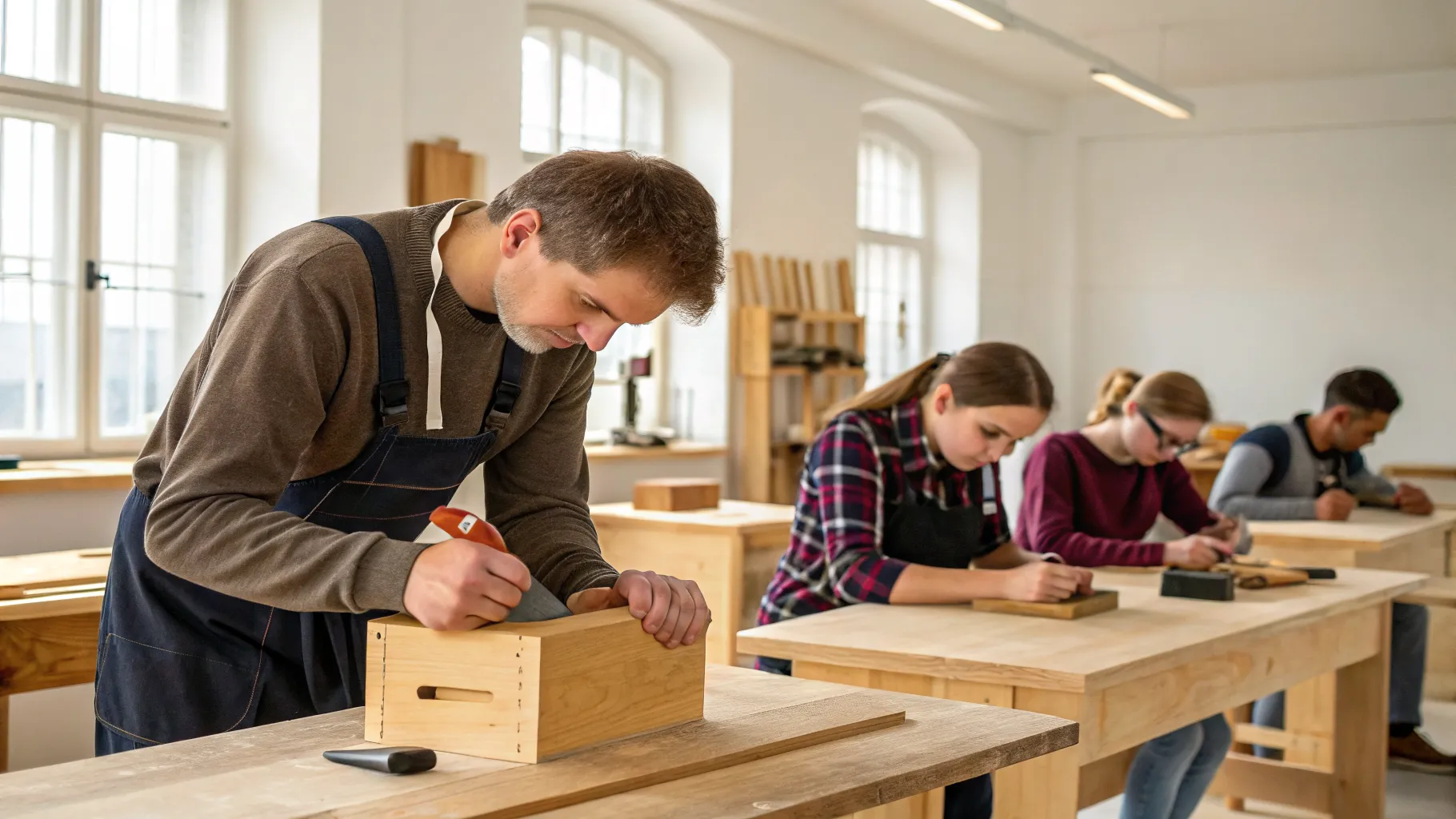
What to Expect from a Beginner's Woodworking Class
A beginner's woodworking class is the perfect entry point for anyone curious about the craft. These courses are designed with the novice in mind, starting with the absolute basics. The initial lessons typically focus on understanding different types of wood, their characteristics, and how to select the right material for a project. A significant portion of the class is dedicated to safety, teaching the proper way to handle and operate both hand tools and power tools like saws, drills, and sanders.
Once the fundamentals are covered, you will move on to practical application. Most introductory courses guide students through one or two small projects from start to finish. This could be something like a simple cutting board, a small bookshelf, or a toolbox. These projects are carefully chosen to teach essential skills such as measuring, cutting, joining wood, and applying a finish. You will leave not only with a finished product but also with the confidence to tackle more complex projects on your own.
Exploring Home Repair Workshops
Home repair workshops focus on practical knowledge that can save you time and money. Instead of calling a professional for every minor issue, you can learn to handle common household problems yourself. These classes are often project-based, addressing the most frequent maintenance tasks homeowners face. The curriculum is designed to be accessible, breaking down seemingly complex jobs into manageable steps.
Topics covered in a typical home repair workshop are diverse and highly useful. You can expect to learn about:
- Basic Plumbing: Skills like fixing a leaky faucet, clearing a clogged drain, or replacing a showerhead.
- Simple Electrical Work: How to safely replace a light switch, install a dimmer, or change a light fixture.
- Drywall Repair: Techniques for patching small holes and cracks in walls for a seamless finish.
- General Maintenance: Tasks such as caulking windows and tubs, hanging pictures securely, and basic painting techniques.
The Art of Furniture Restoration and Refinishing
For those with an interest in preserving or updating old furniture, specialized restoration and refinishing classes offer invaluable skills. These workshops teach you how to breathe new life into worn-out or dated pieces. You will learn the difference between restoration, which aims to return a piece to its original state, and refinishing, which may involve changing its color or style entirely. The classes cover the entire process, from assessment to the final protective coat.
Key techniques taught in furniture restoration workshops include how to properly strip old paint or varnish without damaging the wood beneath. You will learn to make structural repairs, such as fixing wobbly legs or loose joints, and how to fill in gouges or scratches. The refinishing portion focuses on surface preparation, including sanding for a smooth finish, and the art of applying stains, paints, and topcoats like polyurethane or wax for a durable and beautiful result.
Where to Find Woodworking and Repair Classes
Fortunately, there are many places that offer courses for all skill levels. The key is to find an environment that matches your learning style and budget. You can typically find classes at local community centers or through adult education programs, which often provide affordable and accessible options for hobbyists. These are great places to start and meet other people with similar interests.
For more structured learning, consider these venues:
- Community Colleges: Often have non-credit courses as well as more intensive certificate programs in woodworking or building trades.
- Makerspaces: These are collaborative workshops where members can share tools and knowledge. They frequently host classes on everything from woodturning to basic home repair.
- Private Studios: Run by experienced artisans, these studios offer smaller class sizes and more personalized instruction, sometimes focusing on a specific niche like cabinet making or furniture design.
- Home Improvement Stores: Many large retail chains offer free or low-cost introductory workshops on specific topics like tiling a backsplash or installing flooring.
Choosing the Right Class for Your Goals
With so many options available, it's important to select a class that aligns with your specific goals. Before enrolling, consider what you want to achieve. Are you looking to pick up a casual hobby, or do you have a specific, large-scale project in mind, like building kitchen cabinets? If your goal is simply to become more self-sufficient at home, a general home repair workshop might be a better fit than an intensive woodworking course.
Look into the details of the curriculum to ensure it covers the skills you want to learn. Other factors to consider include the instructor's experience, the size of the class, and the cost. Smaller classes generally offer more one-on-one time with the teacher. Also, check what is included in the fee; some classes provide all materials, while others may require you to purchase your own lumber or supplies. Reading reviews from former students can provide great insight into the quality of the instruction and the overall experience.
Essential Tools and Safety Considerations
One of the biggest hurdles for beginners can be the cost of tools. The good news is that nearly all introductory classes provide access to a fully equipped workshop. This allows you to try a wide range of hand and power tools before deciding to invest in your own. The instructor will teach you the purpose of each tool and demonstrate its proper use. As you advance, you may start building your own collection, but it is not necessary for getting started.
Safety is the most critical component of any woodworking or repair class. A reputable course will have a strong emphasis on safety protocols from day one. This includes mandatory use of personal protective equipment (PPE), such as safety glasses and hearing protection. Instructors will meticulously review the safety features of each machine and enforce rules to ensure a secure learning environment for everyone. Learning these habits in a formal setting is crucial for preventing accidents when you eventually work on projects at home.