A Guide to Tankless Water Heater Installation Costs
Switching to a tankless water heater can be an appealing option for homeowners looking for energy efficiency and an endless supply of hot water. However, understanding the full installation cost is crucial for making an informed decision. The total price is a combination of the unit's price, labor fees, and any modifications your home might need to accommodate the new system.
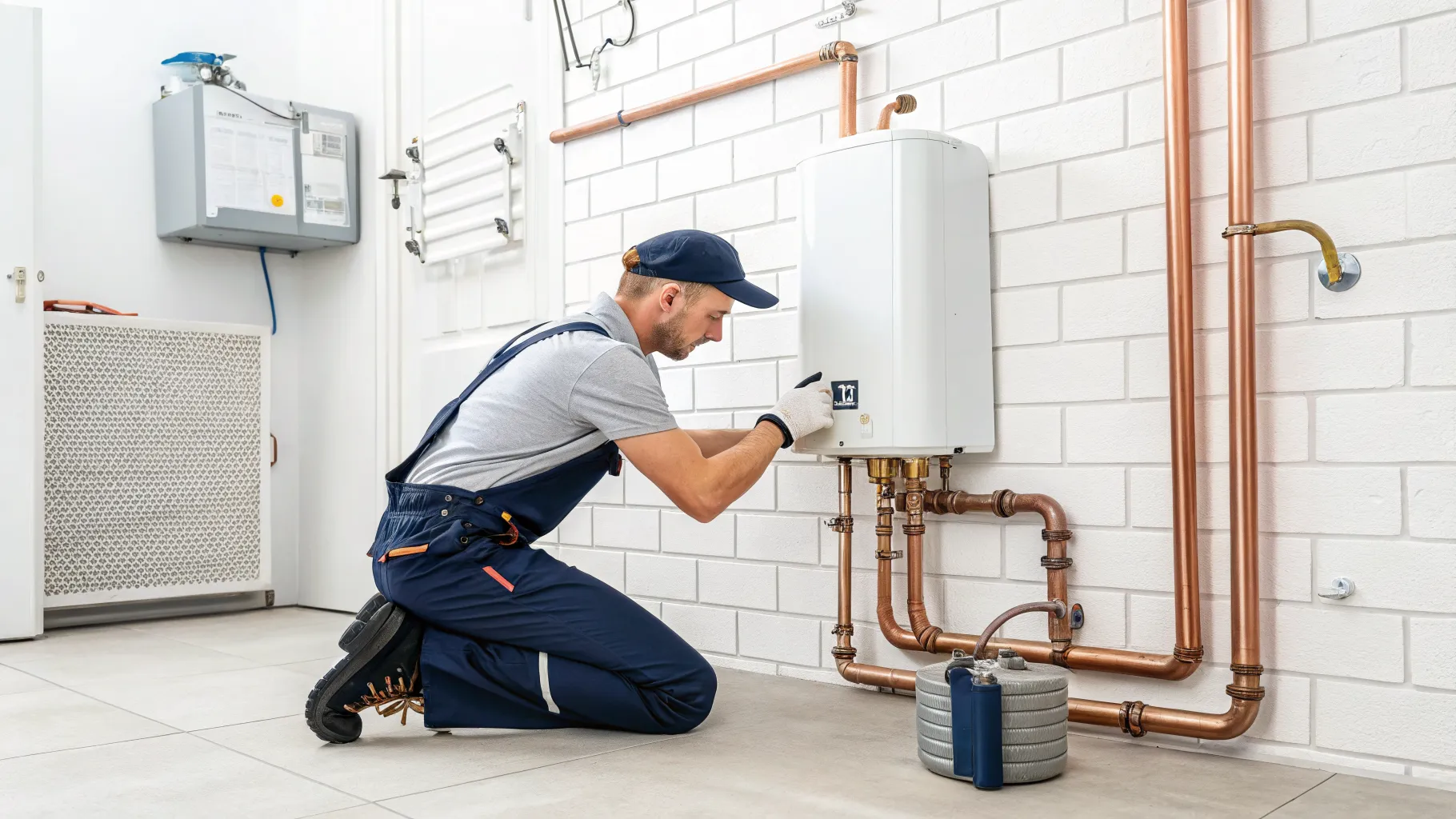
Understanding the Base Cost of the Unit
The first major component of the total cost is the tankless water heater unit itself. Prices can vary widely based on several factors, including the brand, fuel type, and capacity. Gas-powered models generally have a higher upfront cost than their electric counterparts, but the long-term operating costs can differ based on local utility rates.
The unit's capacity, measured in gallons per minute (GPM), also plays a significant role in its price. A larger home with multiple bathrooms and appliances that use hot water simultaneously will require a unit with a higher GPM flow rate to meet demand. Higher GPM units are more complex and therefore more expensive. Additionally, models with higher energy efficiency ratings or advanced features like Wi-Fi connectivity will also command a higher price.
Key Factors Influencing Labor Costs
Labor is a substantial part of the overall installation expense. The cost of professional labor depends on your geographic location, the complexity of the installation, and the experience of the installer. A straightforward replacement of an existing tankless water heater will typically cost less in labor than a new installation or a conversion from a traditional storage tank heater.
A conversion from a tank-style heater is often more involved because it may require new plumbing, gas lines, or electrical circuits to be run to the new unit's location. The installer will need to remove and dispose of the old tank, which can also be factored into the labor quote. It is always recommended to hire a licensed and insured plumber or HVAC technician for this type of work to ensure it is done safely and correctly.
Gas vs. Electric Installation Differences
The type of fuel your tankless water heater uses will significantly impact the installation requirements and cost. Gas models are often more complex to install. They require proper ventilation to safely exhaust combustion gases, which might involve drilling through an exterior wall or running a new vent pipe through the roof. Furthermore, gas tankless heaters need a larger diameter gas line than most traditional tank heaters, so upgrading your existing gas plumbing is a common additional expense.
Electric tankless water heaters do not require venting, which can simplify one aspect of the installation. However, they have substantial electrical power requirements. Most models need one or more dedicated high-amperage circuits. In some cases, a home's existing electrical panel may not have enough capacity, necessitating a costly panel upgrade to handle the increased load. An electrician is often required to perform this part of the installation.
Necessary Home Modifications and Upgrades
Beyond the direct installation of the unit, many homes require additional modifications to support a tankless water heater. These upgrades are a common source of unexpected costs if not planned for. Plumbers may need to reroute water pipes, and structural changes could be needed to mount the unit on the wall securely.
Other potential upgrades that can add to the total cost include:
- Upgrading the home's main electrical panel for an electric model.
- Running new, larger-diameter gas lines for a gas model.
- Installing a new stainless steel ventilation system for a gas unit.
- Adding a water softener or whole-house filtration system, which is often recommended in areas with hard water to prevent mineral buildup and extend the life of the heater.
The Role of Location and Permits
Where you live has a direct impact on the cost of your tankless water heater installation. Labor rates and material costs can vary significantly between different cities and states. Generally, costs tend to be higher in major metropolitan areas compared to more rural locations.
Additionally, many local building authorities require a permit for installing a new water heater. This is to ensure the installation complies with all local building and safety codes. The cost of the permit itself is usually modest, but it adds to the total expense. The permitting process may also require an inspection after the work is completed, which can influence the project's timeline.
Comparing Quotes and Finding a Qualified Installer
To get a clear picture of the potential cost, it is wise to obtain at least three detailed quotes from different qualified professionals. A comprehensive quote should be itemized, clearly breaking down the costs for the unit, labor, all necessary materials like piping and fittings, and any required electrical or gas line upgrades. Vague or lump-sum estimates can hide unexpected charges later.
When choosing an installer, look for a licensed plumber or HVAC contractor with specific experience installing tankless water heaters. Ask for references and check online reviews. Hiring an experienced professional ensures the unit is installed safely, operates efficiently, and complies with all manufacturer specifications and local codes, which is essential for warranty validity.