A Guide to Non-Surgical Varicose Vein Treatments
Varicose veins are a common condition that affects many adults, often causing discomfort, swelling, and aesthetic concerns. Fortunately, advancements in medical technology mean that major surgery is no longer the only option. Today, a variety of effective, non-surgical treatments are available that offer excellent results with minimal downtime. These procedures are typically performed in an office setting and allow patients to return to their daily activities quickly.
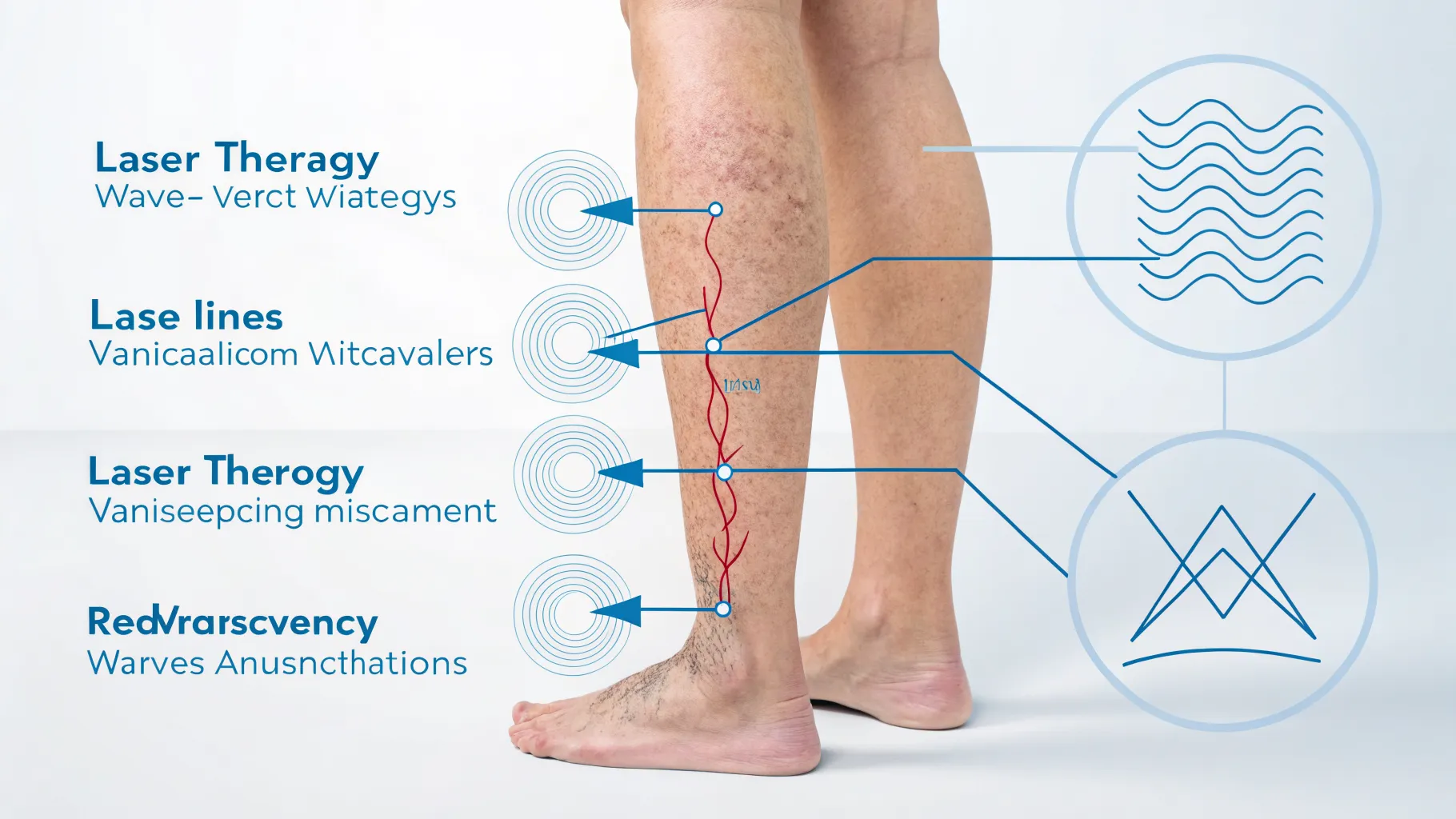
Understanding When to Consider Treatment
Varicose veins are swollen, twisted veins that you can see just under the surface of the skin, most commonly in the legs. They occur when the valves within the veins weaken or become damaged, causing blood to pool and the veins to enlarge. While for some people they are purely a cosmetic issue, for others they can cause aching pain, a feeling of heaviness, swelling in the lower legs, and skin discoloration.
It's generally a good idea to consider treatment when symptoms begin to interfere with your daily life or if you are concerned about their appearance. Seeking a consultation with a healthcare professional, such as a vascular specialist, can help determine the underlying cause and the most appropriate course of action. They can assess the severity of your condition and recommend a treatment plan tailored to your specific needs.
Sclerotherapy: Injecting the Problem Away
Sclerotherapy is one of the most common and long-standing treatments for smaller varicose veins and spider veins. The procedure involves injecting a special solution, called a sclerosant, directly into the affected vein. This solution irritates the lining of the blood vessel, causing it to collapse and stick together. Over time, the vessel turns into scar tissue and fades from view.
The procedure is very straightforward and is typically completed in a doctor's office in less than an hour. Multiple veins can be treated in a single session. After the treatment, patients are usually encouraged to walk and may need to wear compression stockings for a short period to help with healing and circulation. The results become visible over several weeks as the treated veins fade.
Endovenous Laser Ablation (EVLA)
Endovenous laser ablation, often referred to as EVLA or laser therapy, is a highly effective procedure for treating larger varicose veins. This minimally invasive technique uses laser heat to close off the problematic vein. During the procedure, a thin fiber is inserted into the vein through a tiny incision, usually near the knee.
Once the fiber is in place, it delivers laser energy along the length of the vein wall. The heat causes the vein to shrink and seal shut. The body then naturally reroutes blood flow to healthier veins nearby. The procedure is performed with local anesthesia, and patients can typically walk immediately afterward. It has a high success rate and has become a standard of care for larger varicose veins.
Radiofrequency Ablation (RFA)
Radiofrequency ablation is another heat-based treatment that is very similar to EVLA. Instead of using laser energy, RFA uses radiofrequency energy to heat and damage the wall inside a vein, which closes it off. A small catheter is inserted into the vein, and once positioned, it delivers controlled bursts of radiofrequency energy to heat segments of the vein.
Like EVLA, RFA is performed under local anesthetic and is a very safe and effective option for larger veins. The main difference lies in the type of energy used. Some studies suggest RFA may be associated with slightly less post-procedure discomfort compared to laser ablation, but both have excellent long-term outcomes. A specialist can help you understand which method might be more suitable for your situation.
Medical Adhesive Closure Systems
One of the newer advancements in vein treatment is the use of medical adhesives. The VenaSeal system is a well-known example of this technology. This procedure involves injecting a small amount of a specially formulated medical glue into the diseased vein through a tiny catheter. The adhesive seals the vein shut, and blood is rerouted through healthy veins.
A significant advantage of this method is that it often does not require the use of compression stockings after the procedure, which many patients find convenient. It also involves fewer injections of local anesthetic compared to heat-based treatments. This approach is known for its quick recovery time and high level of patient comfort, making it an attractive option for many individuals.
Choosing the Right Treatment for You
With several effective non-surgical options available, deciding on the best one depends on a few key factors. A thorough evaluation by a vein specialist is the most important first step. They will likely perform an ultrasound to map your veins and assess the extent of the problem. Your provider will then discuss the most suitable options based on your specific condition.
Factors that influence the choice of treatment include:
- The size and location of your varicose veins.
- Your overall health and medical history.
- Your personal preference and lifestyle considerations.
- Insurance coverage and potential out-of-pocket costs.
By having an open conversation with a qualified professional, you can weigh the pros and cons of each procedure and make an informed decision that aligns with your health goals and expectations. The goal is to find a treatment that not only addresses the veins but also relieves any associated symptoms.