A Guide to Effective Treatments for Eczema and Psoriasis
Eczema and psoriasis are two common skin conditions that can cause significant discomfort and frustration. While they share some symptoms, such as red and itchy skin, they are distinct conditions with different underlying causes and often require tailored treatment approaches. Understanding the wide array of available treatments is the first step toward finding relief and effectively managing symptoms for the long term.
Differentiating Eczema from Psoriasis
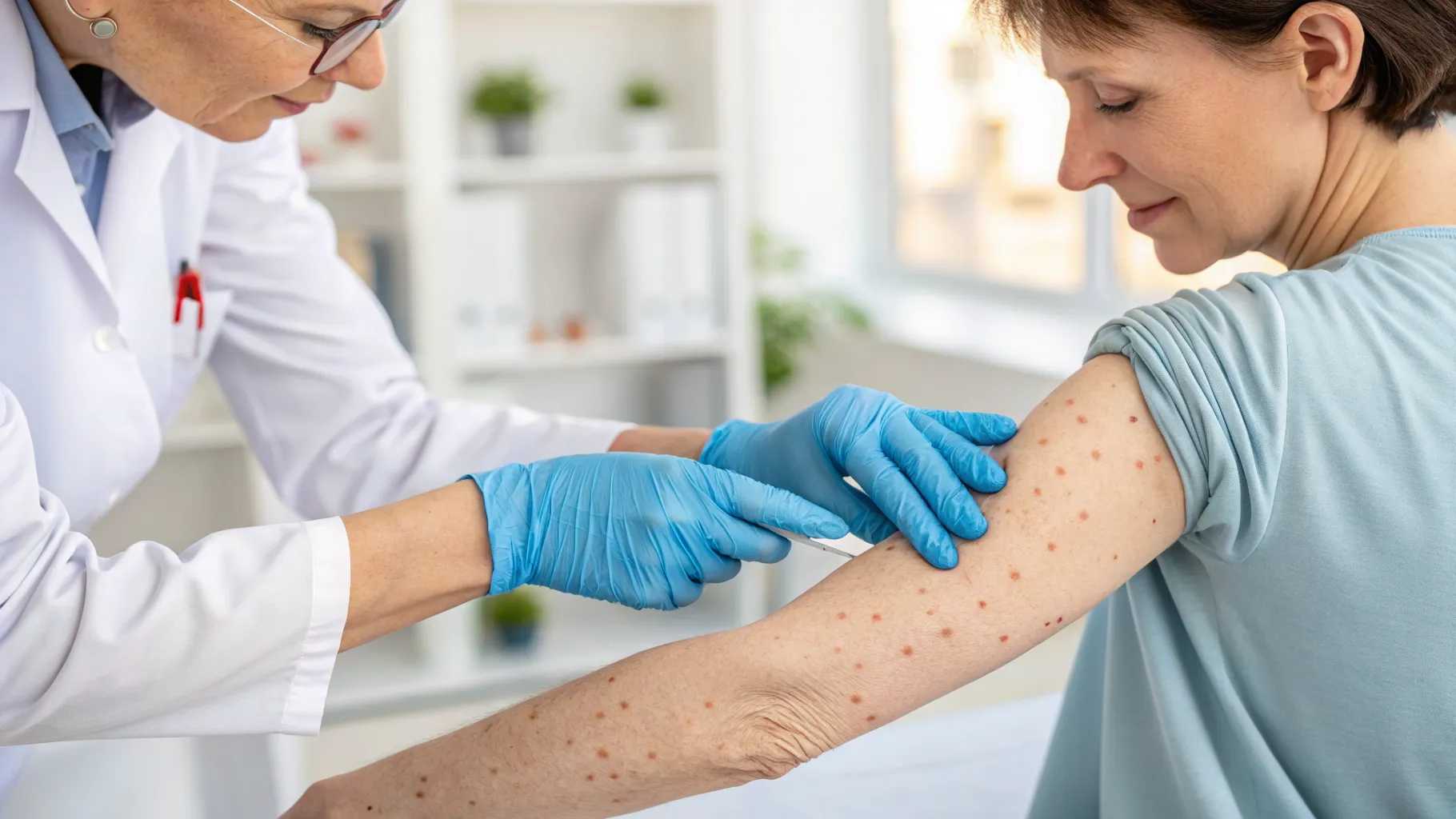
Before exploring treatments, it's helpful to understand the key differences between eczema and psoriasis. Eczema, also known as atopic dermatitis, is often linked to a compromised skin barrier, which makes the skin more susceptible to irritants and allergens. This results in intensely itchy, dry, and inflamed skin, sometimes with weeping or crusting. It commonly appears in the creases of elbows and knees.
Psoriasis, on the other hand, is an autoimmune condition where the body's immune system mistakenly attacks healthy skin cells, causing them to grow too quickly. This rapid cell turnover leads to the formation of thick, red, scaly patches called plaques, which may have a silvery appearance. Psoriasis is frequently found on the scalp, elbows, knees, and lower back. A proper diagnosis from a healthcare professional is crucial for determining the right treatment plan.
Over-the-Counter (OTC) Solutions
For mild cases of both eczema and psoriasis, several over-the-counter options can provide significant relief. The foundation of any skincare routine for these conditions is consistent moisturization. Thick creams and ointments help to repair the skin barrier, lock in moisture, and reduce dryness and itching. Look for products that are fragrance-free and specifically formulated for sensitive skin.
Beyond basic moisturizers, other helpful OTC products are available. These often serve as a first line of defense before moving on to stronger treatments.
- Mild Corticosteroids: Creams containing a low percentage of hydrocortisone can help reduce inflammation and itching during flare-ups.
- Coal Tar Preparations: Available in shampoos, creams, and oils, coal tar can help slow the rapid growth of skin cells in psoriasis.
- Salicylic Acid: This ingredient can help soften and remove the thick scales associated with psoriasis plaques, allowing other topical medications to penetrate more effectively.
Prescription Topical Treatments
When OTC products are not enough, a doctor or dermatologist may prescribe stronger topical medications. These are applied directly to the affected skin and are a mainstay of treatment for mild to moderate eczema and psoriasis. Corticosteroids are among the most commonly prescribed topicals due to their potent anti-inflammatory properties. They come in various strengths, and a healthcare provider will select the appropriate one based on the severity and location of the condition.
Other prescription topicals work through different mechanisms. Calcineurin inhibitors are non-steroidal options that are particularly useful for sensitive areas like the face or skin folds. Vitamin D analogues are another class of medication often used for psoriasis; they work by slowing down the growth of skin cells. It's important to use these medications exactly as directed by your provider to maximize effectiveness and minimize potential side effects.
Phototherapy: Using Light to Heal Skin
Phototherapy, or light therapy, involves exposing the skin to controlled amounts of ultraviolet (UV) light on a regular basis. This treatment is typically administered in a doctor's office or clinic under medical supervision. The most common type is narrowband ultraviolet B (UVB) light, which has been shown to be effective for treating widespread psoriasis and moderate to severe eczema by reducing inflammation and slowing skin cell production.
The process usually involves multiple sessions per week for several weeks or months. While effective for many individuals, phototherapy requires a significant time commitment and may not be suitable for everyone. A dermatologist can help determine if you are a good candidate for this treatment based on your skin type, condition severity, and overall health.
Systemic Medications for Severe Cases
For individuals with severe, widespread, or treatment-resistant eczema or psoriasis, systemic medications may be necessary. These medications work throughout the body rather than just on the skin's surface. Traditional systemic drugs include immunosuppressants like methotrexate and cyclosporine, which work by calming the overactive immune system responsible for the inflammation.
A newer class of systemic treatments is known as biologics. These are protein-based drugs, typically administered by injection or infusion, that target very specific parts of the immune system involved in the disease process. Because they are highly targeted, they can be very effective for moderate to severe psoriasis and atopic dermatitis while often having fewer broad side effects than traditional immunosuppressants. These advanced treatments require close monitoring by a specialist.
Lifestyle and Home-Based Approaches
In addition to medical treatments, certain lifestyle adjustments and home care strategies can play a crucial role in managing eczema and psoriasis. Identifying and avoiding personal triggers is a key step. Triggers can vary widely among individuals but may include stress, certain foods, allergens like dust mites or pollen, and harsh soaps or detergents.
Creating a skin-friendly daily routine can also make a significant difference in symptom management. Consider incorporating some of these habits:
- Gentle Bathing: Take short, lukewarm baths or showers and use a mild, fragrance-free cleanser.
- Moisturize Daily: Apply a thick moisturizer to damp skin immediately after bathing to lock in hydration.
- Choose Soft Fabrics: Wear loose-fitting clothing made from soft, breathable materials like cotton to minimize skin irritation.
- Manage Stress: Practice stress-reduction techniques such as mindfulness, yoga, or meditation, as stress is a common trigger for flare-ups.