A Guide to Music Lessons for Seniors Over 60
It is a common belief that learning a musical instrument is reserved for the young. However, picking up an instrument after the age of 60 can be an incredibly rewarding and beneficial experience. Whether you are fulfilling a lifelong dream or seeking a new hobby, music lessons offer a unique way to engage your mind, body, and spirit.
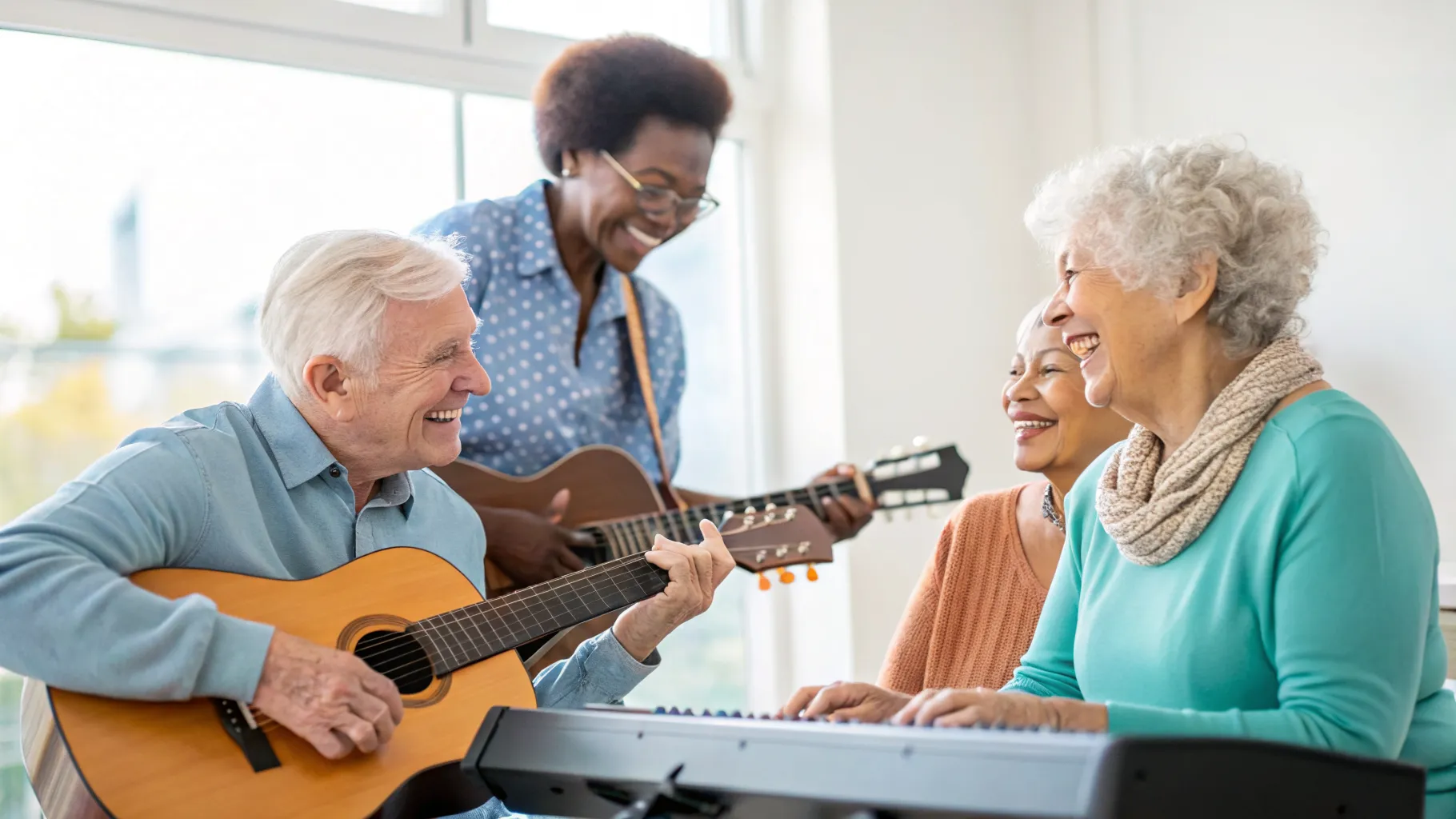
The Cognitive and Social Perks of Music
Engaging with music is a fantastic workout for the brain. Studies have shown that learning to play an instrument can improve memory, concentration, and problem solving skills. The process of reading music, coordinating hand movements, and listening for pitch and rhythm stimulates multiple areas of the brain, helping to keep it sharp and active.
Beyond the cognitive advantages, music is also a powerful social connector. Group classes or joining a community band provides an opportunity to meet new people with shared interests. This can lead to new friendships and a stronger sense of community, which is vital for wellbeing at any age. The shared experience of learning and performing together can be a wonderful source of joy and camaraderie.
How to Choose Your Perfect Instrument
The best instrument for you is the one you are most excited to play. However, some instruments are particularly well suited for adult beginners due to their learning curve or physical demands. Consider your musical tastes, physical comfort, and available space when making your choice.
- Piano or Keyboard: These are excellent choices because the notes are laid out visually, making music theory easier to grasp. Keyboards are versatile, often have adjustable volume, and do not require the same finger strength as some string instruments.
- Ukulele: This small, four stringed instrument is known for its cheerful sound and gentle learning curve. Its nylon strings are easier on the fingertips than steel string guitars, and basic chords can be learned relatively quickly.
- Guitar: A classic and versatile instrument. While it requires building up some finger calluses, there are many styles to explore. A classical guitar with nylon strings can be a more comfortable starting point for sensitive fingers.
- Voice: Your voice is an instrument you already own. Vocal lessons can improve your breathing, posture, and confidence, and there are community choirs for all skill levels that welcome new members.
Finding the Right Learning Format for You
Today, there are more ways than ever to learn music. The traditional one on one private lesson remains a popular and effective method, offering personalized feedback and a tailored curriculum. An instructor can adapt the pace and material to your specific needs and goals, which is a significant advantage for any learner.
Group classes, often found at community centers or music schools, provide a social and budget friendly alternative. For those who prefer learning from home, online options are abundant. You can find live video lessons with instructors from around the world or follow self paced video courses that allow you to learn on your own schedule. Each format has its benefits, so consider which style best fits your personality and lifestyle.
What to Look for in a Music Teacher
Finding the right teacher is crucial for a positive learning experience. Look for an instructor who has experience working with adult beginners. Patience, encouragement, and the ability to explain complex concepts in a clear, understandable way are essential qualities. A good teacher will listen to your musical goals and help you chart a path to achieve them, making the process fun rather than frustrating.
Do not hesitate to ask potential teachers about their teaching philosophy. You can find instructors through local music stores, community colleges, dedicated music schools, or online platforms that connect students with teachers. Many offer an introductory lesson, which is a great way to see if their teaching style is a good fit for you.
Setting Realistic Goals and Embracing the Journey
When starting music lessons as an older adult, the primary goal should be enjoyment. It is important to set realistic expectations and be patient with yourself. Progress may feel slow at times, but consistency is more important than speed. The aim is not to become a concert performer overnight, but to enjoy the process of learning and creating music.
Celebrate small achievements along the way, like mastering a new chord or playing a simple song all the way through. It is helpful to set aside a regular, manageable amount of time for practice rather than trying to cram in long sessions. Even 15 to 20 minutes a day can lead to significant progress over time and help build a sustainable and enjoyable new hobby.
Navigating Potential Hurdles with Confidence
Some seniors worry about physical limitations, such as arthritis or reduced flexibility, getting in the way of learning an instrument. Many teachers are skilled at adapting techniques to accommodate physical challenges. There are also ergonomic instruments and accessories available that can make playing more comfortable. Open communication with your instructor about any discomfort is key.
It is also common to feel self conscious or believe it is too late to learn. Remember that learning has no age limit, and the brain remains capable of forming new connections throughout life. Approach your lessons with a sense of curiosity and fun. The rewarding feeling of playing a favorite tune for the first time is a powerful motivator that makes the entire journey worthwhile.