A Guide to Inground Swimming Pool Installation Costs
An inground swimming pool can be a wonderful addition to a home, offering a private oasis for relaxation and recreation. However, the path to installation involves a complex budget with many variables. Understanding what goes into the total cost is the first step in planning a project that fits your needs and financial expectations.
Primary Factors That Determine Pool Cost
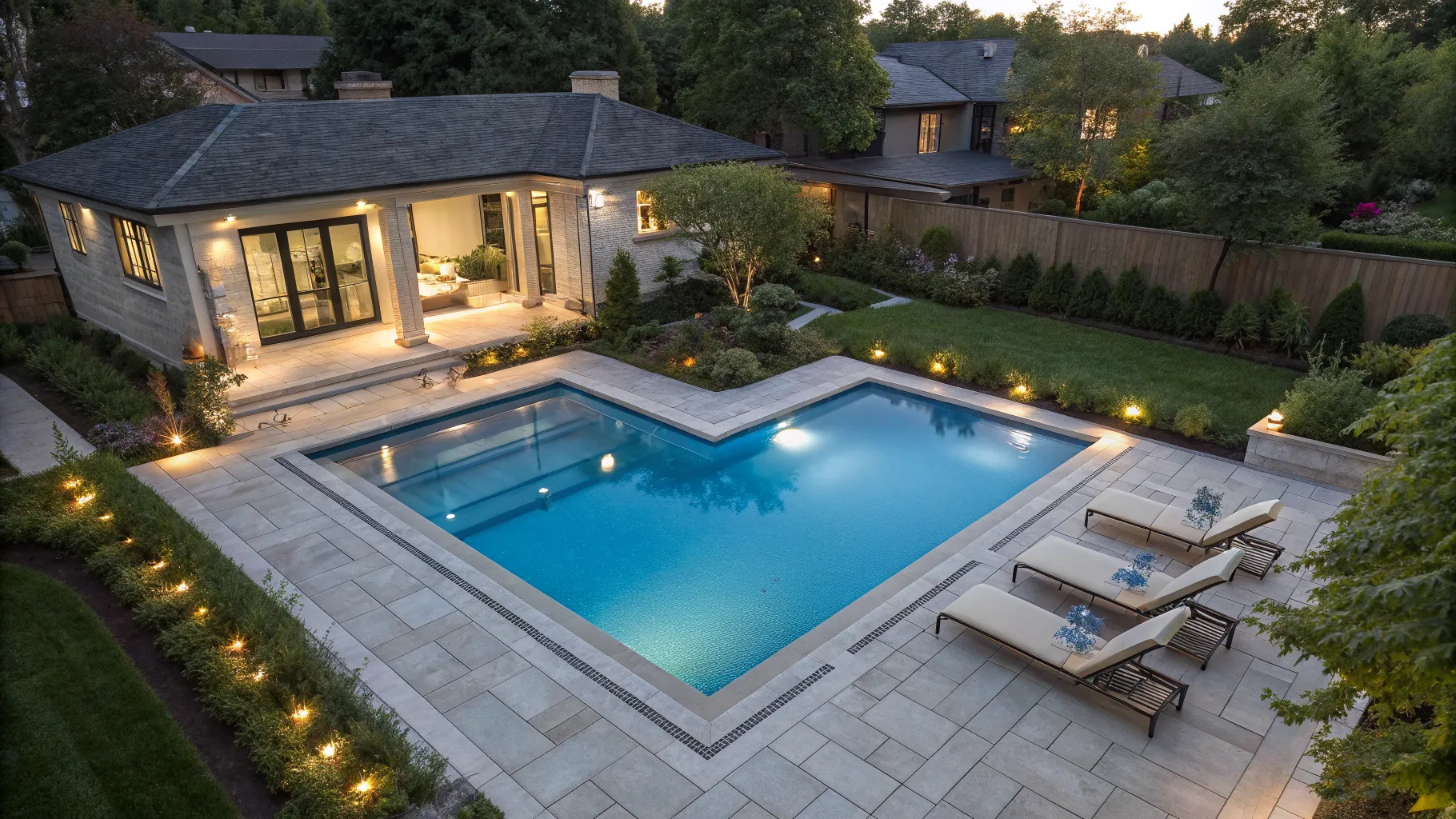
The final price tag for an inground pool is not a single number but a sum of many parts. The most fundamental factors are the pool's size, shape, and depth. A larger, deeper pool will naturally require more materials and labor for excavation and construction, driving up the cost. Simple rectangular shapes are generally more affordable than custom, freeform designs with curves and unique features, which demand more complex framework and finishing.
Your geographic location also plays a significant role. Labor rates vary widely from one region to another, directly impacting the installation budget. Furthermore, local soil conditions can introduce unexpected costs. Rocky or unstable soil may require additional excavation work and specialized equipment, while a high water table could necessitate extra drainage solutions. Permitting fees are another location-based expense that must be factored into the initial budget.
Comparing Pool Materials: Vinyl, Fiberglass, and Concrete
The material you choose for your pool shell is one of the biggest decisions affecting both the upfront cost and long-term maintenance. The three most common types of inground pools each have a distinct price point and set of characteristics. Understanding these differences is crucial for making an informed choice that aligns with your budget and lifestyle.
- Vinyl Liner Pools: These are typically the most affordable option initially. They consist of a metal or polymer wall structure with a custom-fitted vinyl liner. While the upfront cost is lower, the liner will need to be replaced every 5 to 10 years, which is a recurring expense.
- Fiberglass Pools: These are pre-molded shells manufactured off-site and delivered to your home for installation. They have a higher initial cost than vinyl pools but are known for their durability, low maintenance, and quick installation time. The smooth, non-porous surface is also resistant to algae growth.
- Concrete (Gunite or Shotcrete) Pools: Concrete pools offer the most design flexibility and are considered the most durable, but they are also the most expensive option. They can be built in any shape or size. However, they require a longer installation time and more intensive long-term maintenance, including periodic acid washing and replastering every 10 to 15 years.
Understanding Installation and Labor Expenses
The cost of labor and site preparation is a substantial portion of any pool installation budget. This process begins with excavation, where heavy machinery is used to dig the hole for the pool. The ease of access to your backyard can influence this cost; a site that is difficult for equipment to reach may require more manual labor or smaller machinery, increasing the time and expense involved.
After excavation, the work continues with plumbing and electrical installation. This includes running pipes for the filtration system, pumps, and any water features, as well as wiring for pool lights, pumps, and heaters. This work must be done by licensed professionals to ensure it meets local building codes for safety and functionality. The complexity of these systems will directly correlate with the final labor cost.
The Price of Custom Features and Upgrades
While a basic pool is a joy in itself, many homeowners choose to add features that enhance the experience and aesthetic. These optional upgrades can significantly increase the total project cost. For example, a pool heater can extend the swimming season in cooler climates but adds a considerable expense for both the unit and the installation, as well as ongoing utility costs.
Other popular enhancements include advanced lighting systems, such as color-changing LEDs, which create ambiance for nighttime swimming. Water features like waterfalls, fountains, or deck jets add sound and visual appeal. For convenience and safety, an automatic pool cover is a major upgrade that helps retain heat, reduce cleaning, and prevent accidents, though it represents a significant investment.
Budgeting for Decking, Fencing, and Landscaping
A common oversight when budgeting for a pool is forgetting the cost of the surrounding area. The pool itself is just one component of the project; the patio or deck, safety fencing, and landscaping are essential elements that complete the space. The choice of decking material has a major impact on the budget. Options range from standard poured concrete to more decorative stamped concrete, pavers, natural stone, or wood and composite decking, each with a different price point.
Nearly all municipalities have strict regulations requiring safety fencing around a swimming pool to prevent accidental access. The cost of this fencing will depend on the material you choose, such as aluminum, vinyl, wood, or glass, as well as the perimeter of the area you need to enclose. Finally, landscaping helps integrate the pool into your yard, but costs for sod, plants, trees, and irrigation systems should also be anticipated.
The Ongoing Costs of Pool Ownership
The expenses related to an inground pool do not end once construction is complete. It is important to consider the long-term cost of ownership to ensure it fits comfortably within your household budget. Regular maintenance is necessary to keep the water clean and safe, which involves purchasing chemicals like chlorine, pH balancers, and algaecides. The pool's pump and filter must run for several hours each day, which will lead to an increase in your monthly electricity bill.
Beyond daily and weekly upkeep, you should plan for periodic professional services and future repairs. This might include professional pool opening and closing services at the start and end of the season. Over the years, equipment like pumps or heaters may need to be repaired or replaced. For vinyl liner pools, the liner will eventually need replacement, and for concrete pools, the surface will need to be replastered, representing significant future expenses.