A Guide to Getting Started with Sewing and Craft Classes
Diving into a new hobby can be both exciting and a little intimidating. Sewing and craft classes offer a structured and supportive environment to learn new skills, refine existing ones, and connect with a community of like-minded individuals. Whether you want to mend your own clothes, create handmade gifts, or simply find a new way to express your creativity, there's a class out there for you.
Why Take a Sewing or Craft Class?
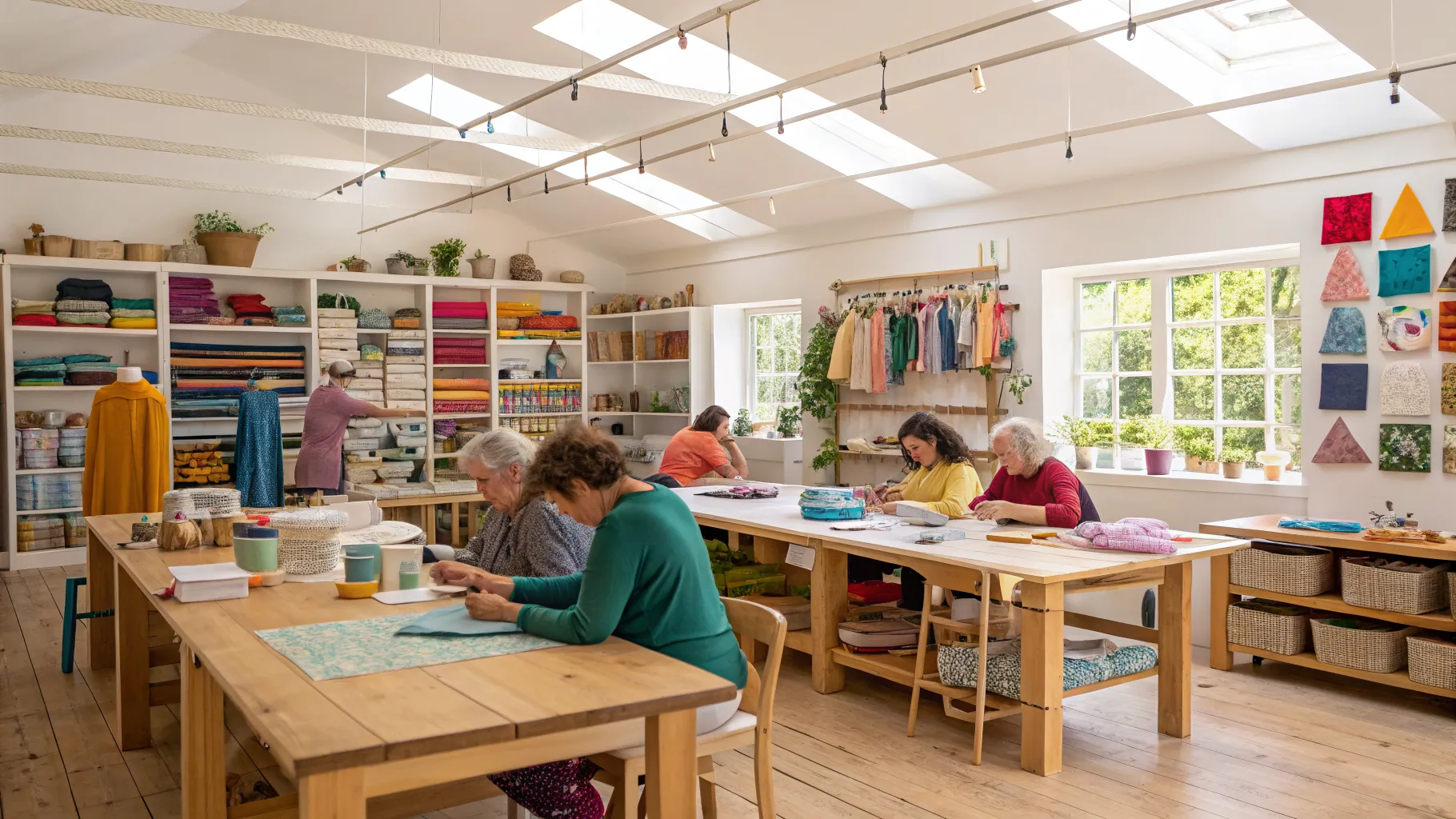
The reasons for joining a class are as varied as the crafts themselves. For many, it's about learning a practical skill. Knowing how to sew can save you money on alterations and repairs, while other crafts can lead to creating unique home decor or personal accessories. These workshops provide access to expert instruction, allowing you to learn proper techniques from the very beginning and avoid common pitfalls.
Beyond the practical benefits, these classes offer a wonderful opportunity for social interaction and mental wellness. Working with your hands can be a meditative experience, reducing stress and improving focus. It's also a great way to meet new people who share your interests, fostering a sense of community and providing a dedicated time to step away from daily pressures and engage in something purely for enjoyment.
Types of Sewing Classes Available
The world of sewing is vast, and classes are often tailored to different skill levels and interests. Beginner courses typically start with the basics, such as how to use a sewing machine, understand patterns, and complete a simple project like a tote bag or pillowcase. These introductory classes build a strong foundation for future sewing endeavors.
Once you've mastered the fundamentals, you can move on to more specialized workshops. These might include:
- Garment Making: Learn to create your own clothing, from simple skirts and tops to more complex tailored jackets.
- Quilting: Discover the art of piecing fabric together to create beautiful and functional quilts.
- Home Decor: Focus on projects for the home, such as making curtains, cushions, or custom upholstery.
- Bag Making: Dive into the specifics of constructing durable and stylish bags with various types of hardware.
Exploring the Wider World of Craft Workshops
If sewing isn't your primary interest, the world of craft workshops has plenty of other options to explore. These classes allow you to experiment with different materials and techniques under the guidance of an experienced artisan. You can find workshops that last for a few hours, a full day, or even span several weeks, depending on the complexity of the craft.
Popular craft workshops often include pottery and ceramics, where you can learn to throw on a wheel or hand-build clay creations. Other common choices are knitting, crochet, jewelry making, candle making, and printmaking. These classes provide all the necessary tools and materials, making it easy to try something new without a significant upfront investment in supplies.
Where to Find Local Classes
Finding a class near you is often easier than you might think. A great place to start is your local fabric or craft supply store, as they frequently host their own workshops or have information about local instructors. Community centers and local colleges are also excellent resources, often providing affordable classes on a wide range of subjects for adults.
You can also search online for private studios or artists in your area who offer lessons. Social media platforms and online event websites can be useful for discovering pop-up workshops and special events. Don't forget to check online learning platforms, which offer virtual classes you can take from the comfort of your own home, providing flexibility for busy schedules.
What to Expect in Your First Class
Your first class should be a welcoming and encouraging experience. Typically, the instructor will begin with introductions and an overview of what you'll be learning. For a beginner class, all necessary tools and basic materials are often provided, though you may be asked to purchase specific fabric for your project.
Class sizes are usually kept small to ensure everyone gets individual attention. The instructor will guide you step-by-step through the project, demonstrating techniques and helping you troubleshoot any issues. The goal is not perfection but learning and enjoyment, so feel free to ask questions and work at your own pace. By the end of the session, you'll usually leave with a finished or nearly finished project and the confidence to continue practicing.
Choosing the Right Class for You
To get the most out of your experience, it's important to select a class that aligns with your goals and learning style. First, be realistic about your current skill level and choose a class designated for beginners if you're just starting out. Consider your interests as well; picking a project you're genuinely excited about will make the learning process more enjoyable.
Look into the class logistics, such as the schedule, location, and cost. Read reviews or ask for recommendations to get a sense of the instructor's teaching style and the overall atmosphere of the workshop. A good instructor is not only skilled in their craft but is also patient and passionate about sharing their knowledge with others.