A Guide to Flower Arrangement Classes for Over 60s
Engaging in creative hobbies is a wonderful way to stay active, social, and inspired. Flower arranging, in particular, offers a unique blend of artistry and nature that appeals to many. For those over 60, joining a floral design class can be a fulfilling experience that provides much more than just a beautiful bouquet to take home.
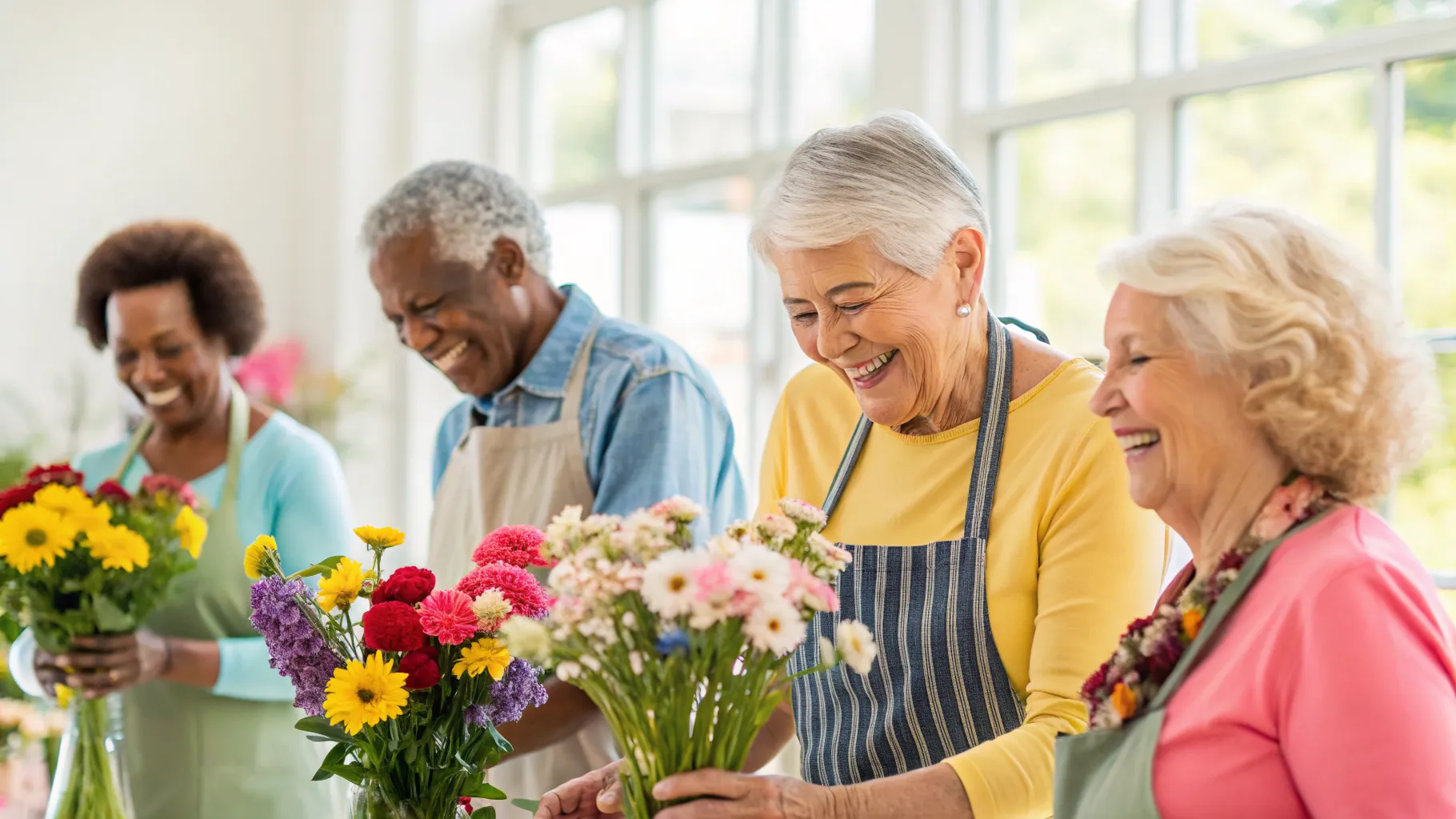
The Many Benefits of Floral Design for Seniors
Participating in a flower arrangement class offers a surprising number of benefits that extend beyond simply learning a new skill. The hands-on nature of floral design helps maintain and improve fine motor skills and hand-eye coordination. The process of selecting flowers, trimming stems, and carefully placing each element requires focus and concentration, providing gentle cognitive stimulation that can help keep the mind sharp.
Beyond the physical and mental aspects, these classes provide significant social and emotional rewards. Workshops are a great way to meet new people with shared interests, fostering a sense of community and combating feelings of isolation. The creative process itself is known to be a powerful stress reducer, and the satisfaction of creating something beautiful provides a wonderful sense of accomplishment and a boost to self-esteem.
What to Expect in a Beginner's Class
If you're new to floral design, you might wonder what a typical beginner's class involves. Most workshops are designed to be welcoming and accessible to all skill levels, with no prior experience required. You can expect a relaxed and friendly atmosphere where the instructor guides you step-by-step through the creation of a specific arrangement. All necessary materials, including a variety of fresh flowers, greenery, a vase or container, and floral tools like clippers and foam, are usually provided as part of the class fee.
During the session, you will learn the fundamental principles of flower arranging. This often includes how to properly select and condition flowers to maximize their lifespan, basic color theory to create harmonious palettes, and principles of design such as balance, proportion, and texture. You will leave not only with a beautiful arrangement you made yourself but also with the foundational knowledge to continue creating at home.
Types of Flower Arrangement Classes Available
The world of floral design is diverse, and the types of classes available often reflect this variety. While many workshops cover general arrangement techniques, you can also find specialized classes that focus on particular styles, seasons, or flowers. Exploring these options can help you discover a niche that truly sparks your interest.
- Seasonal Workshops: These popular classes focus on creating arrangements tied to a specific time of year, such as festive holiday centerpieces, spring bulb bouquets, or autumnal arrangements featuring rich colors and textures.
- Style-Specific Classes: You can find workshops dedicated to teaching a particular design aesthetic, from the minimalist and disciplined art of Japanese Ikebana to lush, romantic European-style arrangements.
- Flower-Focused Sessions: Some classes center on working with a single type of flower, like roses, orchids, or tulips. This allows for a deep dive into the unique characteristics and handling requirements of that specific bloom.
- Technique-Based Classes: These workshops concentrate on a specific skill, such as creating hand-tied bouquets, mastering wiring techniques for corsages, or designing large-scale arrangements.
How to Find a Class Near You
Finding a flower arrangement class in your area is often easier than you might think. A great starting point is to check with local community centers or senior centers, as they frequently offer a variety of creative arts programs tailored for older adults. These are often affordable and provide a comfortable, familiar environment for learning.
You can also inquire at local florists, as many professional floral designers host workshops to share their expertise. Botanical gardens and arboretums are another excellent resource, often running classes that incorporate blooms from their own collections. Finally, check the websites for your city's parks and recreation department or local adult continuing education programs, which typically list a wide range of hobby and enrichment courses.
Considering Online vs. In-Person Workshops
In today's digital world, you have the choice between learning in a physical classroom or from the comfort of your own home. In-person classes offer the distinct advantage of hands-on, immediate feedback from an instructor. They also provide a valuable social component, allowing you to interact with fellow students and share the creative experience in a group setting.
On the other hand, online floral design classes offer unparalleled flexibility and convenience. You can learn at your own pace and re-watch lessons as needed. This can be an excellent option for those with mobility challenges or who live in areas with limited local offerings. The main consideration for online classes is that you will typically need to source your own flowers and materials, though some providers offer kits that can be shipped to you.
What to Look for in a Quality Workshop
To ensure you have the best possible experience, it's wise to do a little research before signing up for a class. Look into the instructor's background and experience; a seasoned florist or a certified design teacher will likely provide more in-depth instruction. Consider the class size, as smaller groups generally allow for more personalized attention from the instructor.
Be sure to clarify what is included in the registration fee. A quality workshop will typically provide all flowers, foliage, containers, and tools needed for the project. If possible, look for reviews or testimonials from past students to get a sense of the teaching style and overall class atmosphere. Choosing a reputable and well-organized workshop will help guarantee a positive and rewarding creative adventure.